What does a UX or Product Designer do?
Beyond screens: framing problems and making trade-offs.
A Product Designer goes by various titles. You might be familiar with designations such as:
- Experience Designer (XD)
- Information Architect (IA)
- Interaction Designer (IX)
- Experience Architect (XA)
- User Interface (UI) Designer
- User Experience (UX) Designer
- And several others.
For business owners seeking to enhance their user experiences and drive customer satisfaction, understanding the pivotal role of a UX/Product Designer matters.
1. Crafting Smooth User Experiences
At its core, a UX/Product Designer is dedicated to creating smooth and enjoyable user experiences. This involves a deep understanding of the target audience, their behaviors, and the intricacies of how they interact with digital products and services. These designers aim to reduce friction, improve satisfaction, and drive positive brand engagement by optimizing the user path.
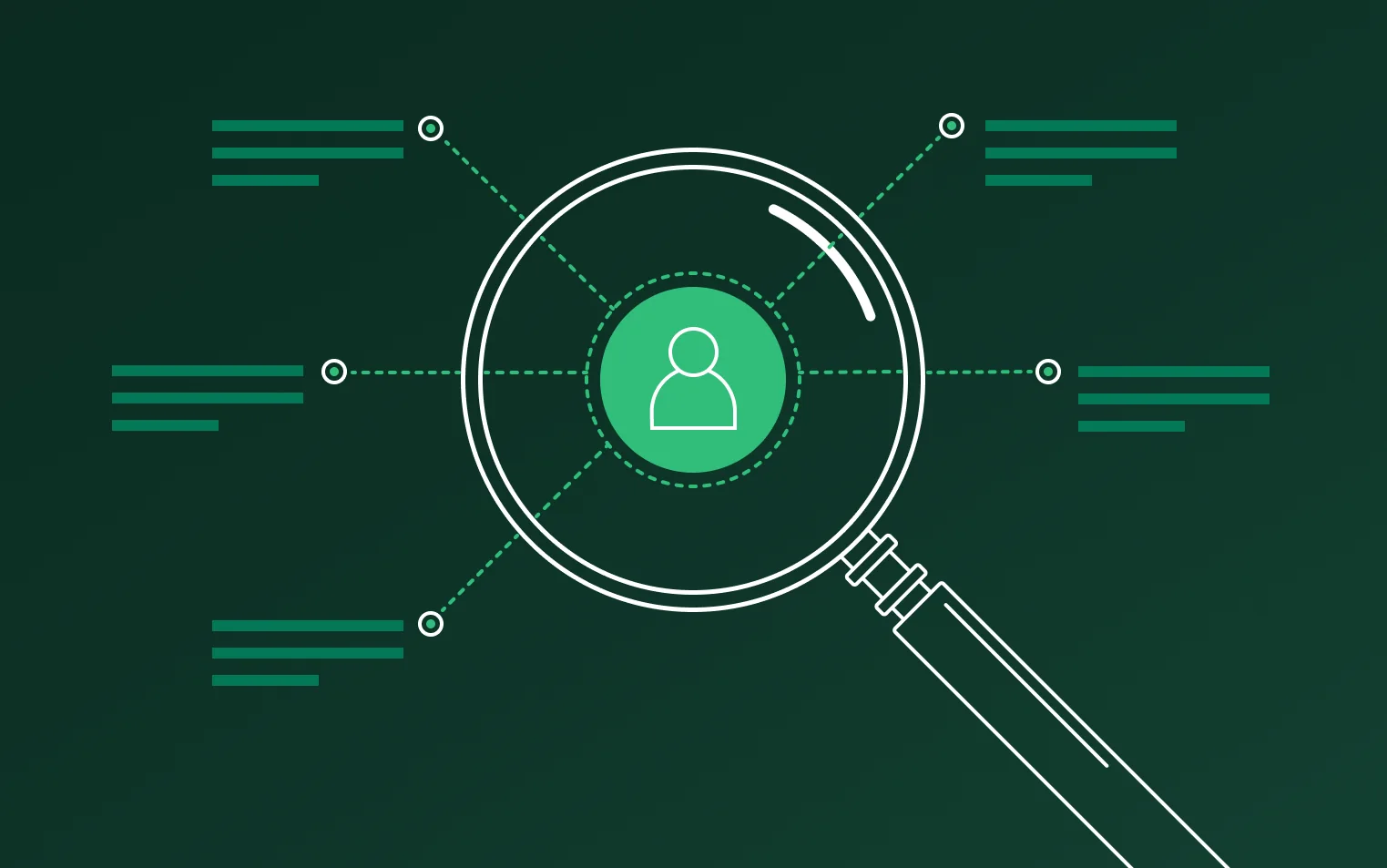
Creating User Experience. Original image: Toptal.com
2. Boosting Conversion Rates
Conversion rates are the lifeblood of online businesses. A skilled UX/Product Designer matters in optimizing user paths and reducing barriers that might hinder conversions. This includes streamlining sign-up processes, testing various calls to action, and simplifying forms. The goal is to make the user experience so intuitive and enjoyable that visitors cleanly transition into customers.
3. Cost-Effective Development
Early-stage UX/Product Design is not just about aesthetics; it’s a strategic move to prevent costly mistakes. Businesses can avoid costly overhauls by addressing design flaws and challenges initially. A case in point is the significant cost difference between integrating UX design from the start versus rectifying issues on the verge of a product launch.
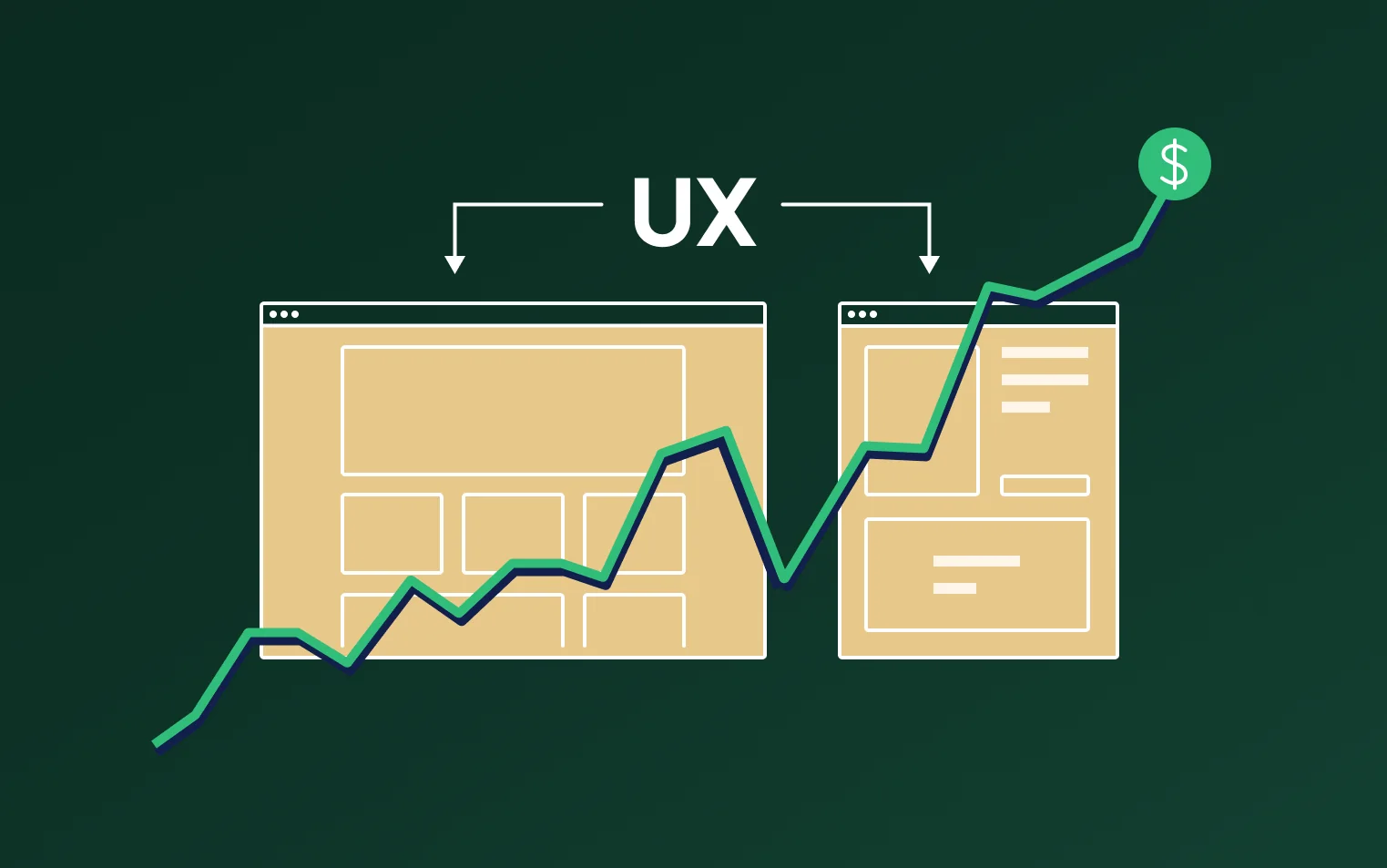
Save Money Hiring a UX Designer. Original image: Toptal.com
4. Accessibility and Inclusivity
In an era of diversity, accessibility, and inclusivity are not just ethical considerations but business imperatives. A UX/Product Designer ensures that digital products cater to users of all abilities, backgrounds, and age groups. This involves adhering to legal regulations and creating interfaces that are universally accessible, contributing to a broader market reach and enhanced brand reputation.
5. Competitive Advantage
Standing out in a competitive market requires more than functional products. A UX/Product Designer becomes a catalyst for differentiation by creating superior user experiences. Whether it’s an intuitive ordering process, personalized recommendations, or real-time tracking, businesses focusing on UX design gain a substantial competitive advantage, leading to increased user retention and positive reviews.

Get a Competitive Advantage by Working with a Product Designer. Original image: Toptal.com
How to Hire a UX or Product Designer
Evaluate Portfolios
Look for designers with a diverse portfolio showcasing a range of projects and industries. A strong portfolio indicates problem-solving abilities and a track record of successful projects.
Understand the Design Process
Inquire about their approach to the UX design process. A competent designer should be well-versed in user research, information architecture, wireframing, prototyping, and user testing.
Collaboration and Communication Skills
Effective collaboration is key to successful UX design. A designer should be able to communicate ideas clearly, work well with cross-functional teams, and align design decisions with business goals.
Stay Updated
The digital landscape evolves rapidly. A proactive UX/Product Designer stays informed about emerging trends, technologies, and user expectations, ensuring your business remains ahead of the curve.

Invest in the Hiring Process. Original image: Toptal.com
Conclusion
For business owners aiming to thrive in digital products, investing in a skilled UX/Product Designer is not just a prudent choice; it’s a strategic imperative. The impact of superior user experiences extends beyond immediate customer satisfaction, creating a foundation for sustained growth, competitive advantage, and long-term success.
Product Design Consultancy at Olively
Feel free to contact us if you need further guidance on integrating UX design cleanly into your business strategy. At Olively, I work with teams on decisions like this one.
For more insights and updates, follow me here and on my personal LinkedIn page. Stay tuned for the latest trends and strategies to propel your business to new heights in the digital landscape.
If you're weighing a decision like this on a live product, here's more about me.
Common questions
What does a product designer actually do?
Frames the problem, makes trade-offs, and decides what does not get built. The screens are the visible output; the decisions upstream of them are the job.
How do you evaluate a designer's portfolio?
Look for the reasoning rather than the artefacts. A portfolio that shows what was rejected and why tells you more than one showing only the finished interface.
Lifting AI adoption without retraining the model — framing the problem as distance to the answer rather than the answer itself.