About
I tell you which AI ideas are real.
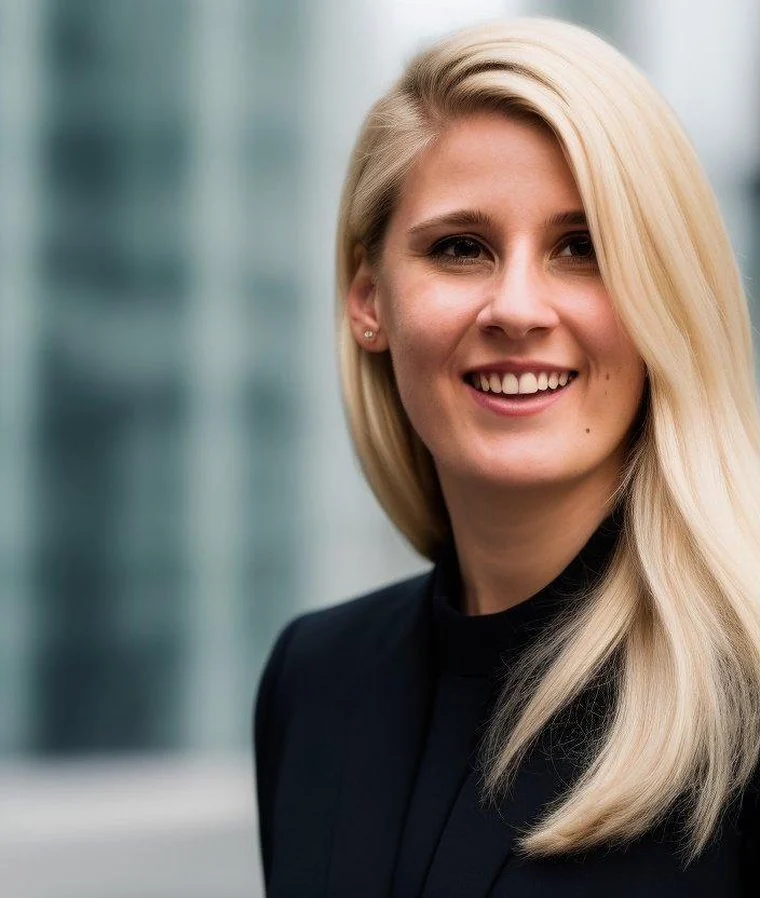
Twelve years shipping product in fintech, SaaS and regulated enterprise. I assess AI roadmaps, name what's theatre, and build the parts that survive. You work with me directly — there's no team to be handed to.
Twelve years across
- Deloitte
- ExxonMobil
- Novo Nordisk
- AltaML
- Cence
The short version
I came to AI through product, not machine learning.
If you have a list of AI ideas, a board asking what your AI strategy is, and no defensible way to rank them — that's the problem I'm useful for.
That matters more than it sounds. The questions that kill most AI projects are product questions — who will use this, where will they be standing when they do, and would a rules engine have done it better. I was asking those for a decade before anyone needed an AI strategy.
I've worked with Deloitte, ExxonMobil, Novo Nordisk and AltaML, and inside a large regulated European enterprise, across enterprise ITSM, fintech, legal tech and health. The through-line isn't an industry. It's getting handed a brief and asked whether it's the right one.
Where this comes from
I grew up taking things apart to find out what was actually wrong.
A lot of my childhood was spent at a table with my grandfather, pulling something broken to pieces, working out what had gone wrong, putting it back together and watching it run again. The fixing was satisfying. The part I actually liked was earlier than that — the bit where you work out what the problem is.
I was also the kid who watched Apple keynotes. Less about the products than the evidence that someone had thought hard about a human problem before building anything.
That's still the job. A brief arrives describing a solution. I take it apart to find the problem underneath, because those two things are often not the same — and the gap between them is where quarters get lost.
It's why I'd rather kill a bad idea in week one than let it eat a quarter. Not out of caution. Because the interesting work is on the other side of getting the problem right, and you can't reach it while you're building the wrong thing.
Receipts
Shipped, assessed, and defended in front of people paid to object.
AI proposals assessed inside a regulated European enterprise
Forty use cases went through the framework and a number of them came out classified as not genuinely AI. It held up in front of security review, legal and a works council.
Users in under six months on a fintech platform
A utility brief redirected into a discovery product, then built and shipped on the original timeline. It reached 24,000 users in under six months.
Follow-on work from the Jurisage engagement, with AltaML
A working AI classifier moved into the workflow researchers already had, instead of asking them to come to it. The engagement led to more than $1M of follow-on work.
All three started with someone handing me a brief and asking whether it was the right one.
Several projects, several years, consistently good judgment. I send people to Fanni when they need someone who'll tell them the truth about what they're building.
The honest bit
When you should hire someone else.
Work with me when
- You have a list of AI ideas and no defensible way to compare them
- You need someone senior who will say no, and mean it
- The governance conversation is coming and nobody owns it
- You want the person who assesses it to be the person who builds it
Hire a firm instead when
- You need a team of ten on site from Monday
- The work is mainly ML research rather than product decisions
- Procurement requires a supplier with bench depth and cover
- You want a brand name on the deck more than the answer in it
You get seniority on the work rather than on the sales call, a shorter contract, and one person carrying the whole problem. What you don't get is bench depth. If a project needs more hands than I have, I'll say so before we start rather than after.
How I work
Three rules I don't bend.
Fixed scope before fixed opinions
Every engagement starts with a defined deliverable and a price attached. The Reality Check is one week, €1,500–3,500. You know what you're getting before you commit.
Reasoning written beside every judgement
A score you can audit survives a sceptical stakeholder. A score you can't is an opinion with a number attached. Everything I hand over is written so someone outside the project can follow how I got there — and argue with it.
I don't do the legal work
I feed the product and technical assessment into your governance and legal process. I'm careful about that boundary and I say so in the room.
Practical
The things procurement asks.
- Contracting
- Happy to sign your NDA before the first call.
- Invoicing
- From an EU entity, reverse-charge VAT where applicable.
- Working with
- Startups shipping a first AI feature, and enterprises running AI across an organisation.
- References
- Available on request, from named clients.
Questions
What people ask before booking.
Who is Fanni Csincsák?
An independent AI product consultant based in Budapest, working remotely across the EU, UK and worldwide. Twelve years shipping product in fintech, SaaS and regulated enterprise, including AI governance work inside a regulated European enterprise, and product roles touching Deloitte, ExxonMobil, Novo Nordisk and AltaML.
What does an AI product consultant actually do?
Decides which AI ideas are worth building before the budget commits, then builds the ones that are. It is a product job rather than a machine-learning job: the questions that kill most AI projects are about users, workflows and whether a rules engine would have done it better.
Is one person enough for enterprise work?
For assessment and product direction, yes — that is exactly where a single senior operator beats a team, because the judgement stays in one head. For delivery at scale it depends on the build. If a project needs more hands than I have, I say so before we start rather than after.
How do engagements start?
With a 20-minute call, no charge and no pitch. If it fits, the usual first step is an AI Reality Check — one week, fixed scope, €1,500–3,500. I am happy to sign an NDA before that first call.
Your turn
What's on your roadmap that nobody's willing to question?
Twenty minutes, no pitch. Bring the list.