What is User Experience (UX)?
A plain definition, and why the distinction matters.

Opening up Success: The 7 Essential Factors of User Experience (UX)
User Experience (UX) is the backbone of any successful digital product. Whether it's a website, mobile app, or software solution, the way users interact with and perceive your product can make or break its success. In UX, there are seven fundamental factors that designers and businesses must prioritize to ensure a stellar user experience.
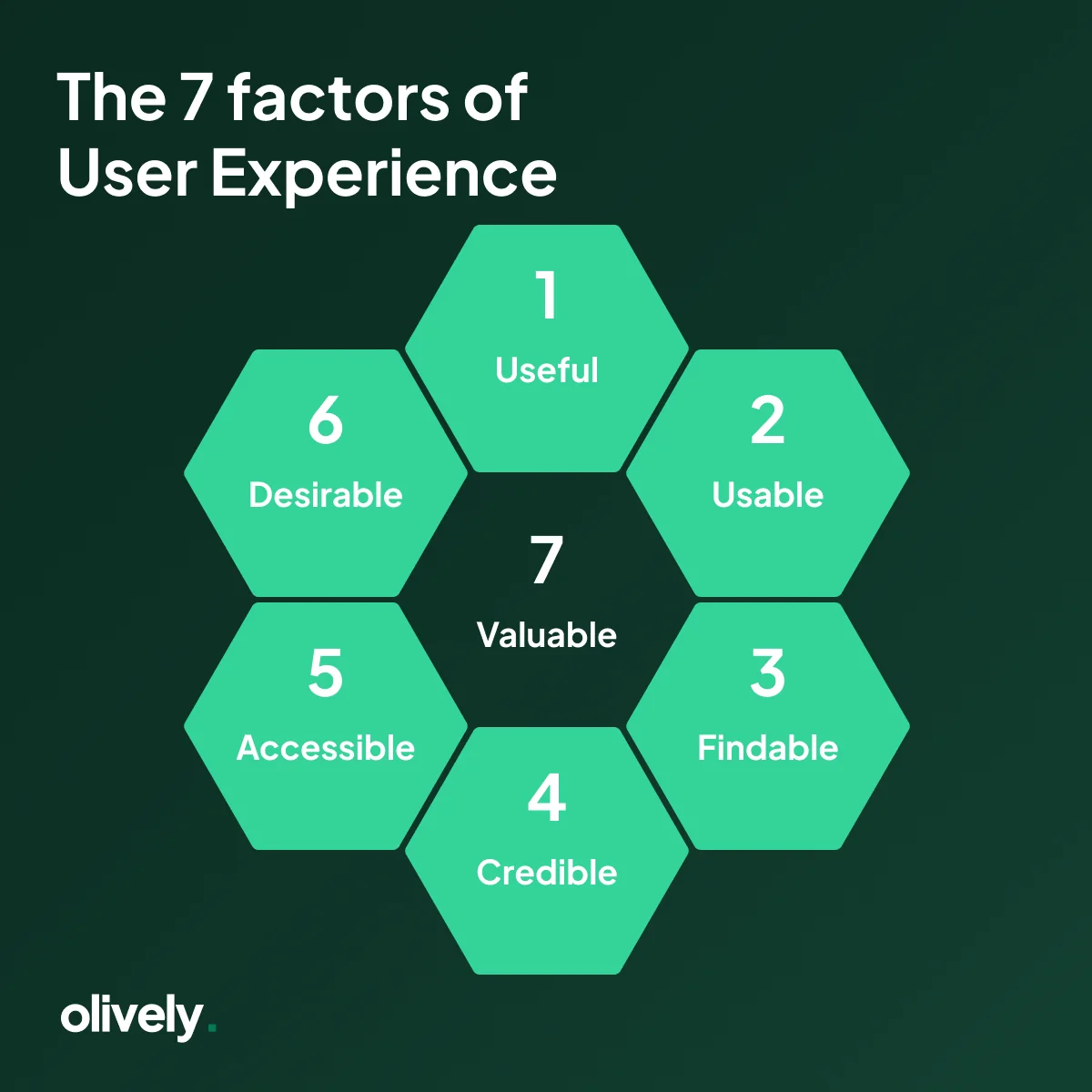
Image of the 7 factors of user experience
1. Useful
At the core of UX is the concept of usefulness. A product's ability to serve a purpose for its target customers, ensuring it meets their needs and provides value. It must have a clear reason for existence to compete effectively in the market. For example, language learning apps like Duolingo are considered useful as they serve the purpose of teaching new languages effectively and engagingly.

Image of the Duolingo App. Source: Index.hu
2. Usable
Usability is the gateway to user satisfaction. The effectiveness and efficiency with which users can achieve their objectives when interacting with a product. A high level of usability enhances competitive advantage and user satisfaction. Take, for instance, the usability of Google's search engine – it allows users to find information quickly and efficiently, contributing to its widespread success.
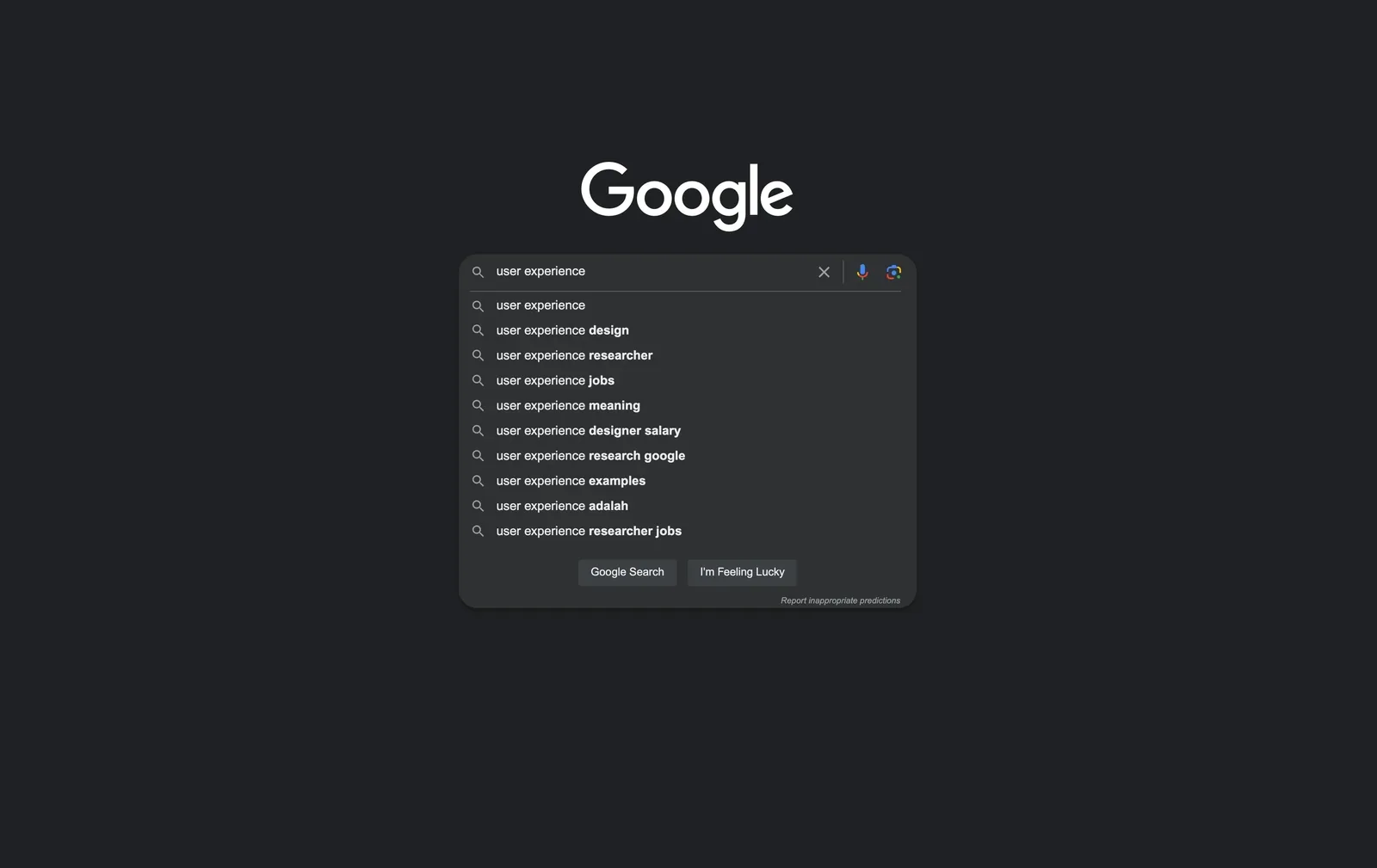
Image of Google Search. Source: Google
3. Findable
Imagine having a fantastic product, but users can't find what they need. Findability is about making your product and its content easily discoverable. Products should be user-friendly, allowing individuals to find information and accomplish tasks effortlessly. An example is Amazon's website, where products are categorized logically, and a robust search feature aids users in finding specific items quickly.
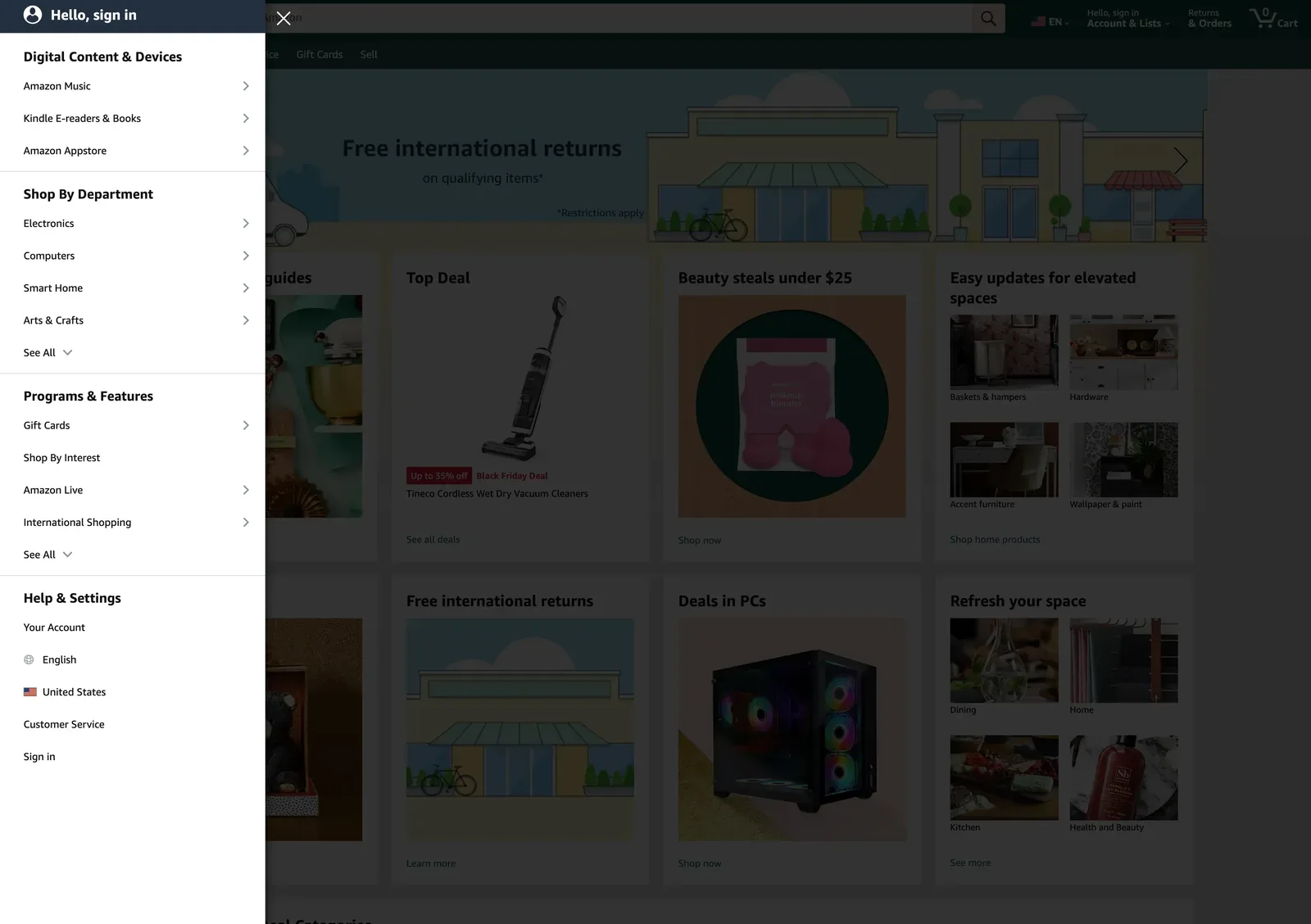
Image of Amazon categories. Source: Amazon.com
4. Credible
Trust is the bedrock of user experience. The trustworthiness of a product, ensuring it lives up to its promises. Credibility matters for maintaining user trust and loyalty, as seen in the example of Facebook losing credibility due to privacy issues. Conversely, health apps providing accurate medical information, backed by reputable sources, instill confidence in users, enhancing credibility.

Facebook–Cambridge Analytica data scandal. Source: Ink.com
5. Accessible
Accessibility ensures that your product can be used by individuals with diverse abilities. Prioritize inclusivity in design, considering users with disabilities. An example is a website with alt text for images, ensuring visually impaired users can understand the content through screen readers. Microsoft's commitment to accessibility in its products, such as inclusive design in Microsoft Office, exemplifies this factor.
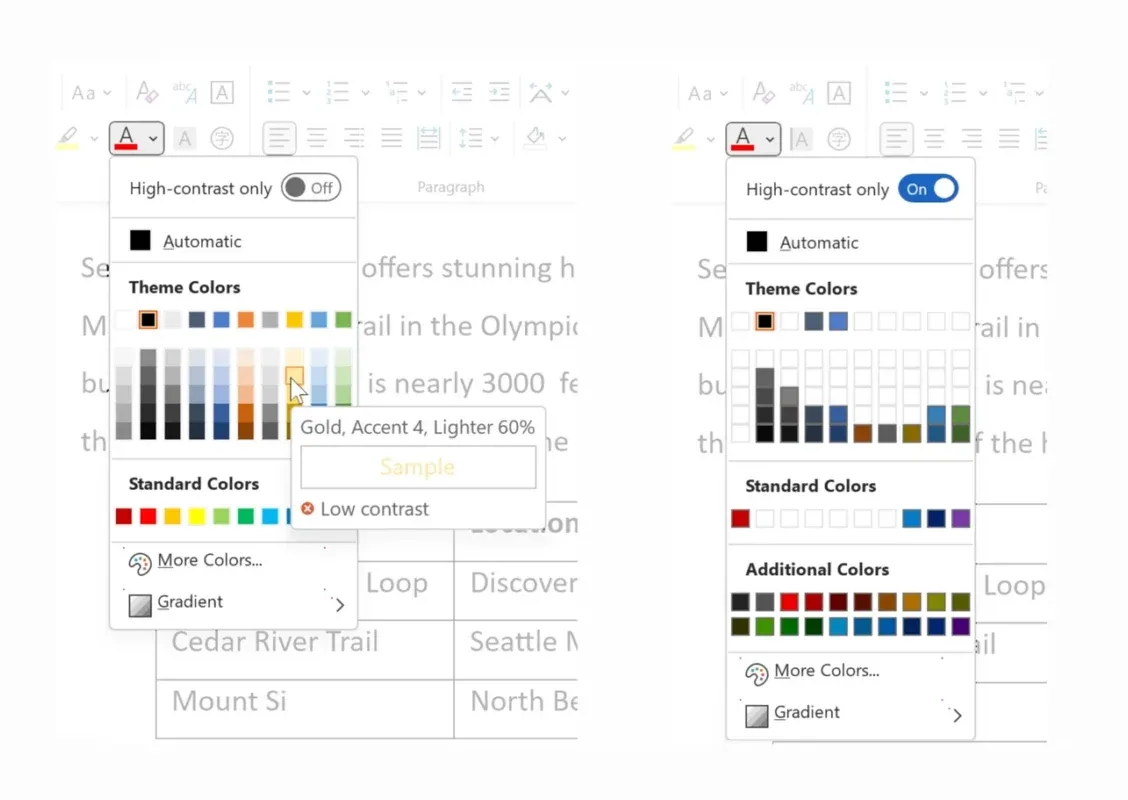
Image of Microsoft Word's contrast checker. Source: Microsoft.com
6. Desirable
Beyond functionality, aesthetics matter. A desirable product captivates users with its visual appeal, branding, and emotional design. Consider a social media platform that not only offers smooth navigation but also incorporates visually appealing graphics, making users enjoy the overall experience. Apple's products, known for their sleek design and aesthetic appeal, exemplify desirability.
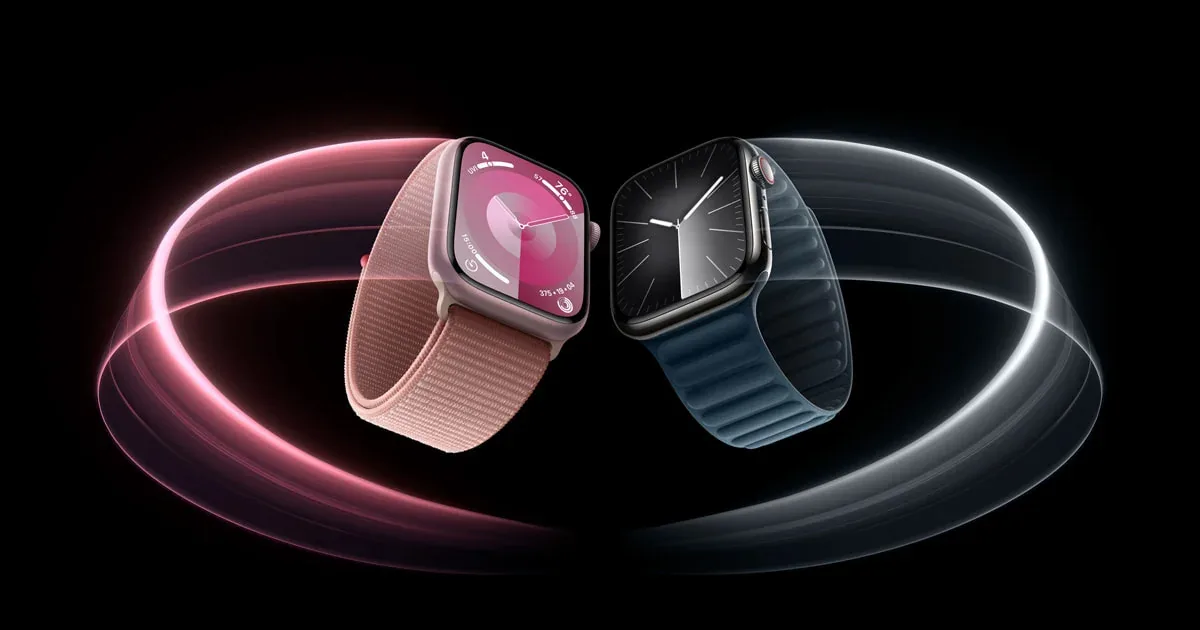
Image of Apple Watch. Source: Apple.com
7. Valuable
The final litmus test of a product's success is its value. Balancing all aspects of UX, the value factor ensures that users not only find your product useful, usable, and credible but also personally meaningful. A language learning app that not only teaches vocabulary but also adapts to individual learning styles adds significant value to users. In the business field, Salesforce's customer relationship management (CRM) software is valuable for businesses, providing a comprehensive solution for managing customer interactions.

Image of Salesforce CRM. Source: Salesforce.com
In conclusion, user experience is a complete approach that goes beyond mere functionality. By prioritizing these seven factors, businesses can create digital products that not only meet user needs but also foster long-term relationships and success.
For expert assistance in crafting an exceptional user experience for your digital products, consider reaching out to us at olively.io.
If you're weighing a decision like this on a live product, here's more about me.
Common questions
What is user experience?
Everything that happens between a person and a product, not only the interface. The interface is where it becomes visible.
What makes an experience good?
Seven factors carry most of it: useful, usable, findable, credible, accessible, desirable and valuable. Failing any one of them is usually enough to lose the user.
Is UX the same as UI?
No. UI is the surface. UX includes the surface, the reasoning behind it, and everything around it that shapes whether the product is worth using.