Why do you need a UX or Product Designer?
Those decisions get made either way. The question is by whom.
The answer for business owners contemplating whether to invest in a UX or product designer is a resounding “yes.” Here’s why.
Enhancing Customer Satisfaction and Loyalty
In a world where customers have myriad choices at their fingertips, providing a smooth and enjoyable experience is paramount. A UX or product designer is equipped with the skills to understand your target audience, identify their needs, and create designs that resonate with them. A positive user experience fosters customer satisfaction and builds brand loyalty.
Driving Business Profitability
Design-focused companies consistently outperform their counterparts. According to McKinsey, businesses prioritizing design bring in 32% more revenue and deliver 56% higher returns to shareholders. This isn’t just about aesthetics; it’s about creating efficient, relevant, and pleasant experiences that keep customers returning. Investing in UX design is an investment in your business’s bottom line.
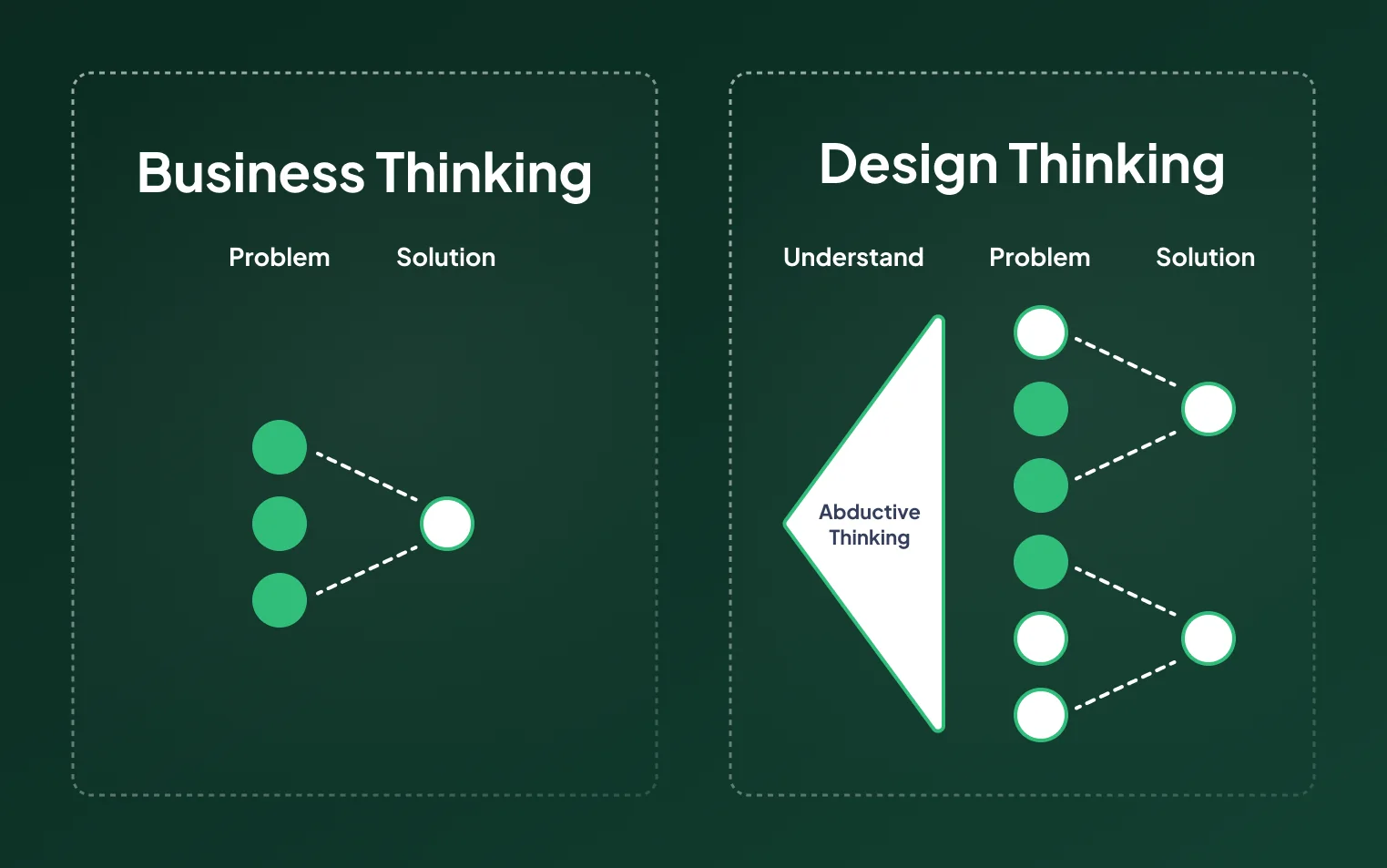
Business Thinking vs Design Thinking. Original image: Medium.com
Mitigating the Risk of Startup Failure
According to Investopedia, startup success is elusive, with 90% of new ventures failing. Research is key to avoiding failure, and a UX designer plays a central role in this phase. By thoroughly understanding the needs of your target demographic and designing a product that aligns with those needs, you significantly increase your chances of success.
Streamlining Development Processes
UX and product designers work collaboratively with development teams, ensuring that the end product looks good and functions cleanly. Their involvement in the early stages of product development can prevent costly redesigns and iterations later, saving time and resources.
Aligning Business Goals with User Needs
A UX or product designer acts as a bridge between your business goals and the needs of your users. They formulate an experience strategy that aligns with your overarching objectives while creating designs that cater to the user’s perspective. This harmony between business and user goals is essential for sustained success.
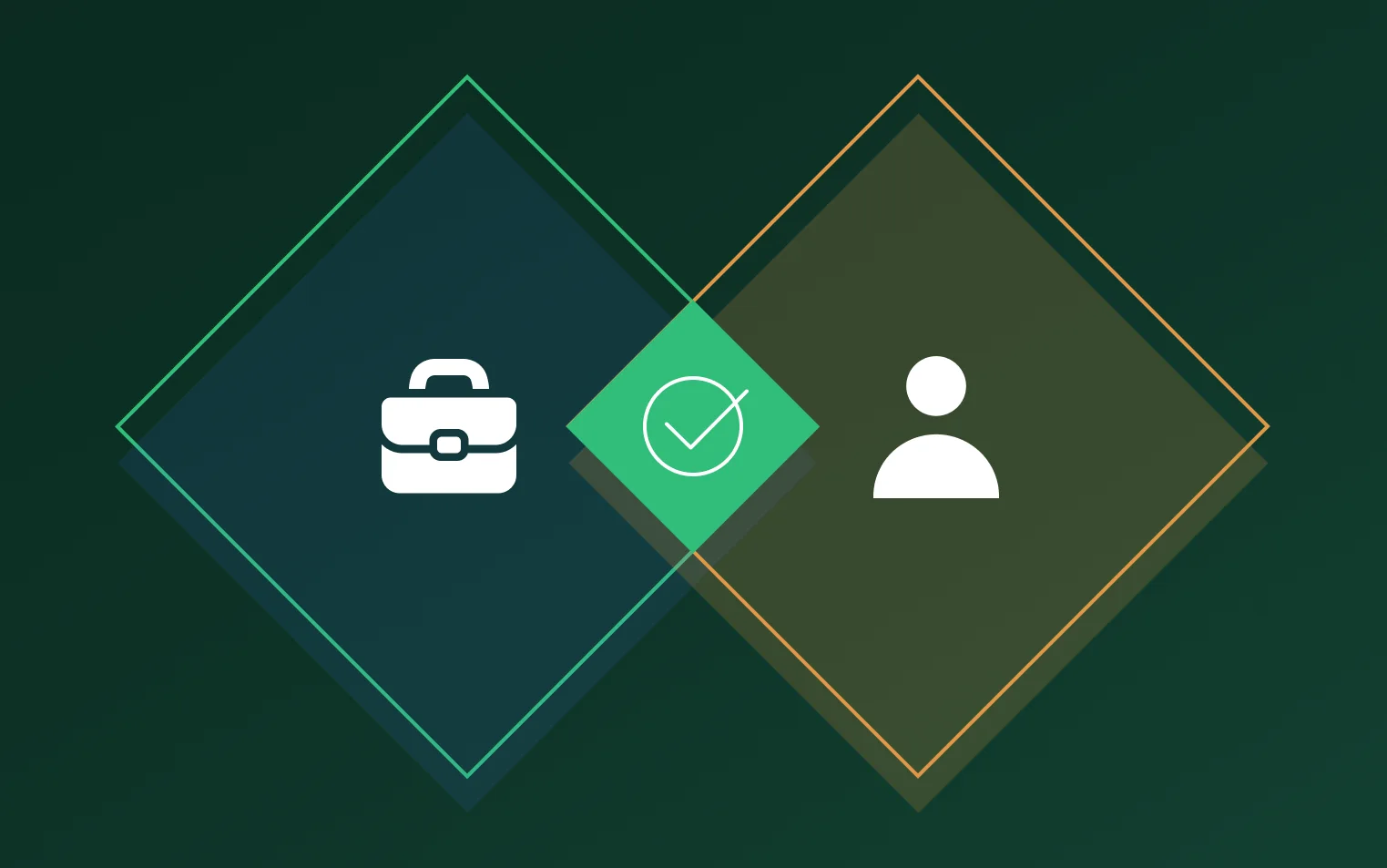
Aligning Business Goals with User Needs. Original image: Toptal.com
Incorporating Design Thinking
Design thinking is a mindset that UX designers bring to the table. It involves finding inspiration, conceptualizing solutions, iterating on ideas, and presenting work in a way that solves real user problems. This approach enhances the product and instills a user-centric mindset within your organization.
Finding the Right Fit for Your Team
When hiring a UX or product designer, finding someone who possesses the necessary skills and fits well within your team structure matters. Soft skills like communication, teamwork, and empathy are as vital as technical expertise. A good designer is a liaison between stakeholders, end-users, and the development team.
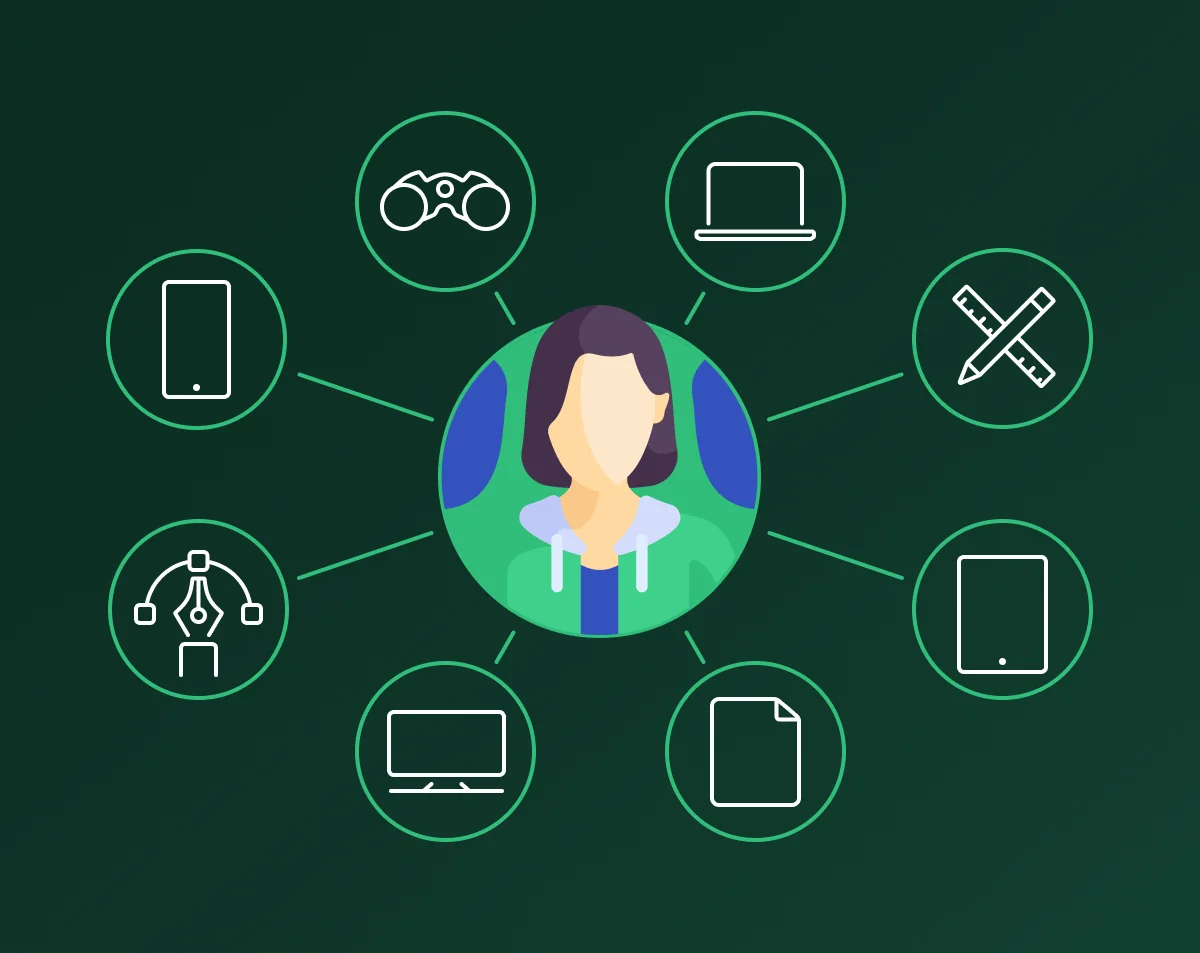
Product Designer Skills. Original image: Toptal.com
Working in the Hiring Process
Finding the right UX designer involves a well-thought-out hiring process. Look for a candidate’s portfolio to gauge their previous work, conduct interviews to assess their soft skills, and consider practical challenges or whiteboard exercises to observe their design process in action. Whether hiring full-time, part-time, or freelance, finding the right UX designer is an investment in your business’s success.
Conclusion
In today’s competitive business landscape, prioritizing user experience and product design is not just a trend; it’s a necessity. A UX or product designer brings unique skills that can improve your business, enhance customer satisfaction, and drive profitability. Investing in a UX designer is not just about creating aesthetically pleasing designs but ensuring your business thrives in the digital age.
Product Design Consultancy at Olively
Feel free to contact us if you need further guidance on integrating UX design into your business strategy. I work with teams on decisions like this one.
For more insights and updates, follow me here and on my Linkedin page.
Your success in the competitive market hinges on the experiences you provide to your customers. Make that experience exceptional with the expertise of a dedicated UX or product designer.
If you're weighing a decision like this on a live product, here's more about me.
Common questions
Why hire a designer at all?
Because those decisions get made either way. The question is whether someone owns them deliberately or they accumulate by default, and the second is more expensive.
What does a designer change commercially?
Conversion, support load and development rework. The measurable effect is usually in what does not get built rather than in what does.
Lifting AI adoption without retraining the model — a decision about placement that no amount of model improvement would have fixed.