The Pareto Principle in Product Design
A small share of features carries most of the value.

This principle, originally derived from observations in economics, has found deep applications in diverse fields, and its influence on product design is particularly noteworthy.
Defining the Pareto Principle
The Pareto Principle, named after the Italian economist Vilfredo Pareto, is a statistical concept illustrating the uneven distribution of inputs and outputs. It suggests that a minority of efforts often leads to the most results. Whether applied to wealth distribution, software bug fixes, or website optimization, the principle emphasizes the critical few elements that significantly impact the overall outcome.
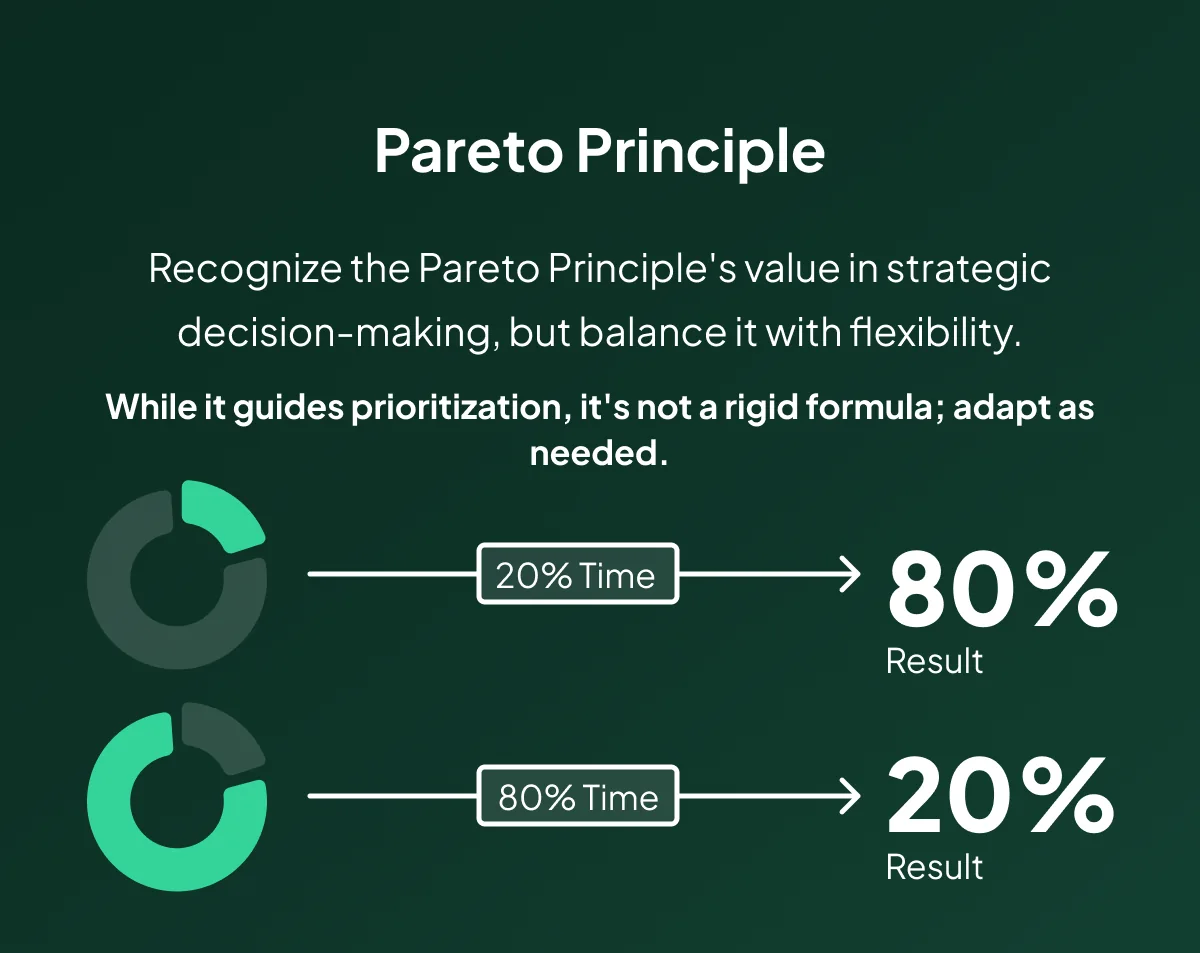
Pareto Principle — Extra Thoughts
Significance in Product Design
Optimizing User Experience
The Pareto Principle offers a strategic approach to product design where the user experience (UX) reigns supreme. While every feature contributes to the product's value, identifying the vital 20% that resonates most with users allows for targeted improvements. Streamlining these core features enhances usability, engagement, and overall satisfaction.
Resource Allocation and Efficiency
Efficiency is a cornerstone of successful design projects. The Pareto Principle guides designers to allocate resources judiciously. By focusing on the most critical features, teams can optimize outcomes with minimal resources. This approach prevents energy from being dispersed on less impactful elements and ensures a concentrated effort on what drives user value.
User-Centric Decision Making
Understanding user behavior is fundamental to effective design. The Pareto Principle directs designers to discern the features or aspects that most matter to users. Prioritizing these elements aligns the design process with user expectations, producing more meaningful and impactful products.

User-Centric Decision Making. Original image: Toptal.com
Striking a Balance
While the 80/20 split is a foundational guideline, it's essential to maintain flexibility. Designers must balance the emphasis on critical features with the complete view of the user path. Over-optimization on a select few aspects may neglect the overall user experience. Striking the right balance ensures sustained success in the dynamic product design landscape.
Extra Thoughts on Implementation
In practice, the Pareto Principle requires adaptability. Designers must recognize that the optimal 20% can shift based on evolving user behaviors and technological advancements. Flexibility in applying the principle ensures that design strategies remain relevant and responsive to dynamic market demands.

Pareto Principle and Product Design Strategy. Original image: Toptal.com
Takeaways in Design Practice
- Focus on Vital Aspects: Concentrate on the key 20% that significantly influences outcomes. This focused approach ensures that improvements yield substantial benefits.
- Efficiency in Resource Allocation: Prioritize tasks based on their impact, allowing optimal resource utilization. This efficiency is especially valuable in projects with tight timelines and budget constraints.
- User-centric Design: Tailor design decisions to align with users' preferences and expectations. This approach enhances user satisfaction and loyalty.
- Avoiding Overemphasis: Prevent over-optimization on minor features that may have limited impact. A balanced approach considers the entire user path.
- Continuous Improvement: While the 80/20 split provides valuable insights, it's not static. Periodic reassessment ensures that design efforts align with evolving user needs and industry trends
Real-World Examples
1. Facebook
The social media giant focuses on key features such as the news feed and user connections, aligning with the Pareto Principle to streamline user experience.

Facebook and Pareto Principle
2. Spotify
Spotify enhances user engagement by prioritizing personalized playlists and music recommendations and concentrating on the core features that resonate with its audience.

Spotify and Pareto Principle
3. Airbnb
Streamlining the booking process and emphasizing user reviews reflects its commitment to enhancing its platform's vital aspects.

Airbnb User Experience
4. WhatsApp
The messaging app keeps its interface simple, emphasizing core messaging functionality over additional features, adhering to the efficiency dictated by the Pareto Principle.

WhatsApp UI
5. McDonald's
By streamlining menus to highlight popular items, McDonald's optimizes service efficiency and caters to the preferences of most of its customers.
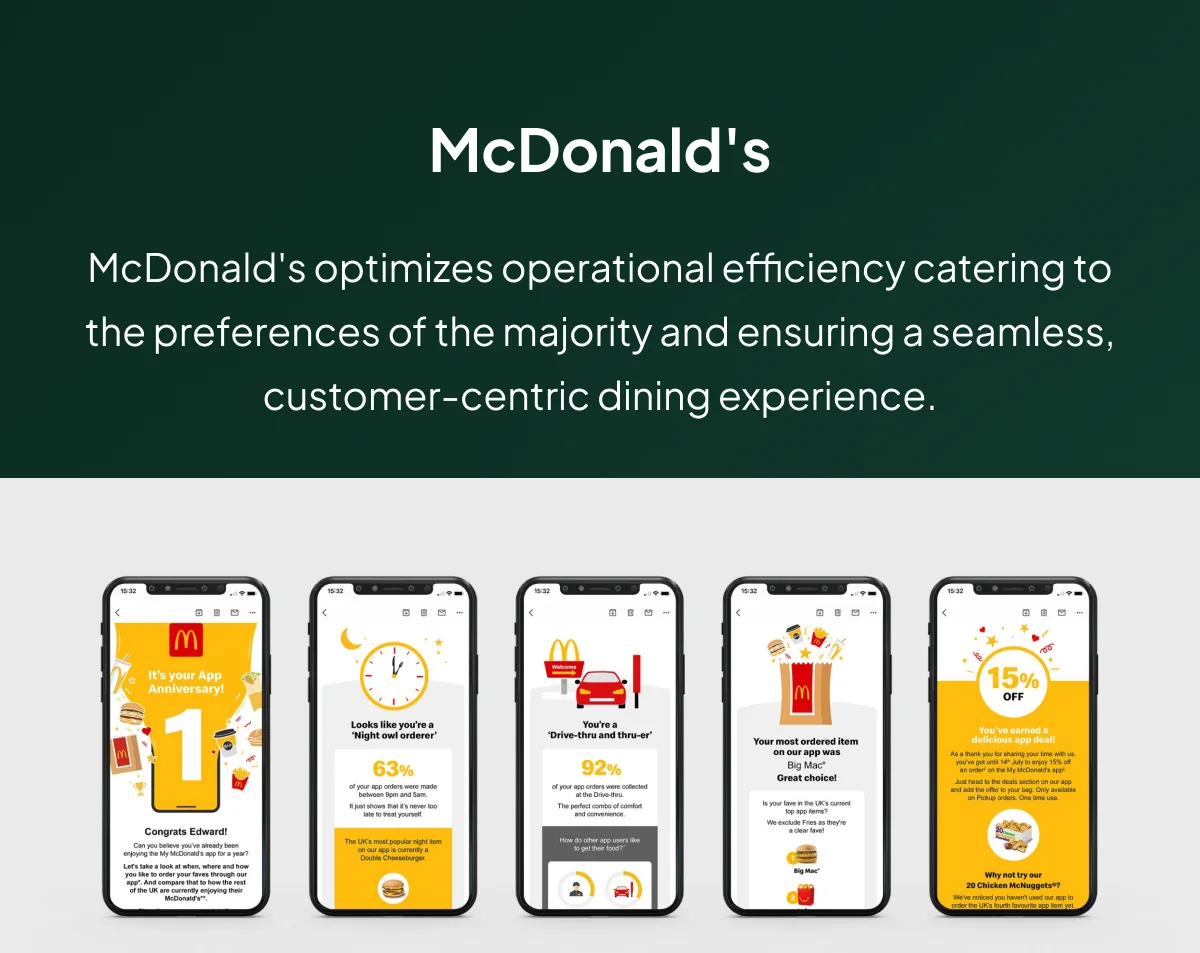
McDonald's Product Design
Pareto Principle in Business and Marketing
Applying the Pareto Principle in business and marketing transcends design. It involves identifying the core aspects that drive the majority of results. By concentrating efforts on the critical 20%, companies can enhance efficiency, allocate resources wisely, and achieve substantial returns on investment. This principle becomes a strategic tool in decision-making processes, guiding businesses to prioritize initiatives that yield the most significant impact.
Conclusion
The Pareto Principle, emphasizing the vital few, serves as a compass for designers working in the complexities of product design. By understanding its applications, embracing flexibility, and continuously reassessing priorities, designers can harness its power to create products that resonate with users and stand the test of time. The Pareto Principle illuminates the path to efficient, user-centric, and impactful design in a world of abundant choices.

Product Design Mentorship at Olively
Feel free to seek personalized guidance on integrating these principles into your design path.I work with teams on decisions like this one.
Stay updated with the latest insights — follow me on my LinkedIn for a continuous dialogue on advancing design excellence and user satisfaction. Your path to impactful design begins with strategic insights and a commitment to the vital few.
If you're weighing a decision like this on a live product, here's how I work with teams.
Part of the UX laws worth knowing — seventeen principles grouped by the decision each one helps you make.
Common questions
What is the Pareto Principle in product design?
Roughly 80% of the value comes from 20% of the features. The work is identifying which fifth, because the answer is rarely the fifth that was most interesting to build.
Should you delete the long tail of features?
Not automatically. The tail is often what a small group depends on entirely, and the cost of the tail is maintenance rather than attention. Measure both before cutting.
How do you find the 20% that matters?
By what people return to rather than what they try once. Usage frequency separates the two better than adoption numbers do.