How to Increase Your Digital Startup's Performance (By Using the Right Management Framework) - Part 1
Part one: picking one that fits how the team already works.

In this article, we’ll look at the essential strategies for enhancing your digital startup’s performance through the judicious choice and implementation of the right management framework.
Understanding the Startup Landscape
Digital startups often operate in an environment of uncertainty and change. They need a management approach that embraces agility, adaptability, and scalability to thrive. Traditional project management methodologies may fall short in such a dynamic setting, making it imperative to explore frameworks specifically designed for the unique challenges startups face.
Exploring Agile Frameworks
Agile methodologies have gained widespread recognition for their ability to foster innovation and responsiveness. The Scrum framework is particularly well-suited for startups among many Agile frameworks. Scrum emphasizes iterative development, collaboration, and quick adaptation to changes in project requirements. By implementing Scrum, startups can streamline their workflows, enhance communication, and accelerate product development cycles.
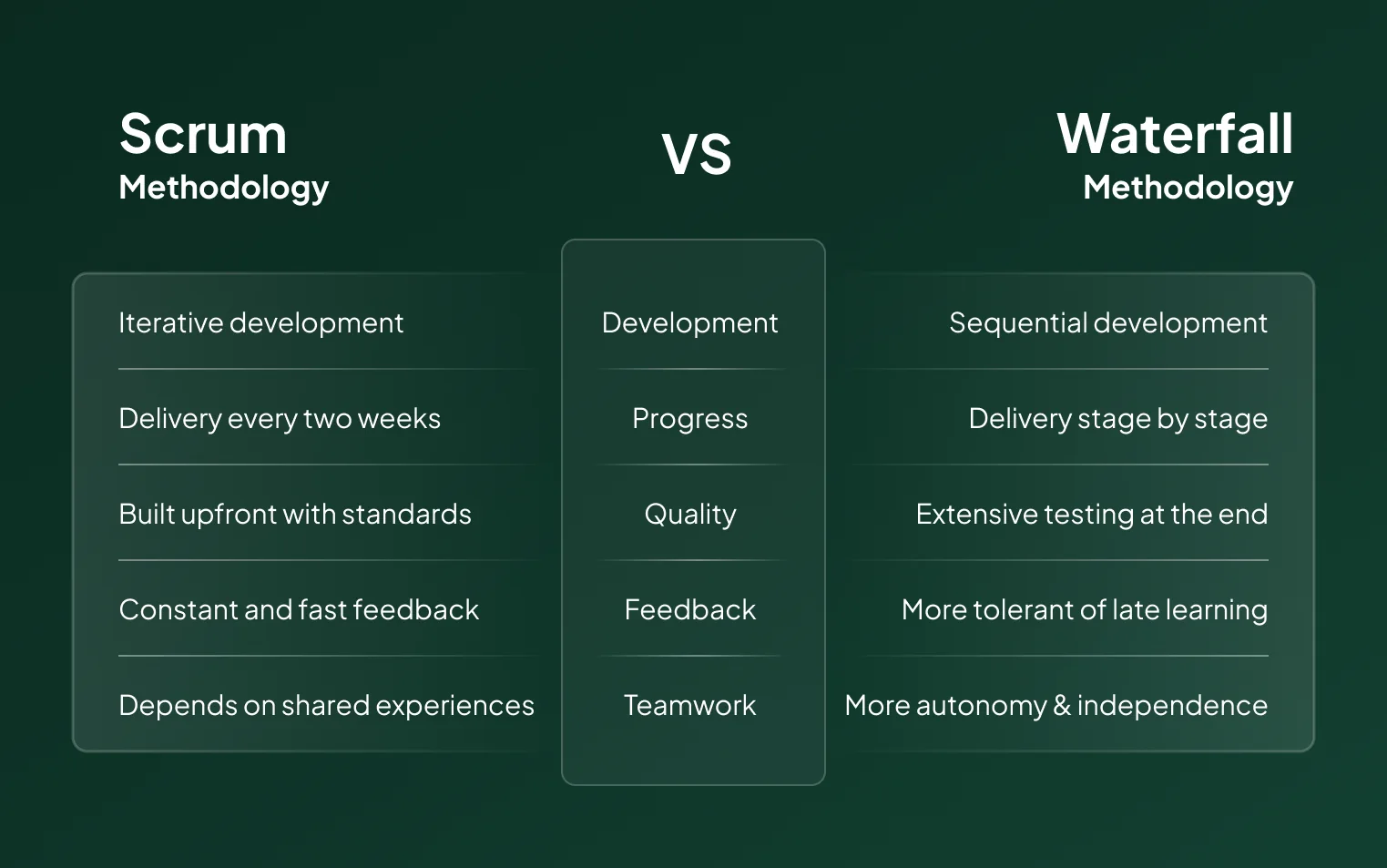
Scrum vs. Waterfall
The Scaled Agile Framework (SAFe)
As startups grow, so do the complexities of managing larger teams and projects. The Scaled Agile Framework (SAFe) offers a structured yet flexible approach to scaling Agile principles to the enterprise level. It provides a comprehensive framework for coordinating multiple Agile teams, ensuring alignment with business objectives, and focusing on delivering value to customers. SAFe’s emphasis on Lean-Agile principles makes it a potent tool for startups aiming to scale their operations without sacrificing agility.
Embracing Lean Thinking
Lean thinking, originating from manufacturing principles, has found its way into project management. Startups can benefit from Lean principles by minimizing waste, optimizing processes, and relentlessly focusing on delivering value. Lean Startup methodology, championed by Eric Ries, encourages startups to adopt a build-measure-learn cycle, enabling rapid experimentation and adaptation based on customer feedback.
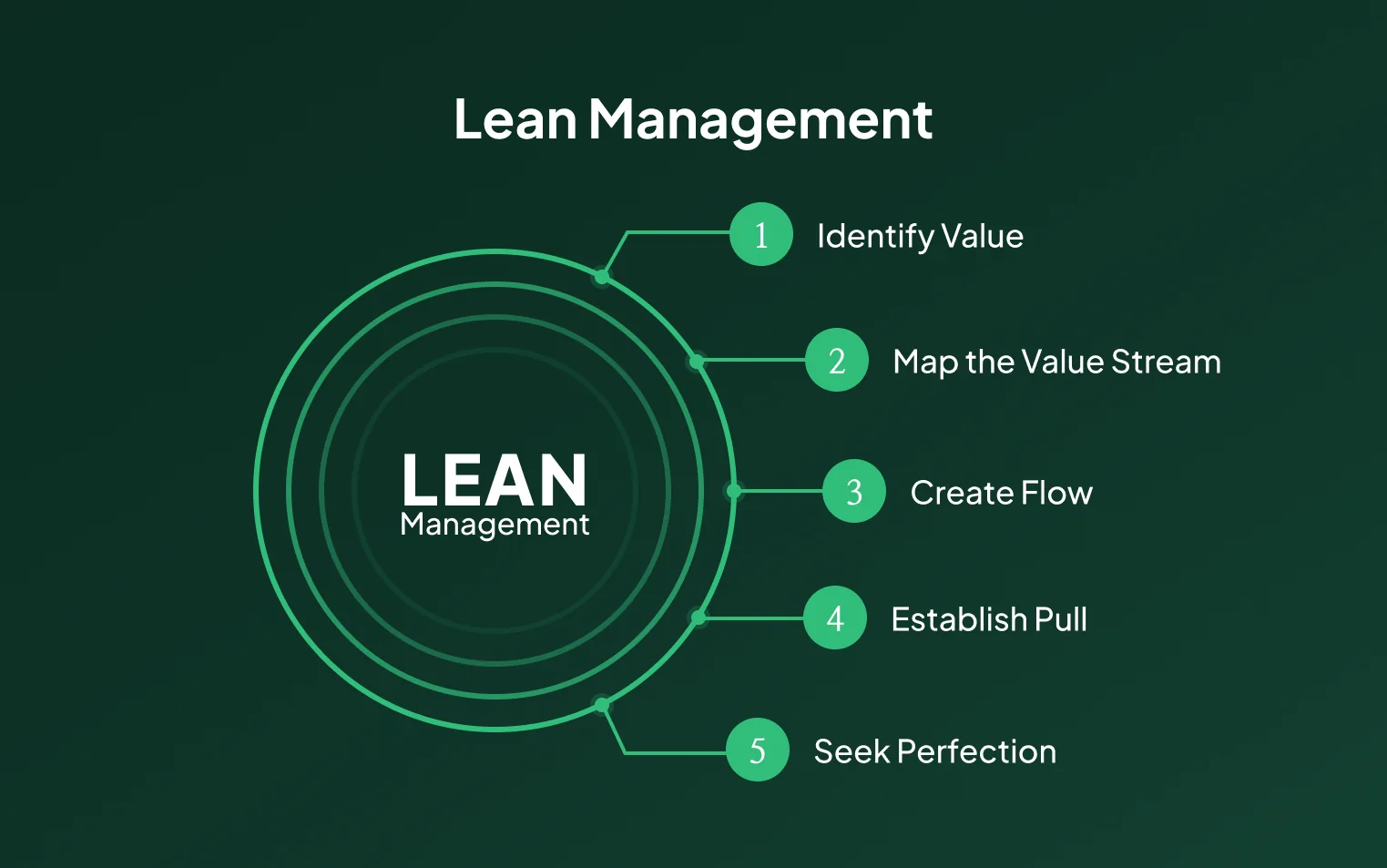
Lean Management. Original image: Toptal.com
Choosing the Right Fit
The success of a management framework depends on its alignment with the startup’s unique needs and goals. Before adopting any framework, startups should carefully assess factors such as team size, project complexity, and organizational structure. The one-size-fits-all approach doesn’t apply here, and a tailored strategy that integrates elements from various frameworks might be the key to success.
Part 2 of this series goes further into frameworks such as LeSS (Large-Scale Scrum), Scrum@Scale, Nexus, and Disciplined Agile (DA). These frameworks cater to the evolving needs of startups as they scale their operations, offering insights into managing larger teams and complex projects and maintaining a balance between structure and flexibility.
Conclusion
Working in the dynamic landscape of digital startups demands a keen understanding of management frameworks that can propel performance and innovation. By combining the foundational principles of Agile with scalable frameworks like Scrum, SAFe, and Lean Startup, startups can chart a course for sustained growth, efficient collaboration, and a continuous focus on delivering value to their customers.
Product Design Consultancy at Olively
Connect with Us
Feel free to contact us if you need further guidance on selecting the right management framework for your startup’s unique needs. I work with teams on decisions like this one.
For more insights and updates, follow me here and on my personal LinkedIn page.
If you're weighing a decision like this on a live product, here's how I work with teams.
Common questions
Which management framework should a startup use?
The one closest to how the team already works. Frameworks fail when adopted whole rather than fitted, and the adoption cost is usually larger than the gain from the theoretically better choice.
Do small teams need a framework at all?
They need the parts that answer who decides and what happens when priorities collide. The ceremony can wait until the team is large enough to need it.
Integrating an AI platform into enterprise ITSM — a phased rollout replacing a single cutover on a live queue.