Archive · Fintech
Tax automation for American expats
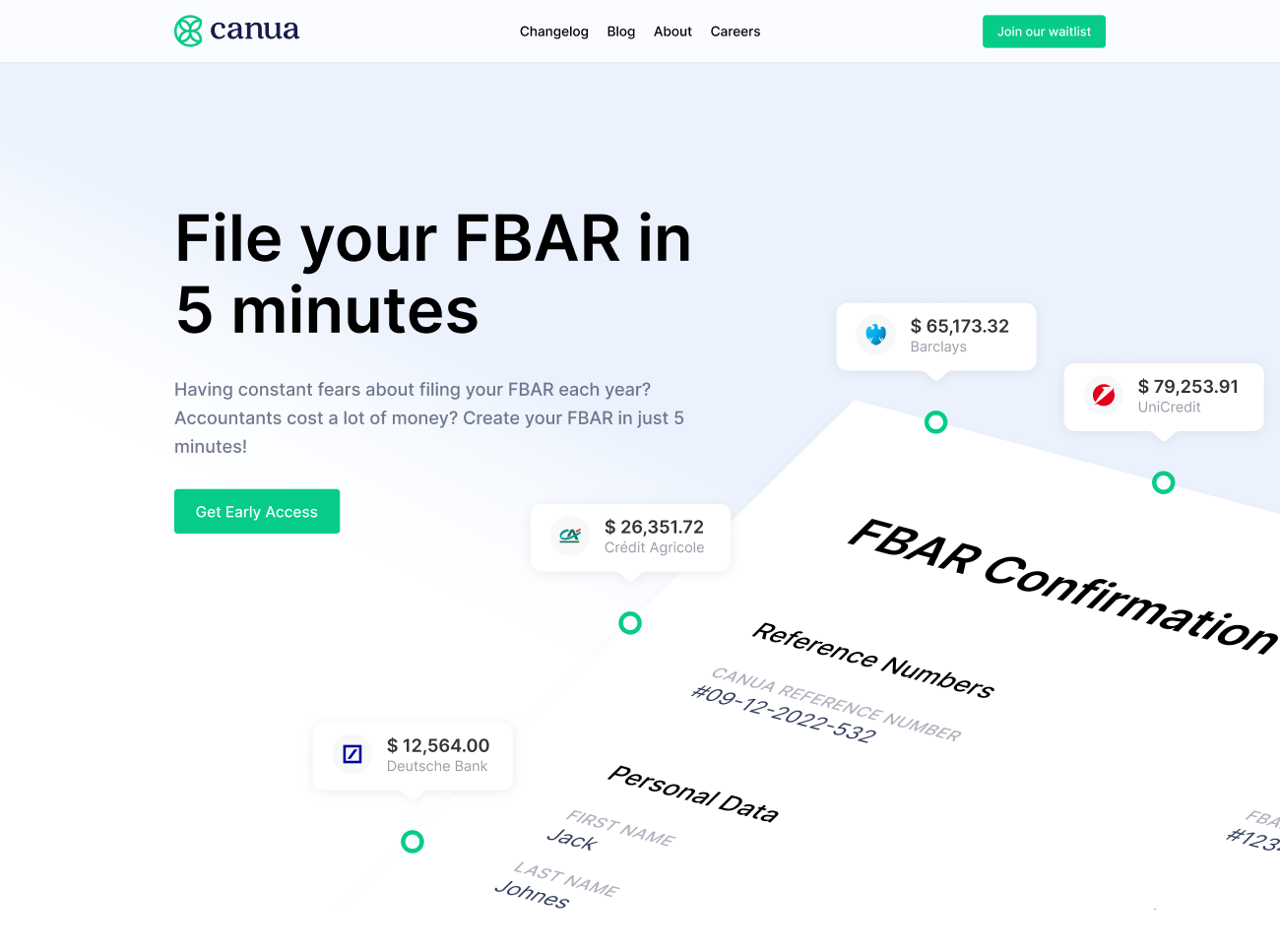
An FBAR filing flow for Canua, built for Americans abroad who must report foreign accounts over $10,000 or face penalties.
This is earlier work, kept here because people still find it. The role titles below describe each engagement at the time. Olively today is an AI product consultancy — if that is what you are after, start with the AI Reality Check or the readiness scorecard.
The problem
What the work was actually for.
If you are American with foreign bank accounts totalling more than $10,000 at any point in a year, you must file an FBAR. Most people this affects live abroad, and they have two options: do it themselves, or pay an accountant who knows US regulations.
Doing it yourself is genuinely hard — you have to report the highest balance each account reached during the year, which nobody tracks. Hiring someone is expensive. The gap between those two options is where the product sits.
Research went beyond interviews and competitor analysis into Reddit threads, because that is where people actually admit they do not understand a filing requirement.
The outcome
What actually changed.
Sales rose 120% and conversion 360%. The FBAR flow was the wedge — a specific, unavoidable, annually recurring obligation — and the research that came out of building it opened four adjacent audiences with the same underlying problem.
The decisions
Three calls that shaped it.
Research on Reddit, not just in interviews
FBAR is an obligation people quietly do not understand. Interviews get you what someone will admit in a room; forums get you what they actually ask when nobody is watching.
Design the flow so it can be finished in one sitting
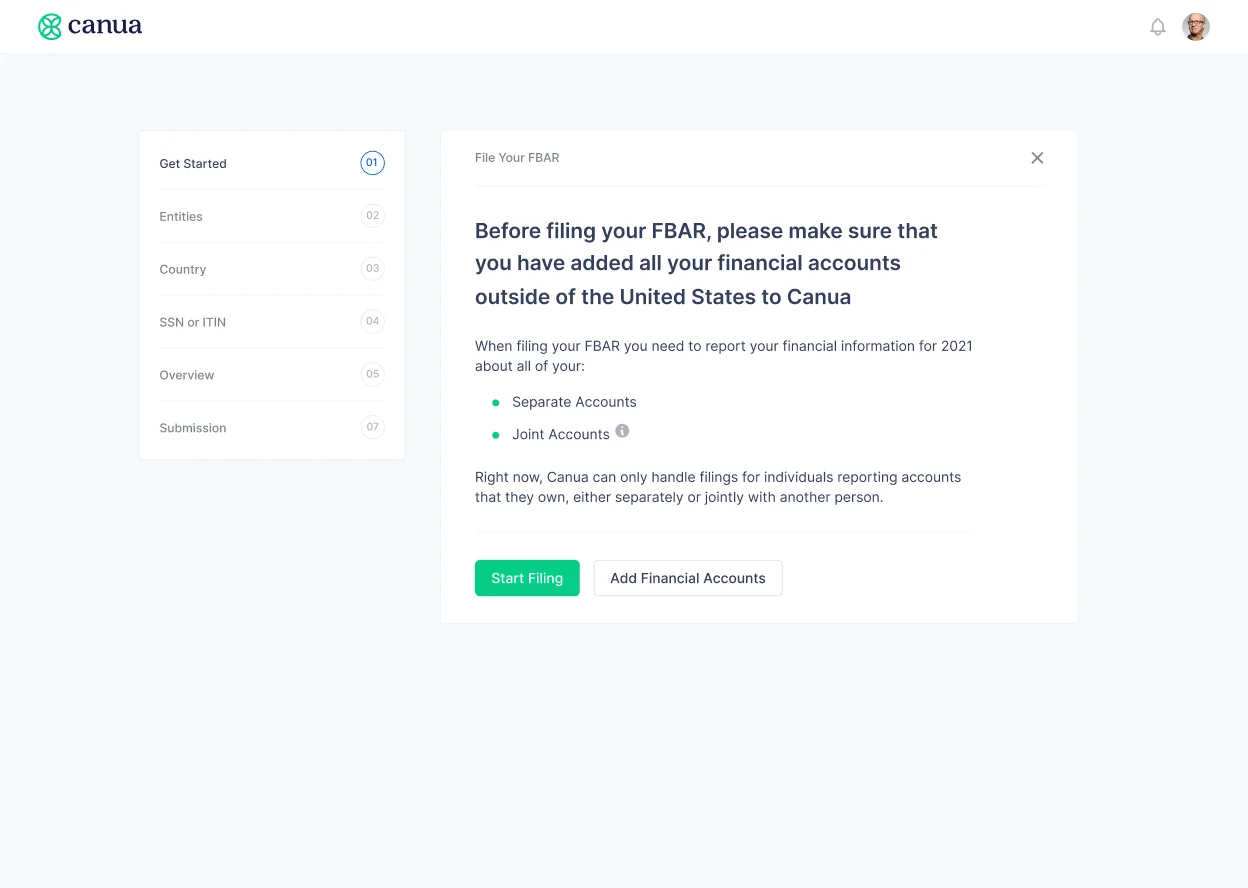
The hardest part of FBAR is reporting the highest balance each account reached during the year, which nobody tracks. The flow had to make an intimidating obligation feel finishable.
Ship a feature, then move immediately to the next
Each feature went live, was measured in PostHog, and the team moved on rather than polishing. Compliance products have an annual deadline; shipping late is the same as not shipping.
What was hard
The audience turned out wider than the brief. Research aimed at American expats surfaced four more groups with the same shape of problem, which meant the product decision was no longer about FBAR alone.
Worth pointing at
A few decisions that held up.
The audience was wider than the brief
Research started with American expats and found four more groups with the same shape of problem: startup employees with stock options, investors managing multiple positions, people holding crypto through regulatory change, and side-hustlers missing deductions.
Existing tools ask too much
Traditional budgeting tools require manual tracking of spending and assets, which is why people abandon them. The specialised ones fix one geography or one asset type and become another data silo.
The work
What it looked like.
Wireframes
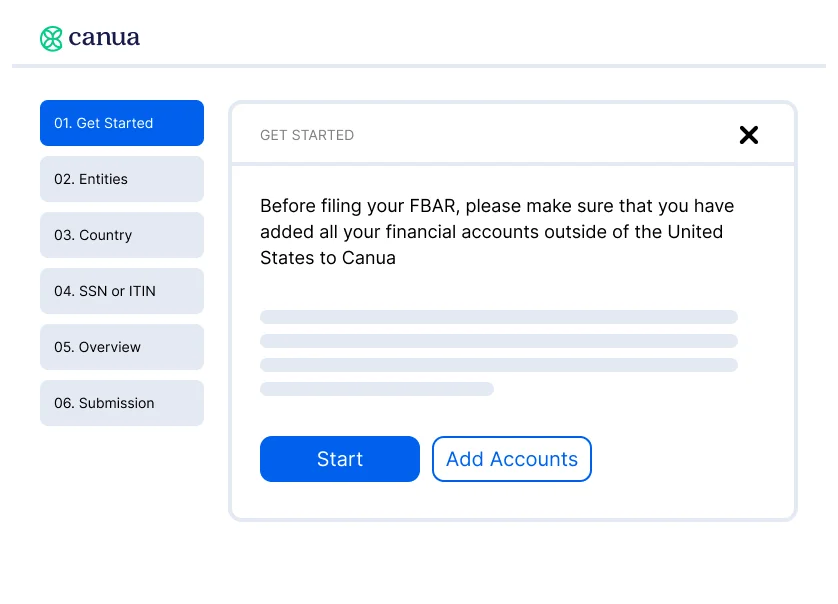
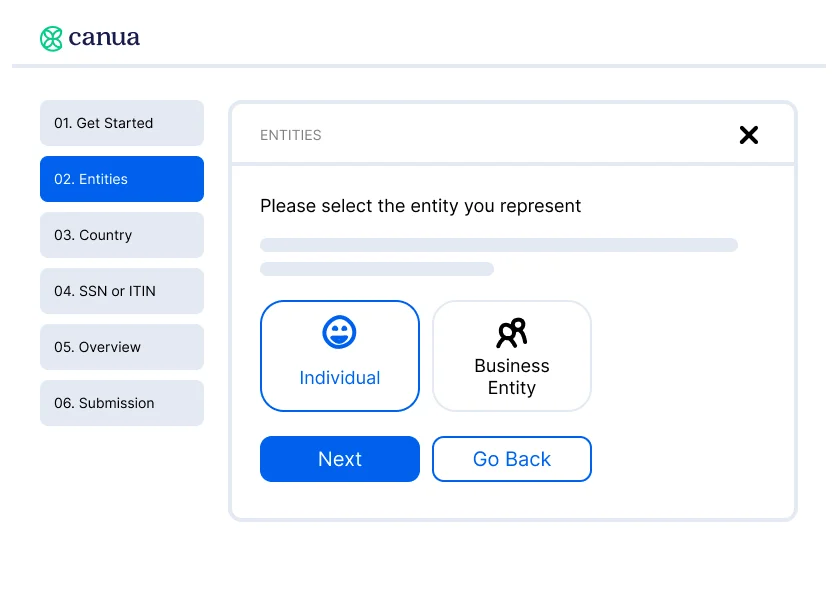
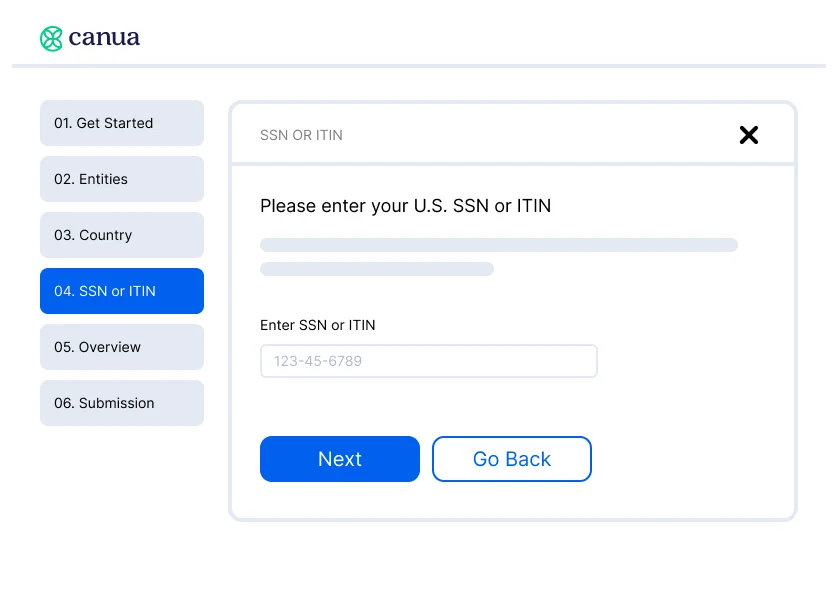
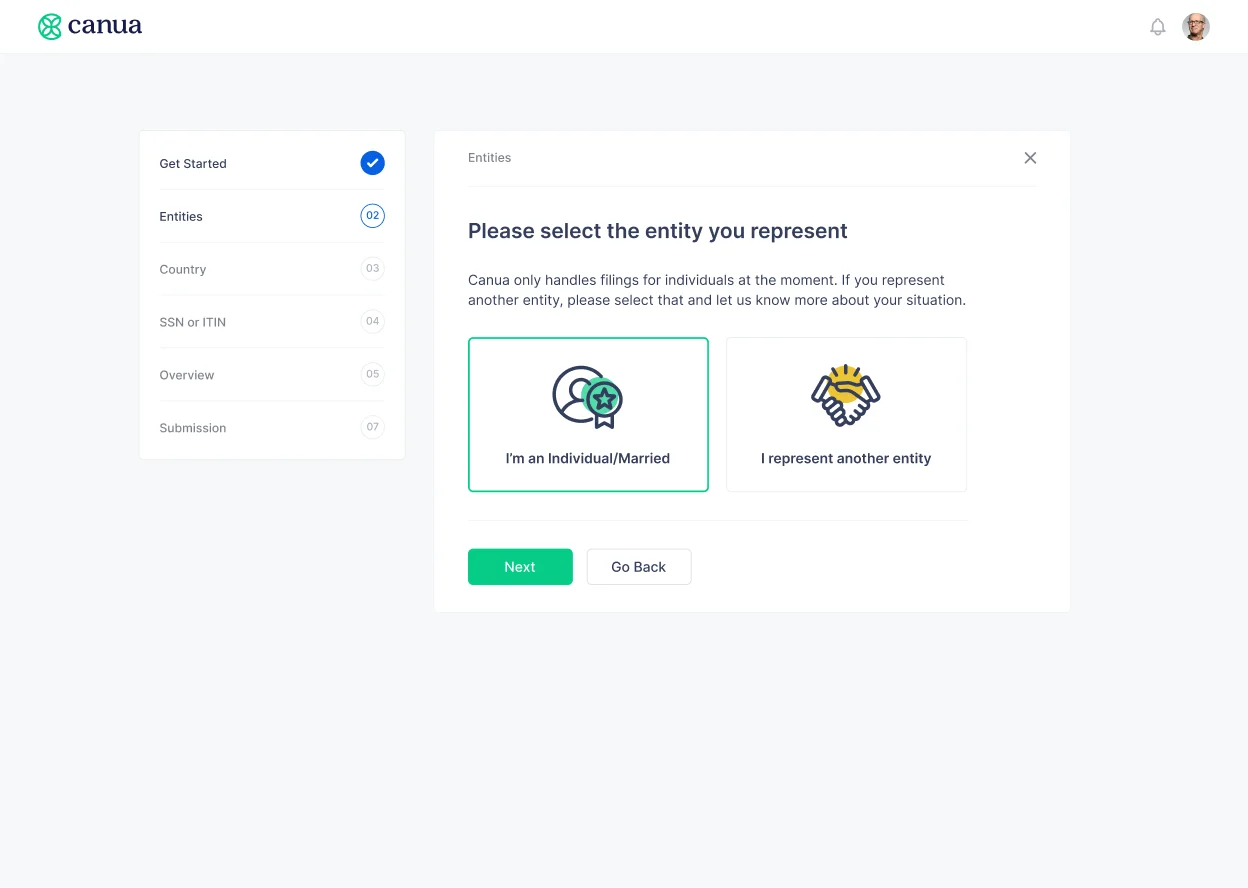
Structure first. In a compliance flow, the order questions are asked in determines whether people finish, and an abandoned tax filing is worse than none.
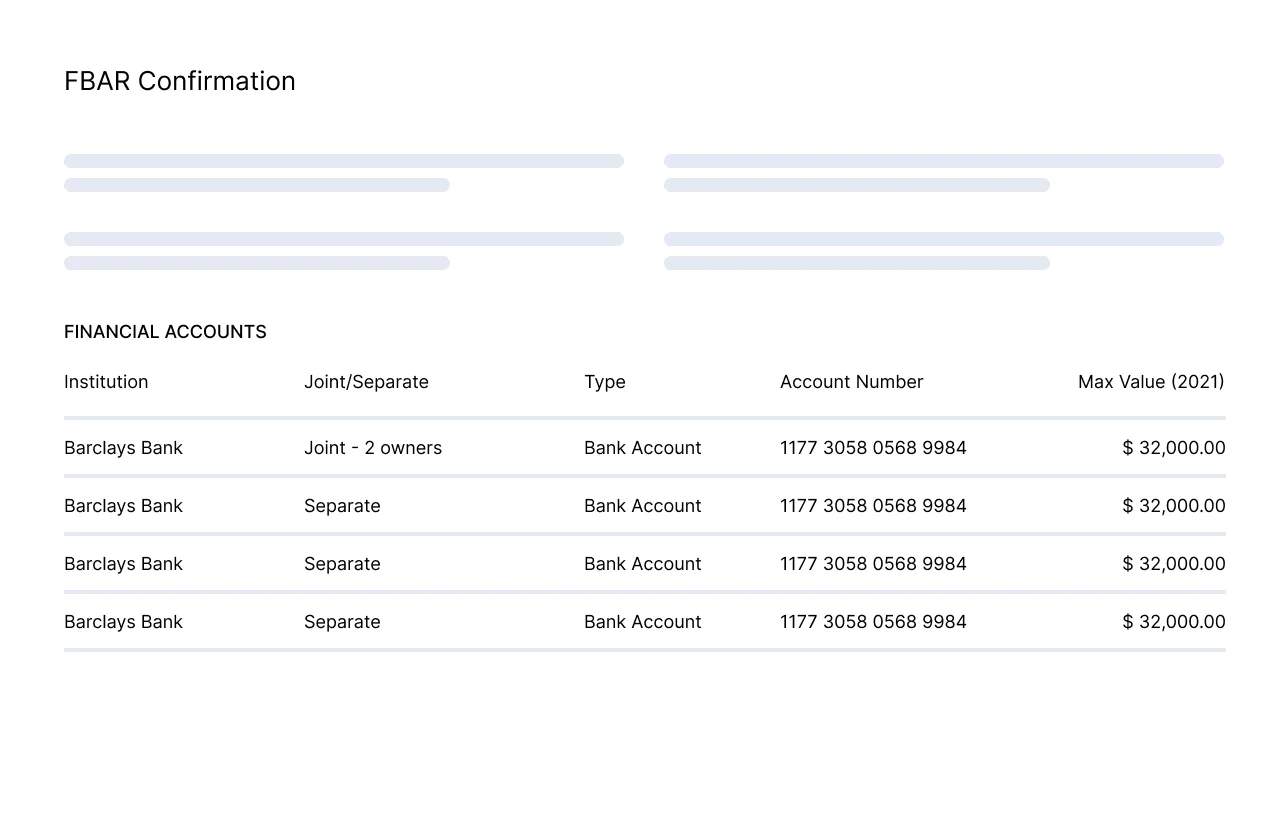
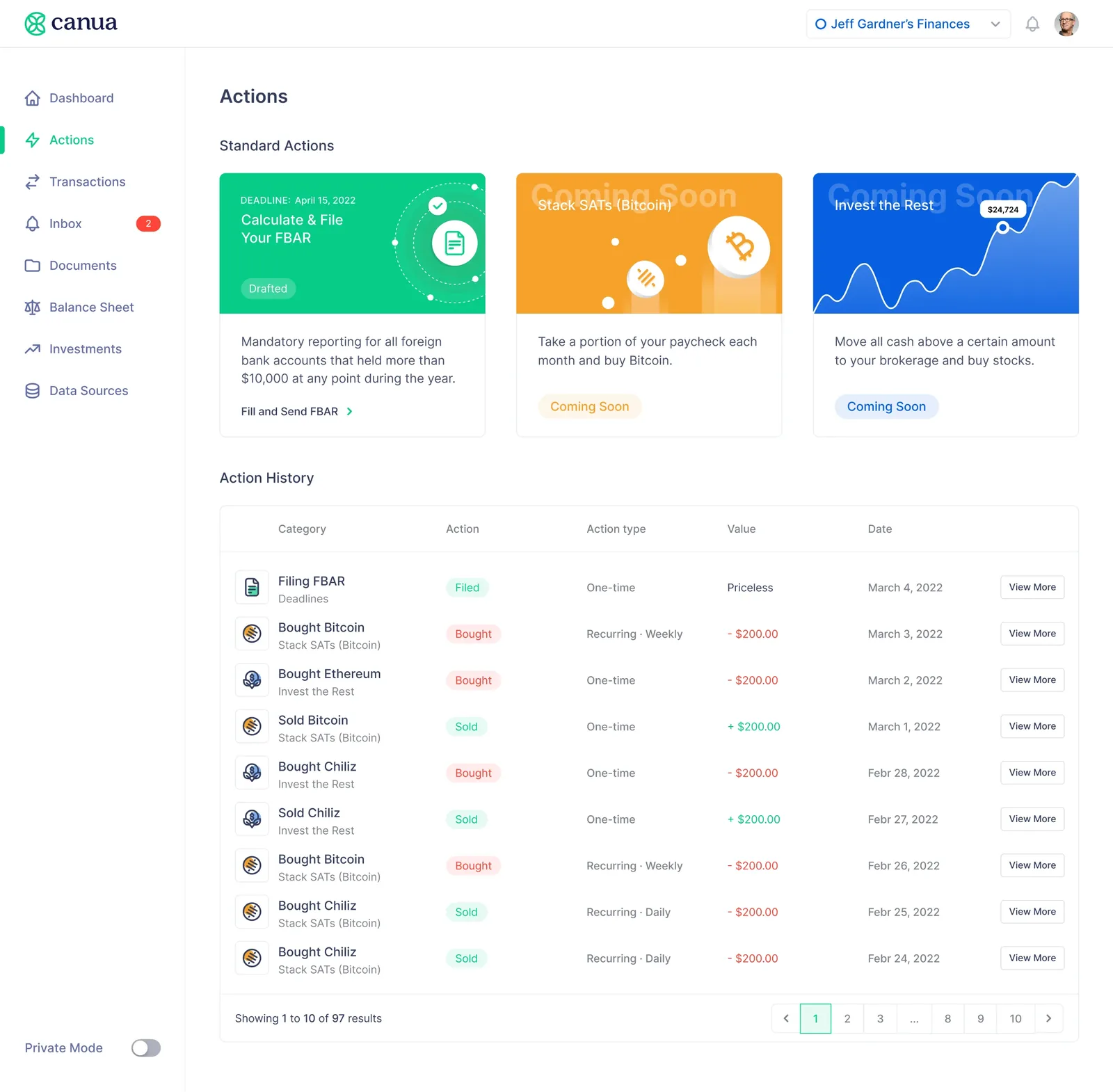
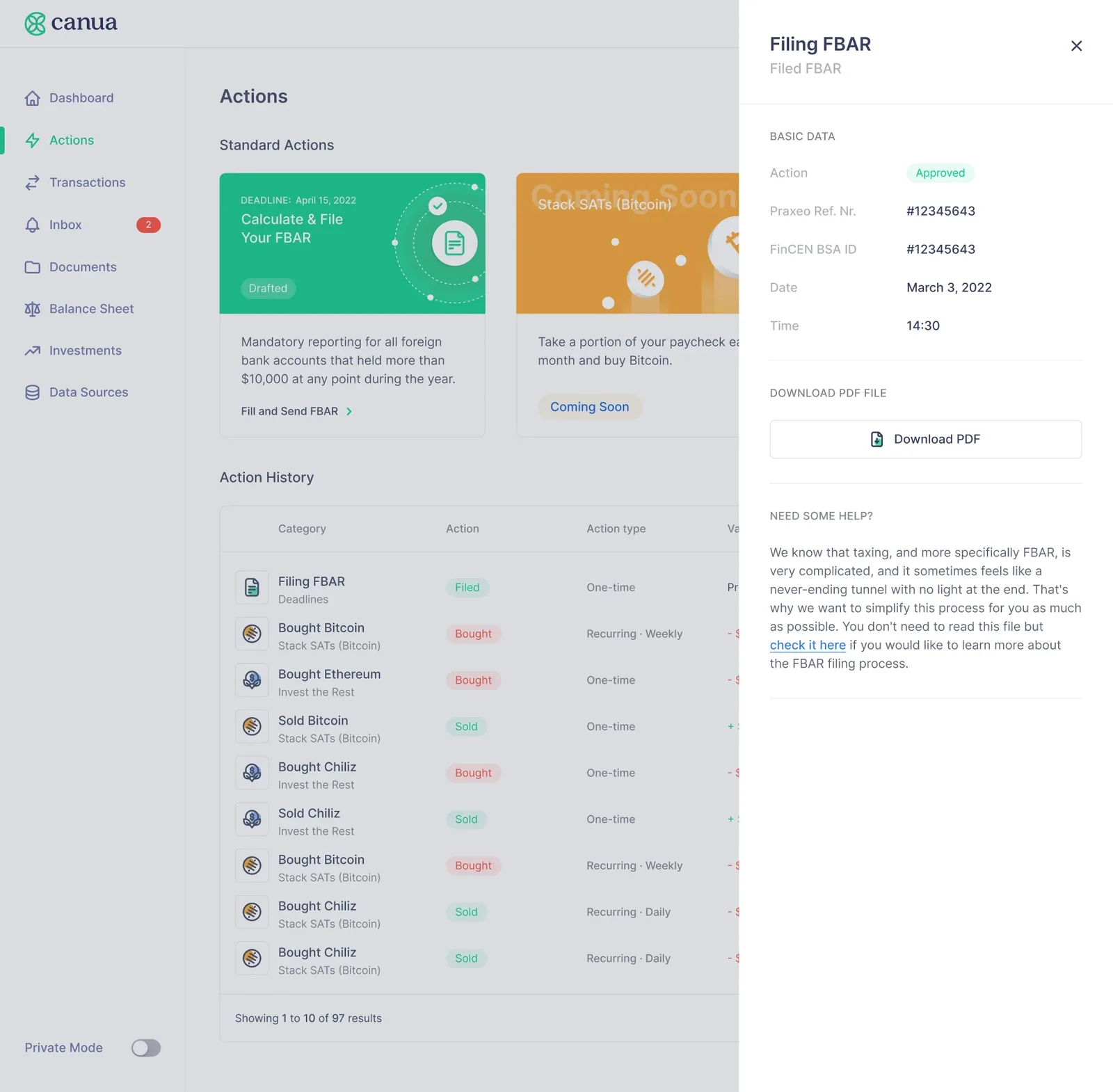
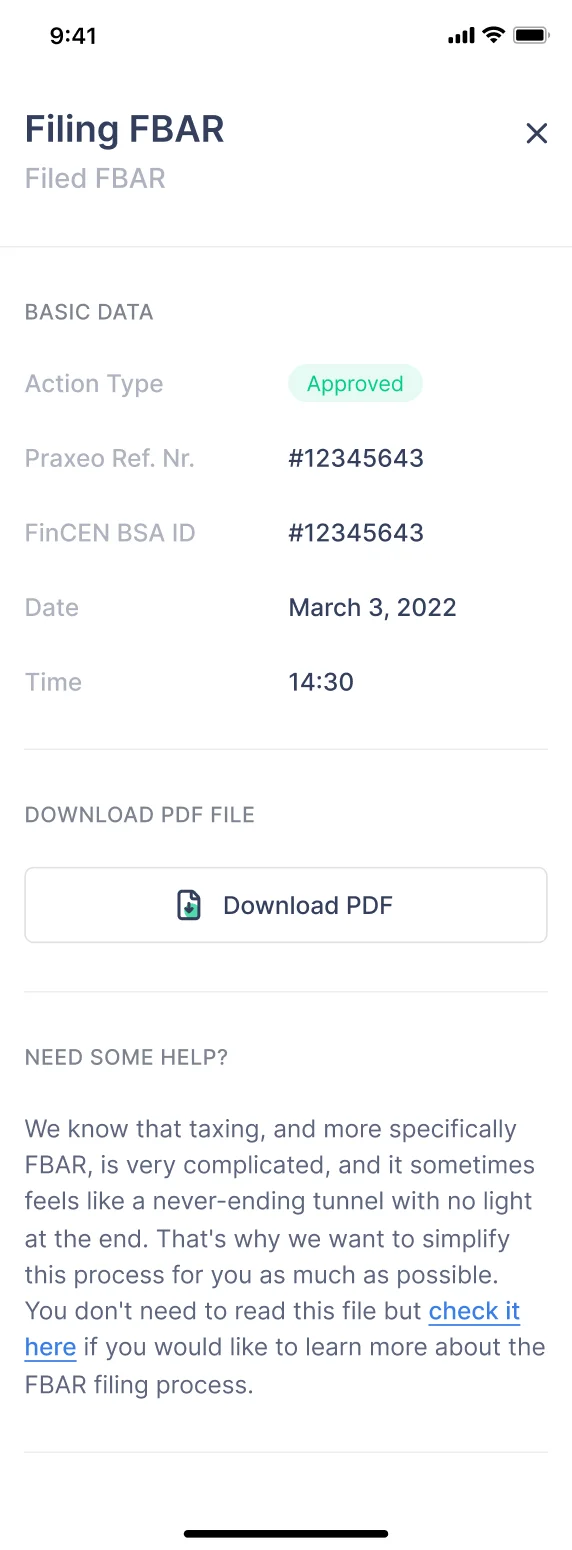
The interface
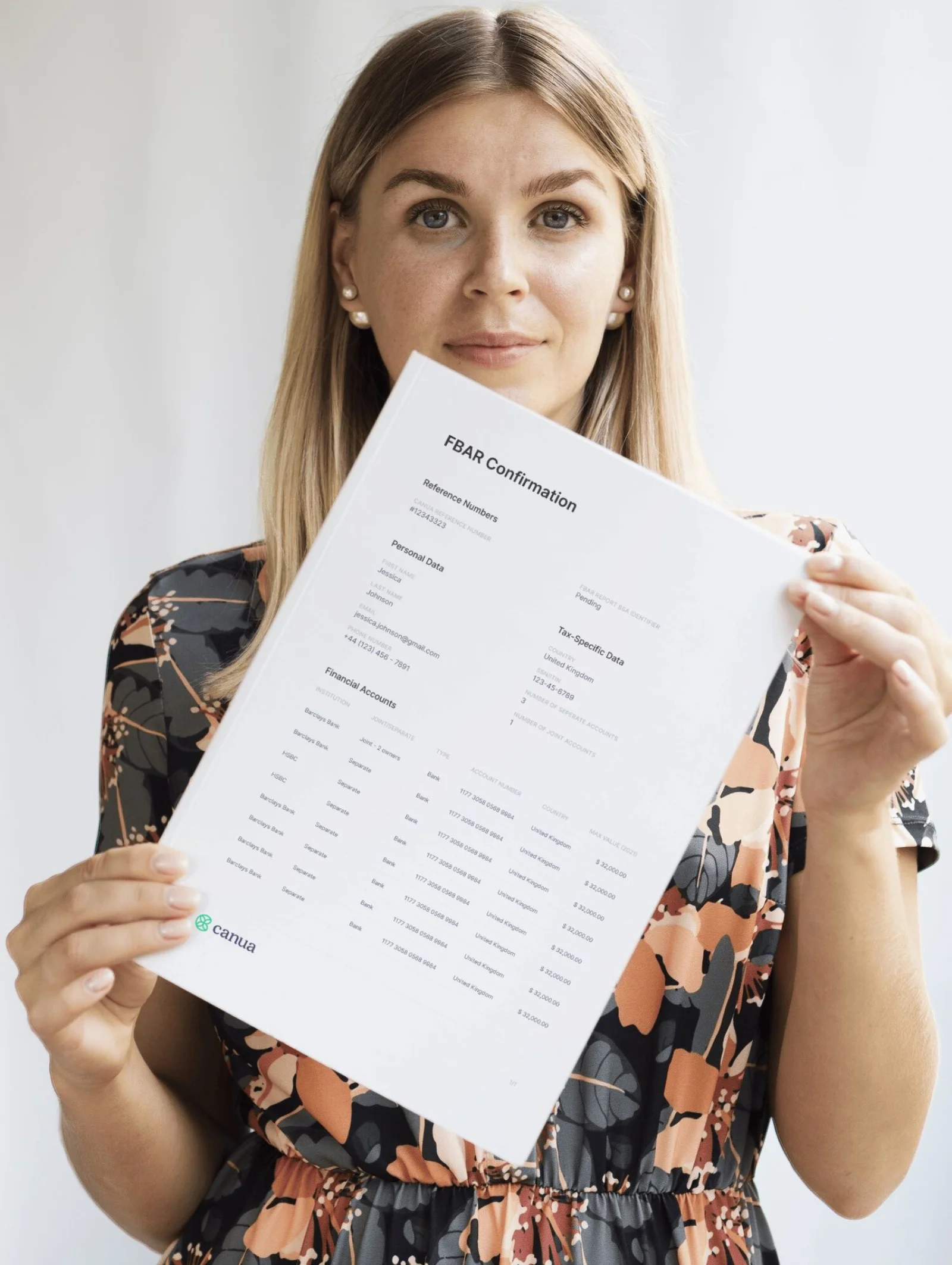
The whole flow, web and mobile, ending in the printed FBAR itself. Every screen had to make an intimidating obligation feel finishable.
What I do now
Most AI projects are theatre. I help you build the ones that aren’t.
An AI Reality Check scores every idea on your roadmap and hands back three lists — what is real, what is theatre, and what is blocked. One week, fixed price.