Archive · Fintech
Designing a Product Hunt Launch
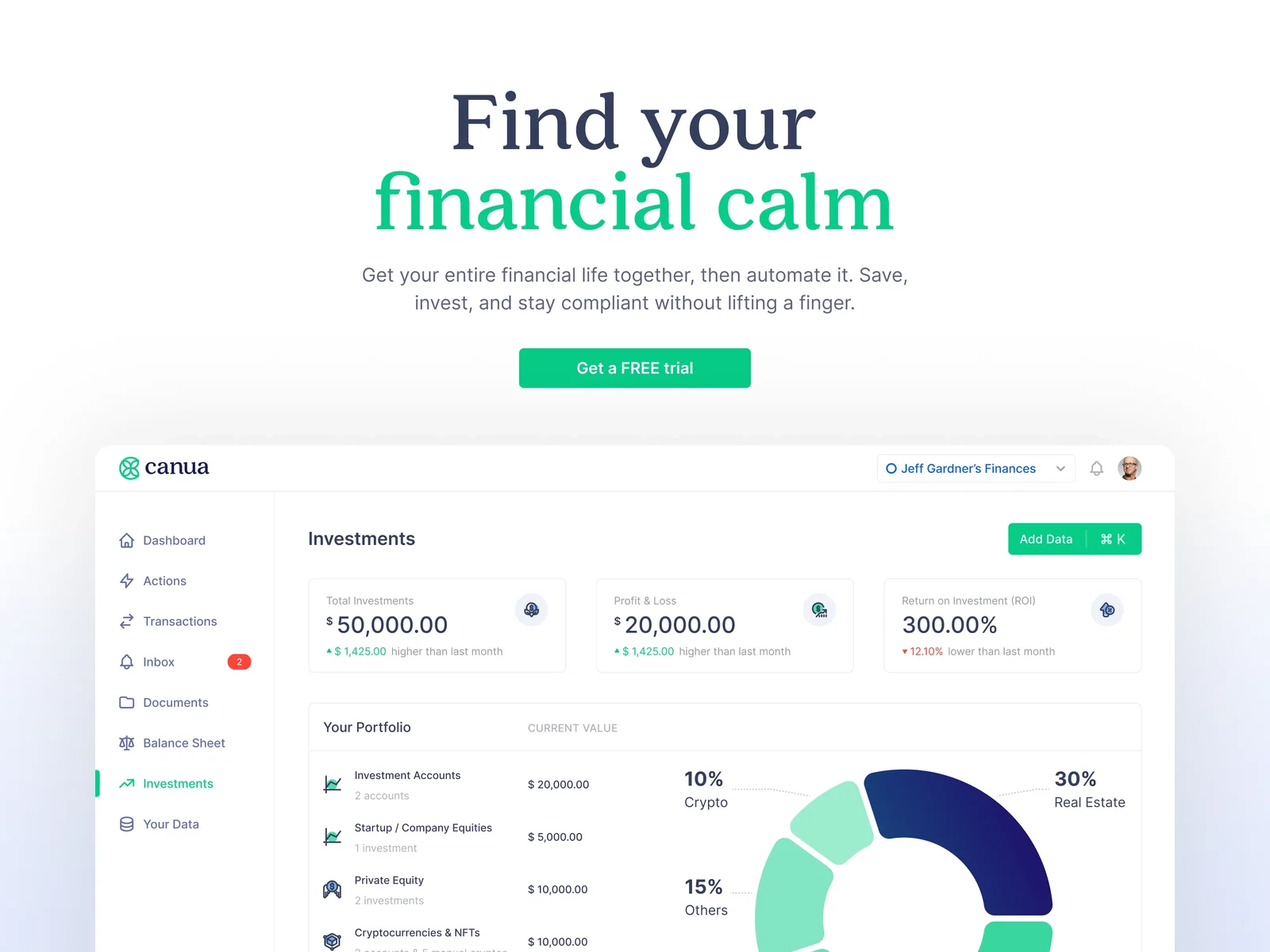
A Product Hunt launch for Canua, built on analysis of what had actually ranked rather than on taste.
This is earlier work, kept here because people still find it. The role titles below describe each engagement at the time. Olively today is an AI product consultancy — if that is what you are after, start with the AI Reality Check or the readiness scorecard.
The problem
What the work was actually for.
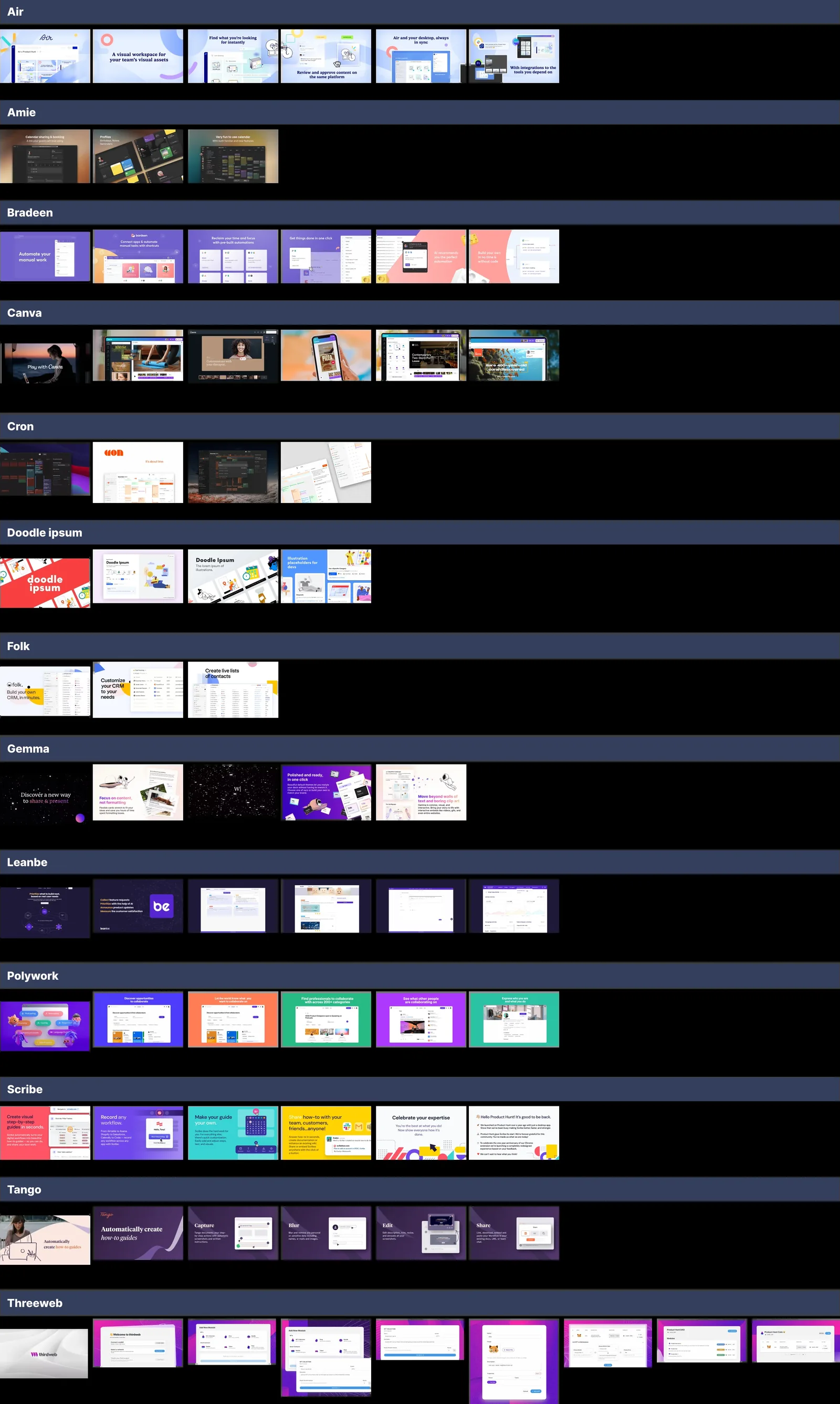
A launch is a one-shot event, so the strategy came from evidence rather than instinct. We gathered launches that had actually performed on Product Hunt — high upvotes, ranked daily and weekly — put them on a board, and worked out what they had in common.
Canua was launching a personal finance automation platform into a category where most products look identical at a glance. The launch had to carry both the product and the reason it existed, in a format that gives you one card and a few seconds.
Collaborative workshops turned that into visual concepts and a content strategy, then logo animation, mockups and final assets, all exported and scheduled to go live at a fixed time.
Product Hunt rewards preparation and punishes improvisation. A launch runs for a single day, ranks against everything else launched that day, and cannot be repeated. Everything that could be decided in advance was decided in advance.
The outcome
What actually changed.
487 upvotes, 366 comments, and first fintech product of the day. The launch ran once and could not be repeated, which is why the analysis stage took a disproportionate share of the time relative to the design.
The decisions
Three calls that shaped it.
Analyse what had already ranked
Launches with high upvotes and daily or weekly placement were collected on a board and examined for what they shared. A launch is a one-shot event, so the strategy came from evidence rather than instinct.
Simulate the launch before it happened
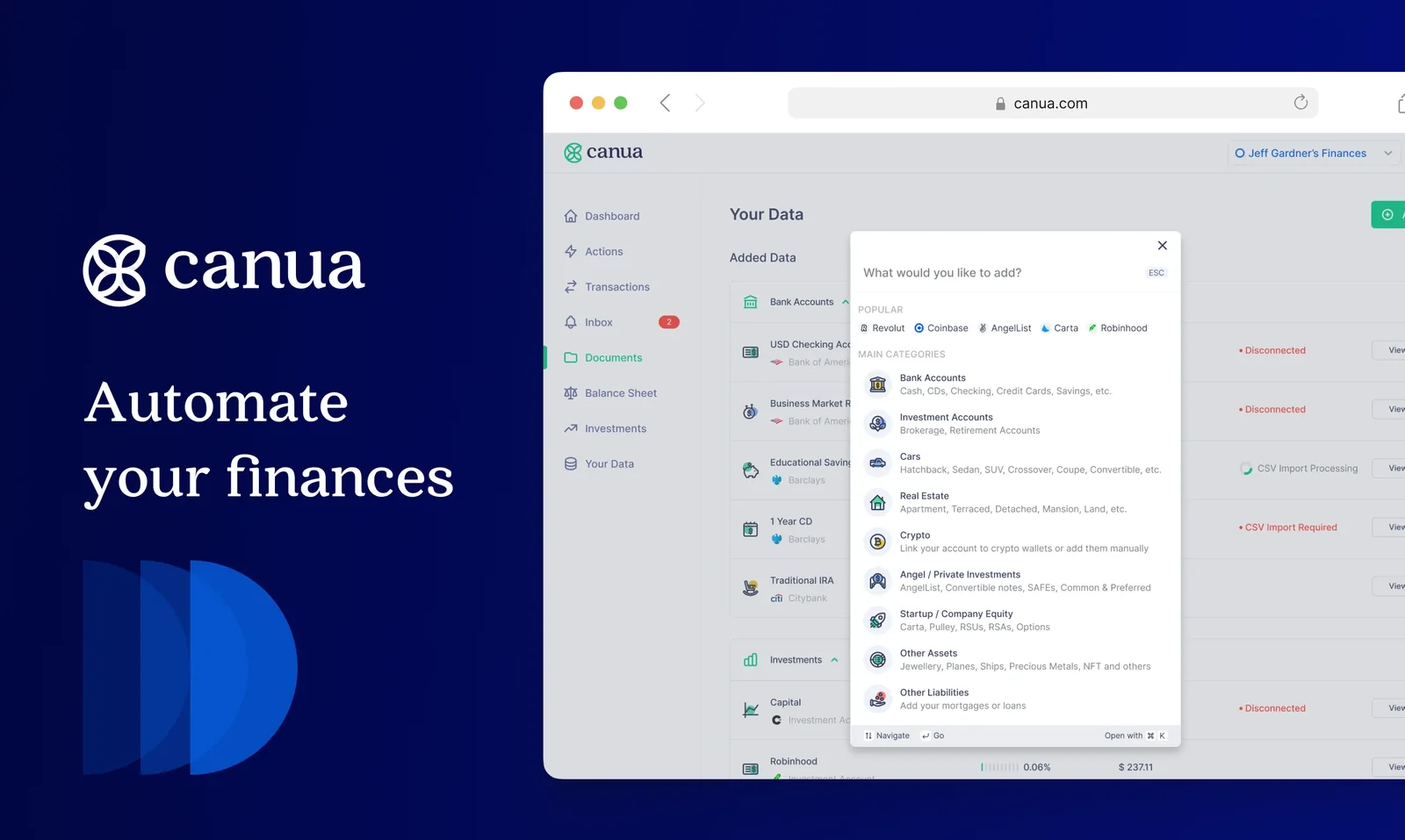
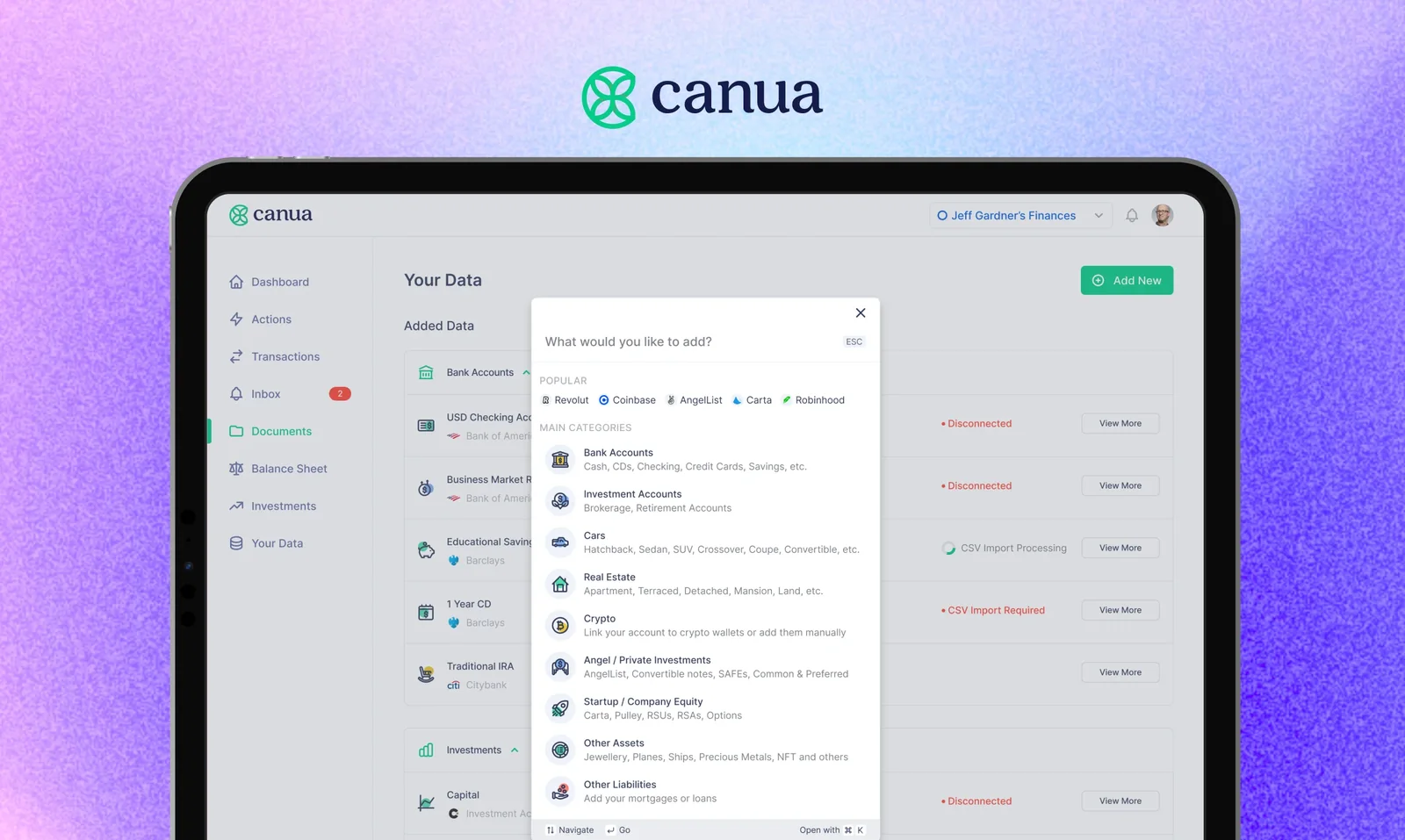
The chosen logo and screens were placed into mockups of the platform itself, so the team could see how it would actually look in place rather than in isolation.
Schedule everything to a fixed time
Assets exported and uploaded in advance. A launch that goes live while someone is still exporting has already lost the morning.
What was hard
There is no second attempt at a Product Hunt launch, which is why the analysis stage took a disproportionate share of the time relative to the design.
Worth pointing at
A few decisions that held up.
Study what ranked, not what looked good
Launches with high upvote counts and daily or weekly placement were gathered onto one board and compared. What they shared was more useful than what any single one did well.
Motion for the identity, not just the page
The logo was animated so the brand moved as well as sat still — on a platform where every listing is a static card, movement is what stops a scroll.
Mockups that simulate the real placement
Screens and logo were placed into Product Hunt mockups and retouched, so the team judged how it would actually appear rather than how it looked in isolation.
Everything exported and scheduled ahead
Assets uploaded and timed before the day began. A launch where someone is still exporting at 9am has already lost the morning it depended on.
The work
What it looked like.
Research
Launches with high upvotes and daily or weekly placement gathered onto one board, then examined for what they shared — colour, pattern, message, content.
Early concepts
Several directions put in front of the client, so the choice was theirs and informed rather than presented as a single option.
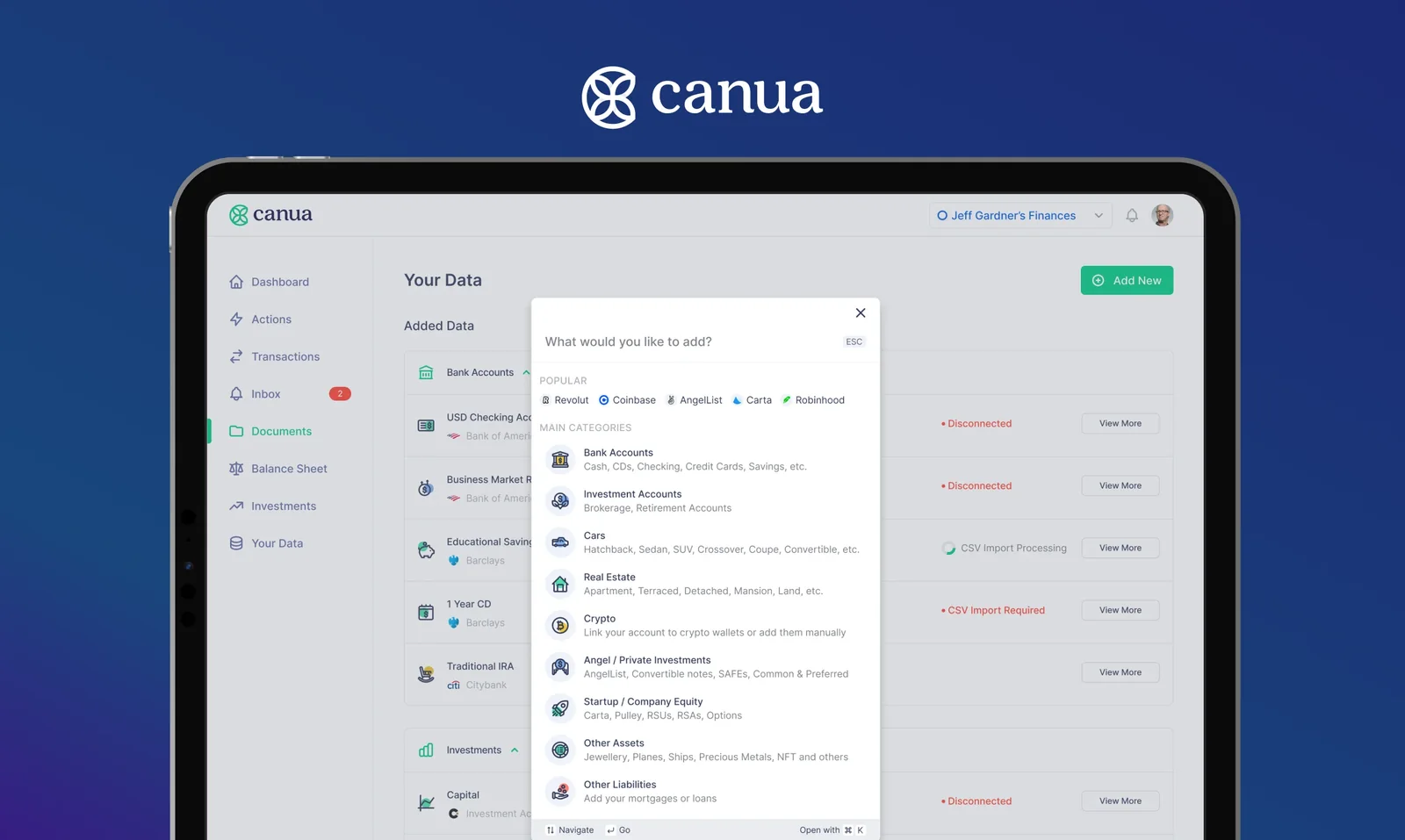
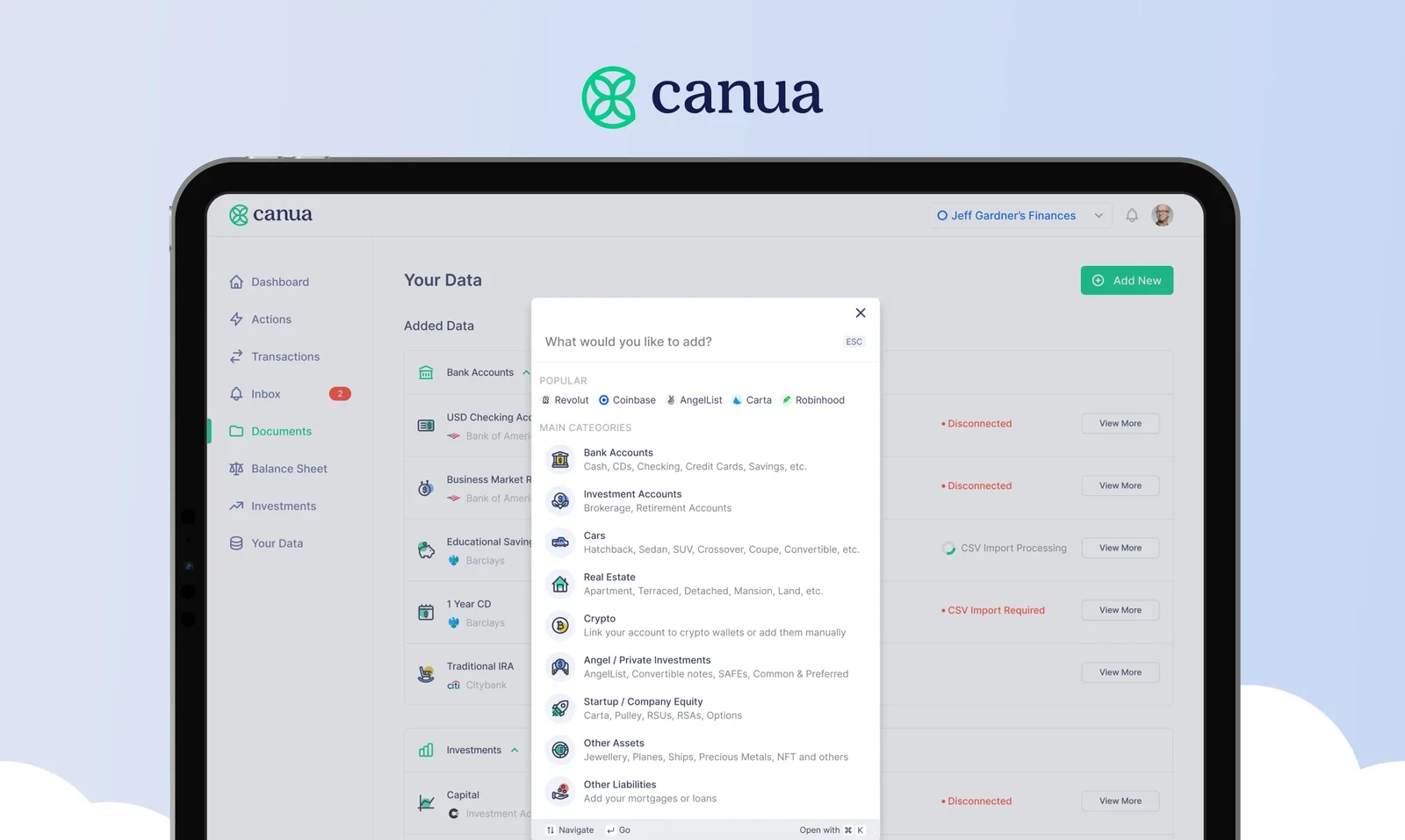
Refined
The chosen direction developed, with the logo animated in multiple versions and voted on.
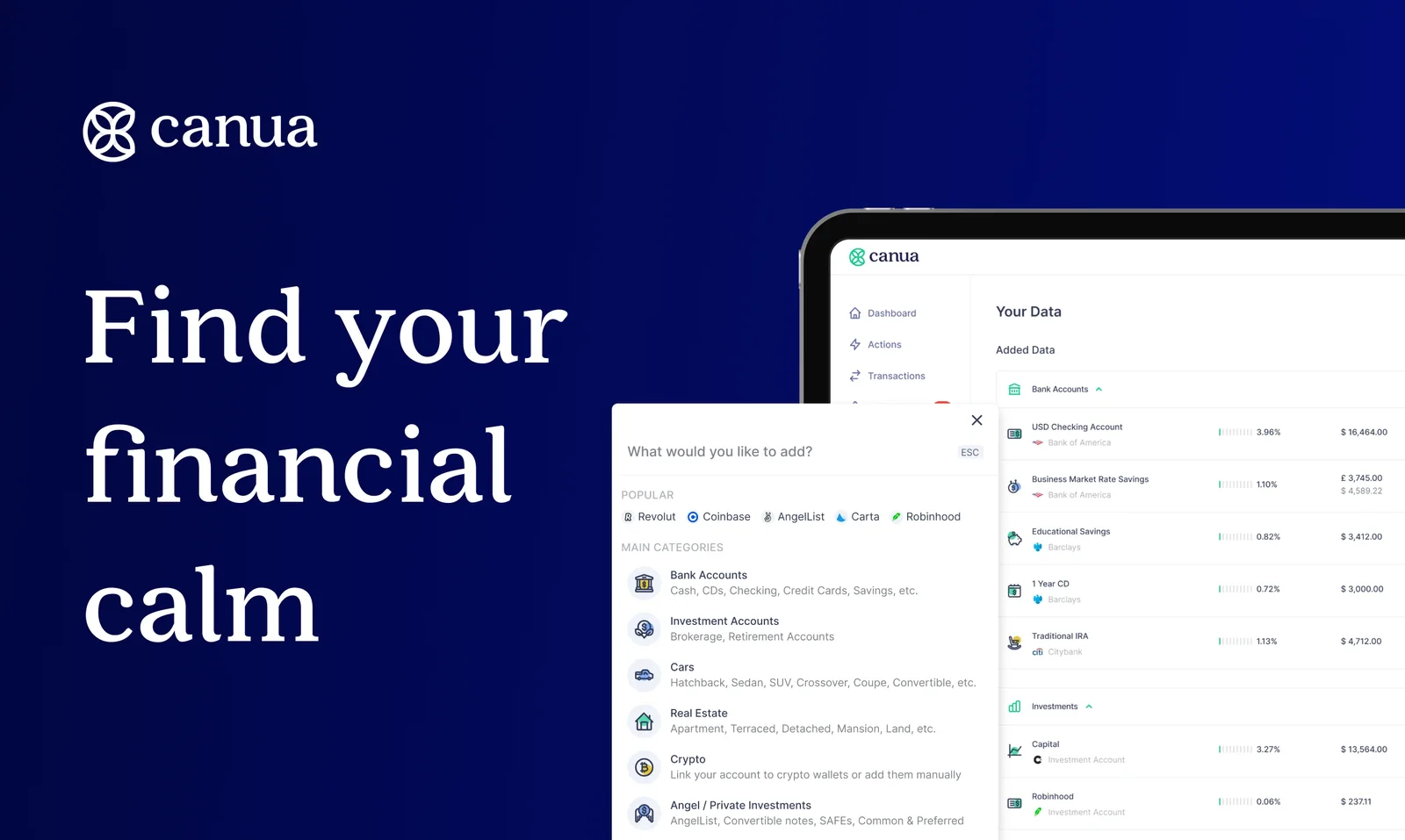
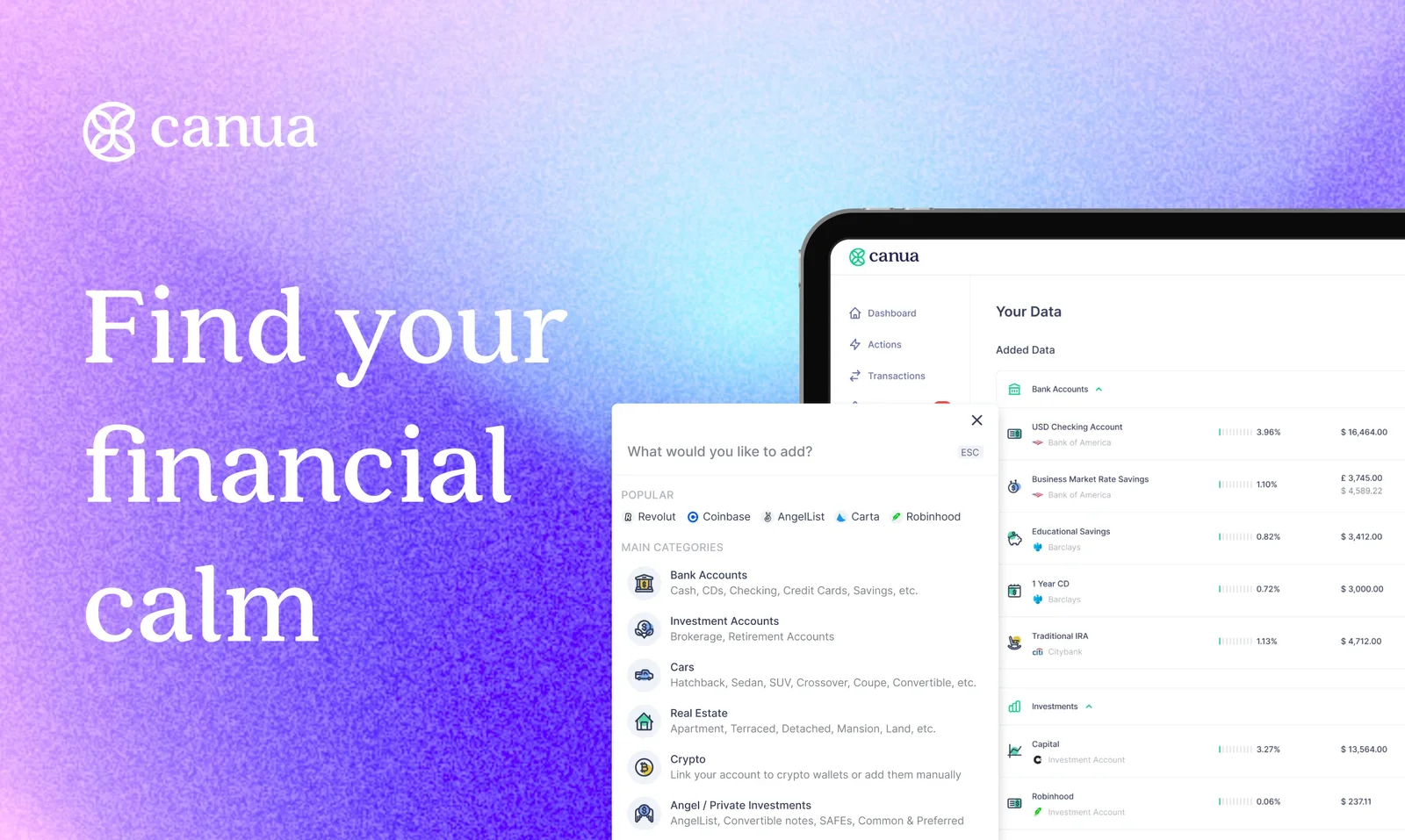
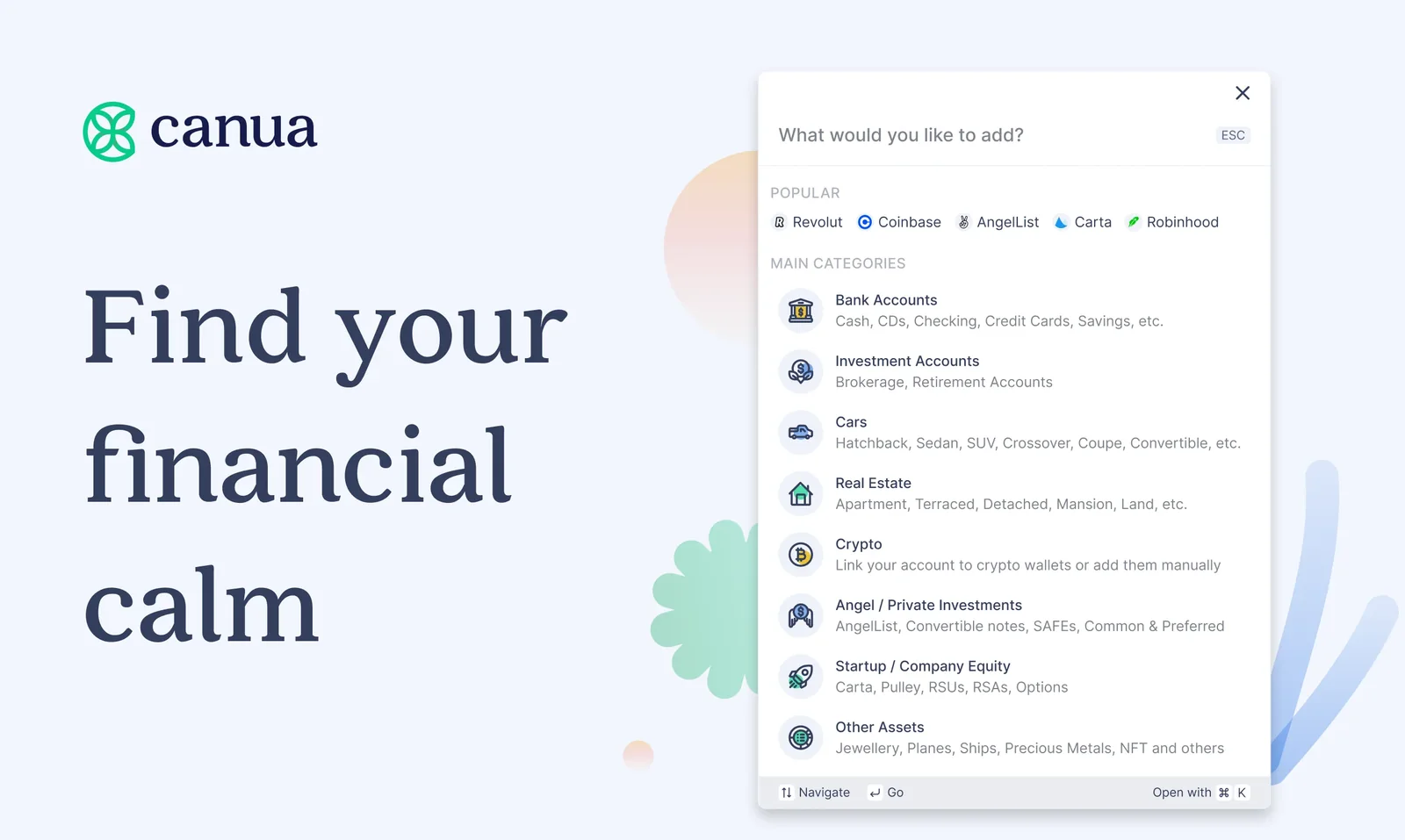
The launch
Exported and uploaded before the day, scheduled to go live at a fixed time.
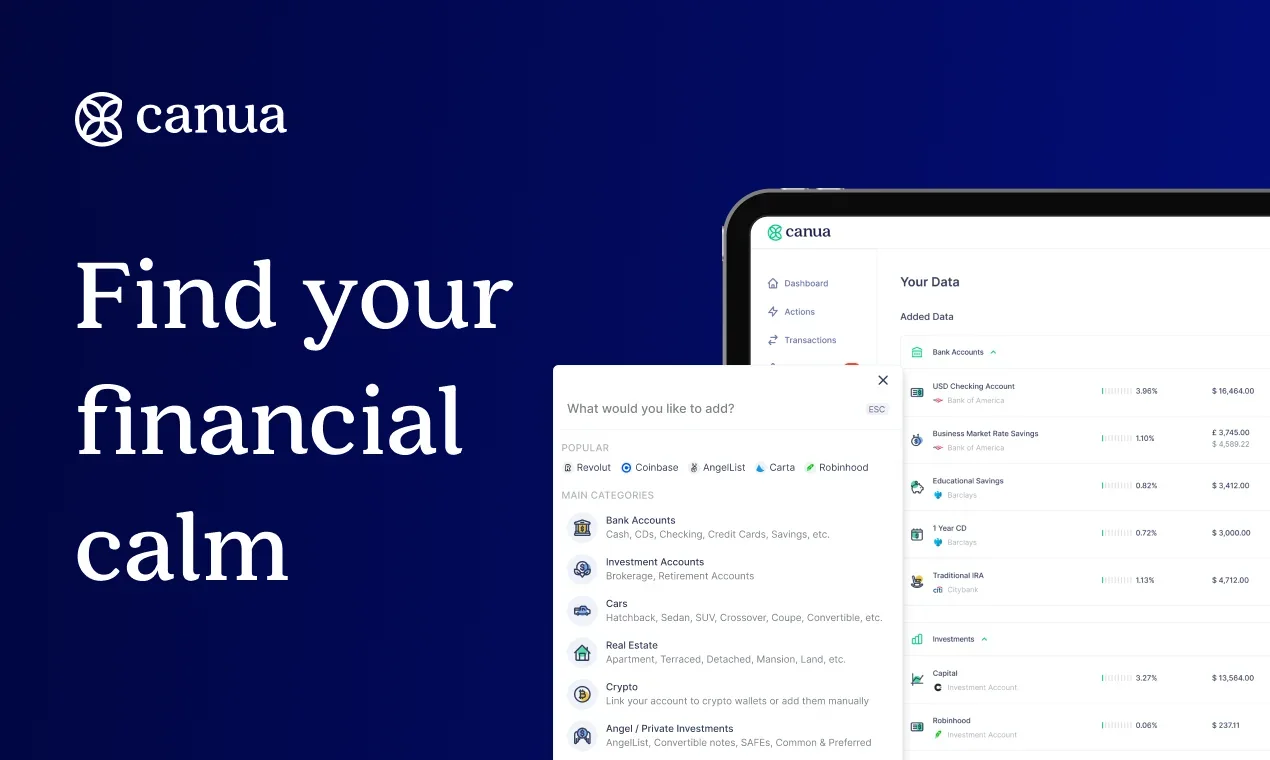
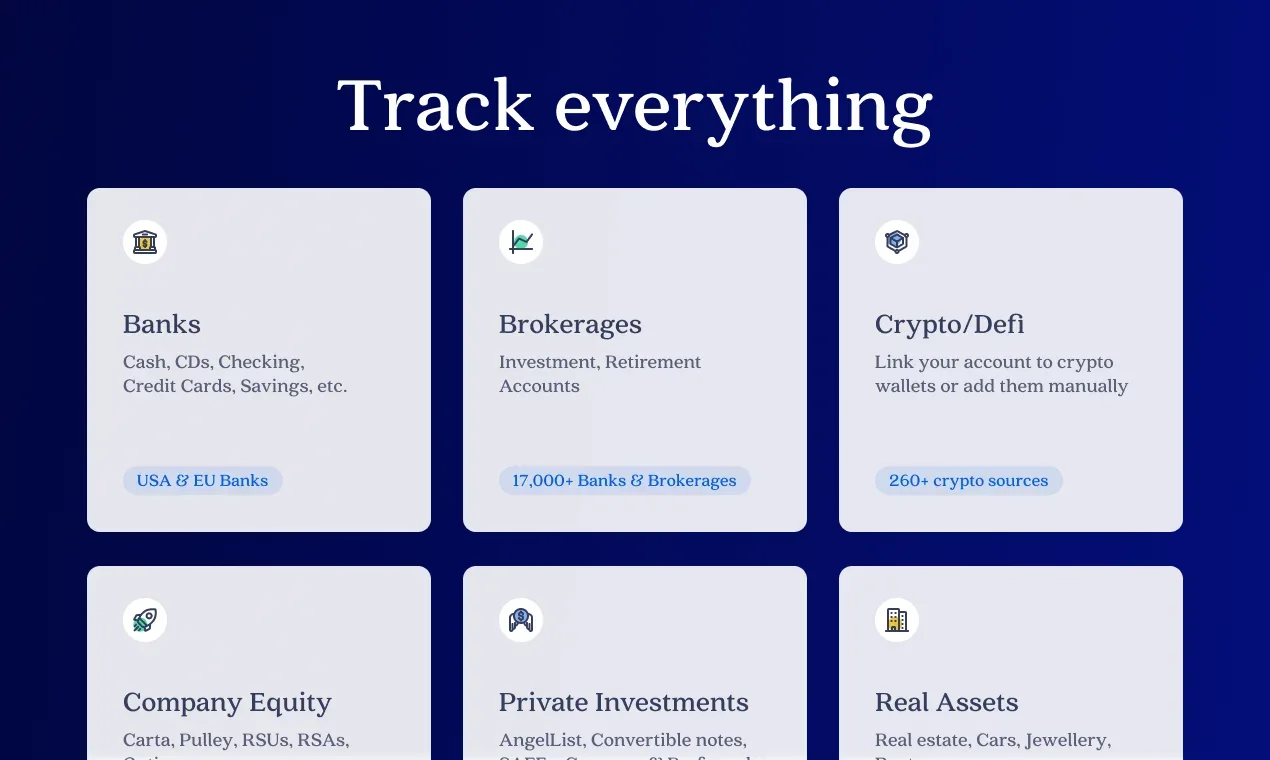
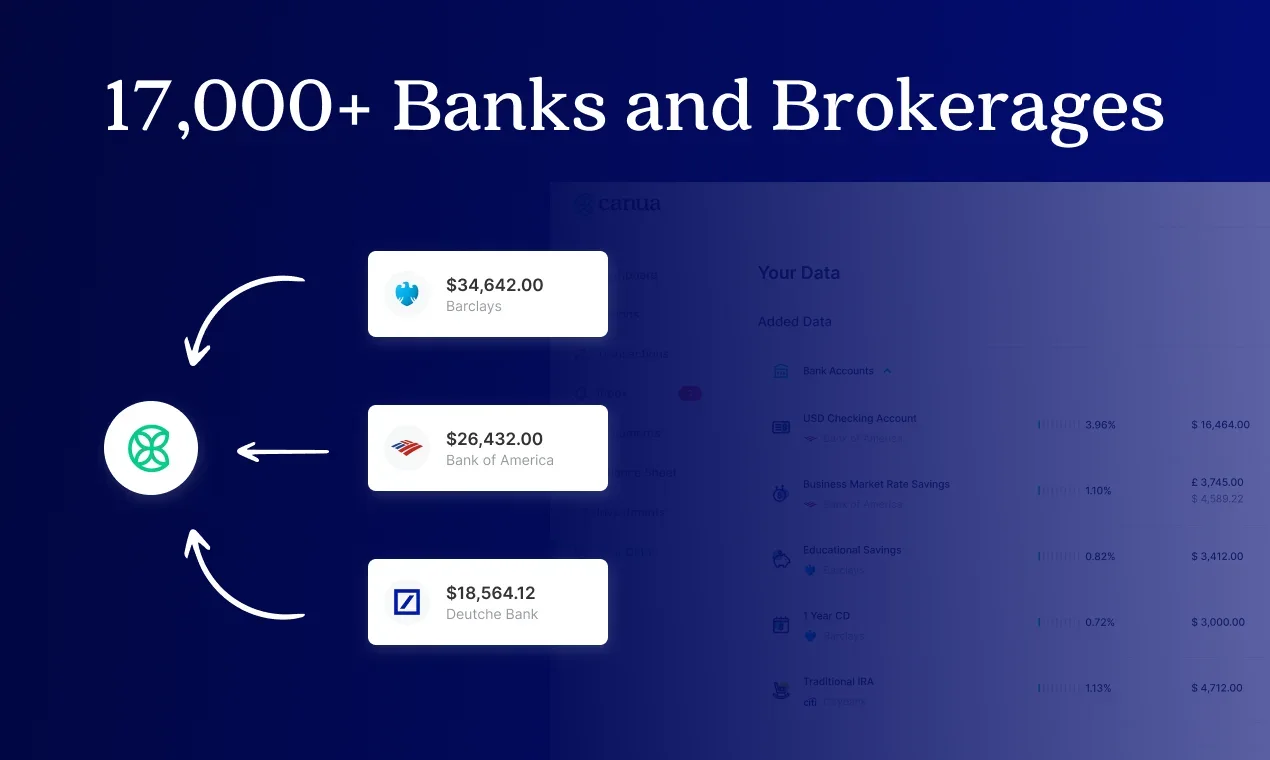
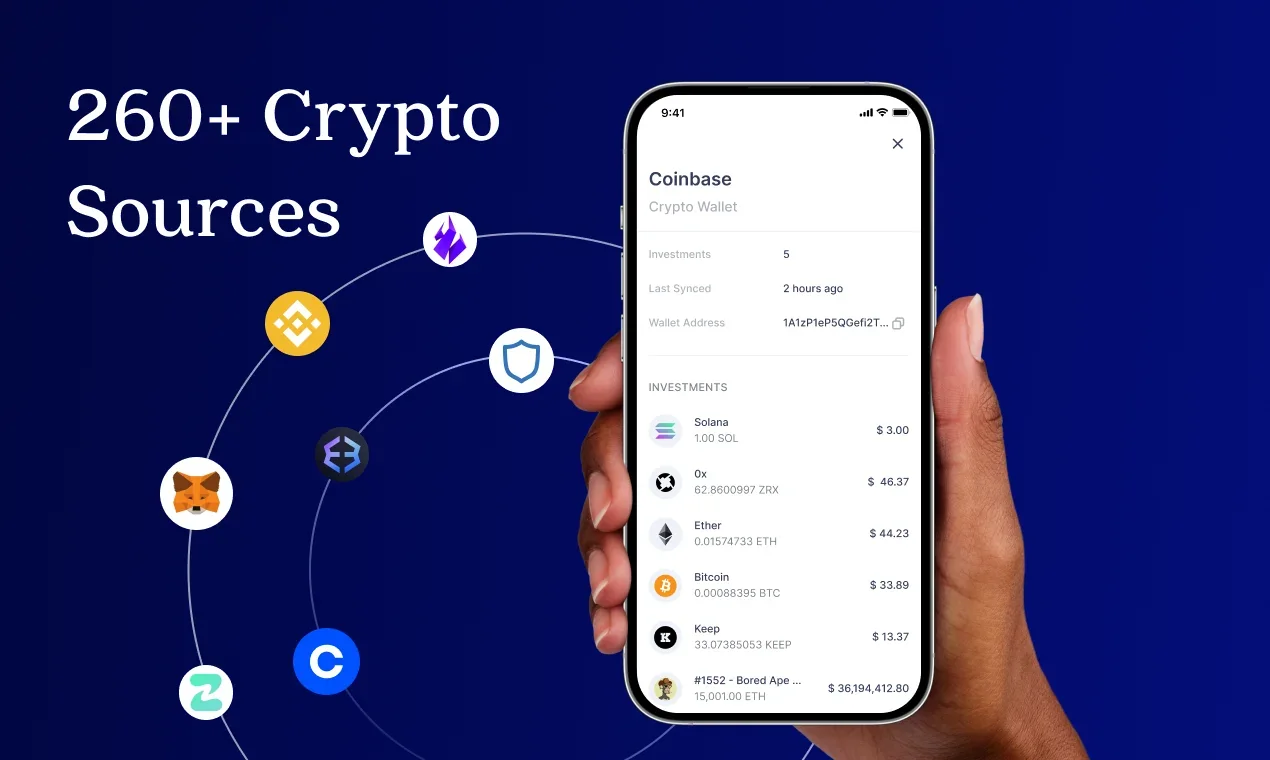
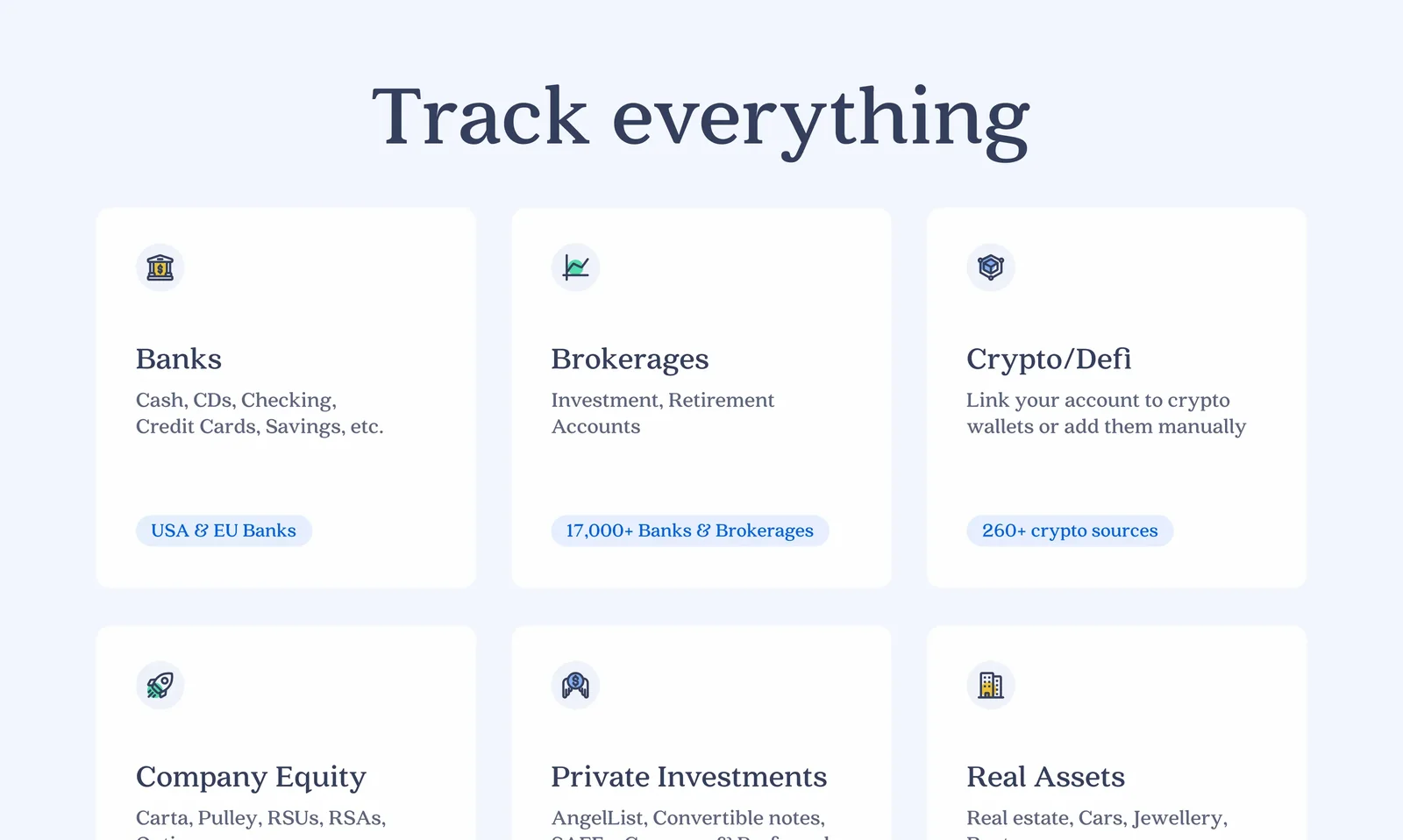
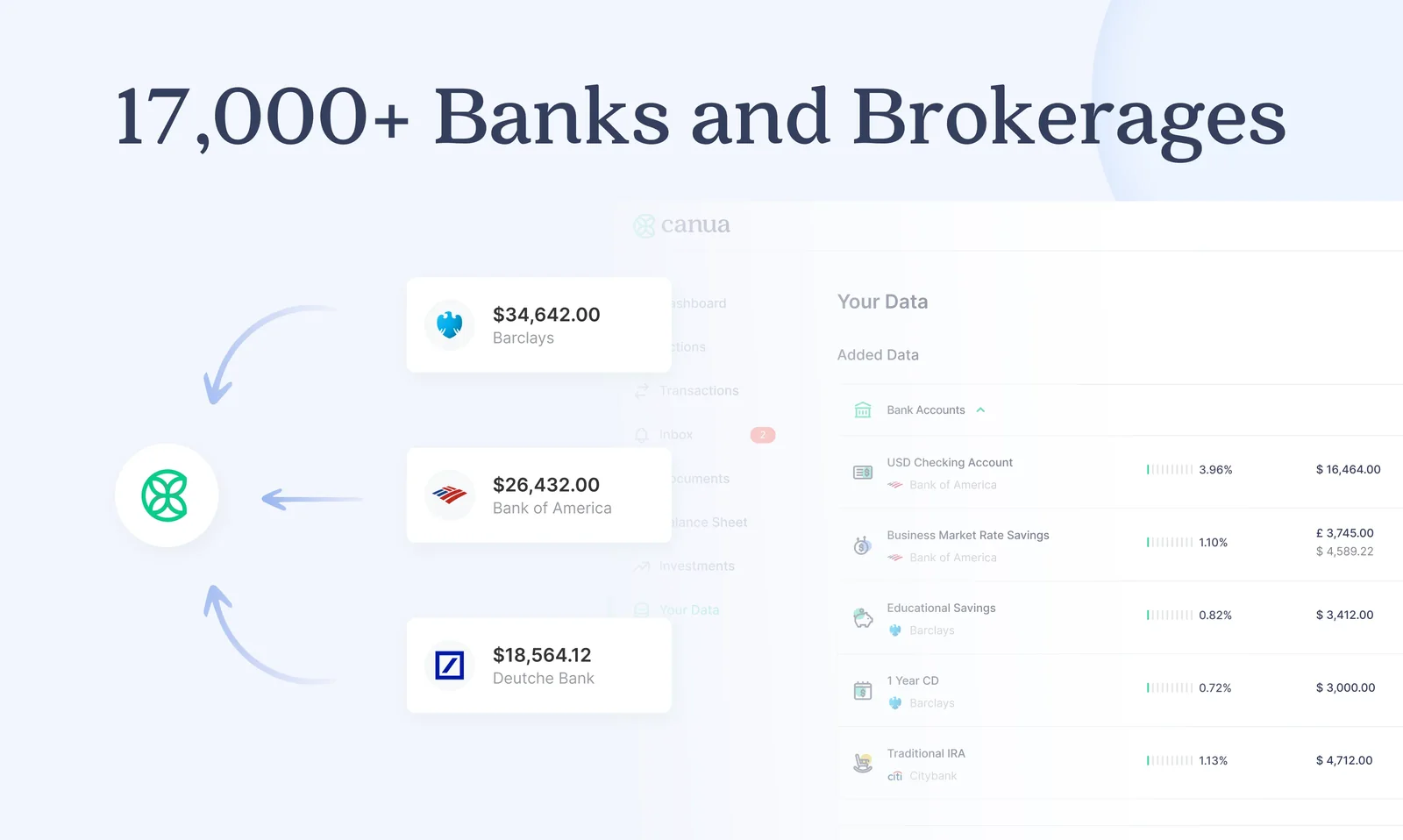
Social
The campaign that ran alongside the listing.
What I do now
Most AI projects are theatre. I help you build the ones that aren’t.
An AI Reality Check scores every idea on your roadmap and hands back three lists — what is real, what is theatre, and what is blocked. One week, fixed price.