Archive · Logistics
SaaS Inventory App for Tracking Stock & Sales
GearGarden — a comprehensive solution for effortless inventory management and sales tracking.
This is earlier work, kept here because people still find it. The role titles below describe each engagement at the time. Olively today is an AI product consultancy — if that is what you are after, start with the AI Reality Check or the readiness scorecard.
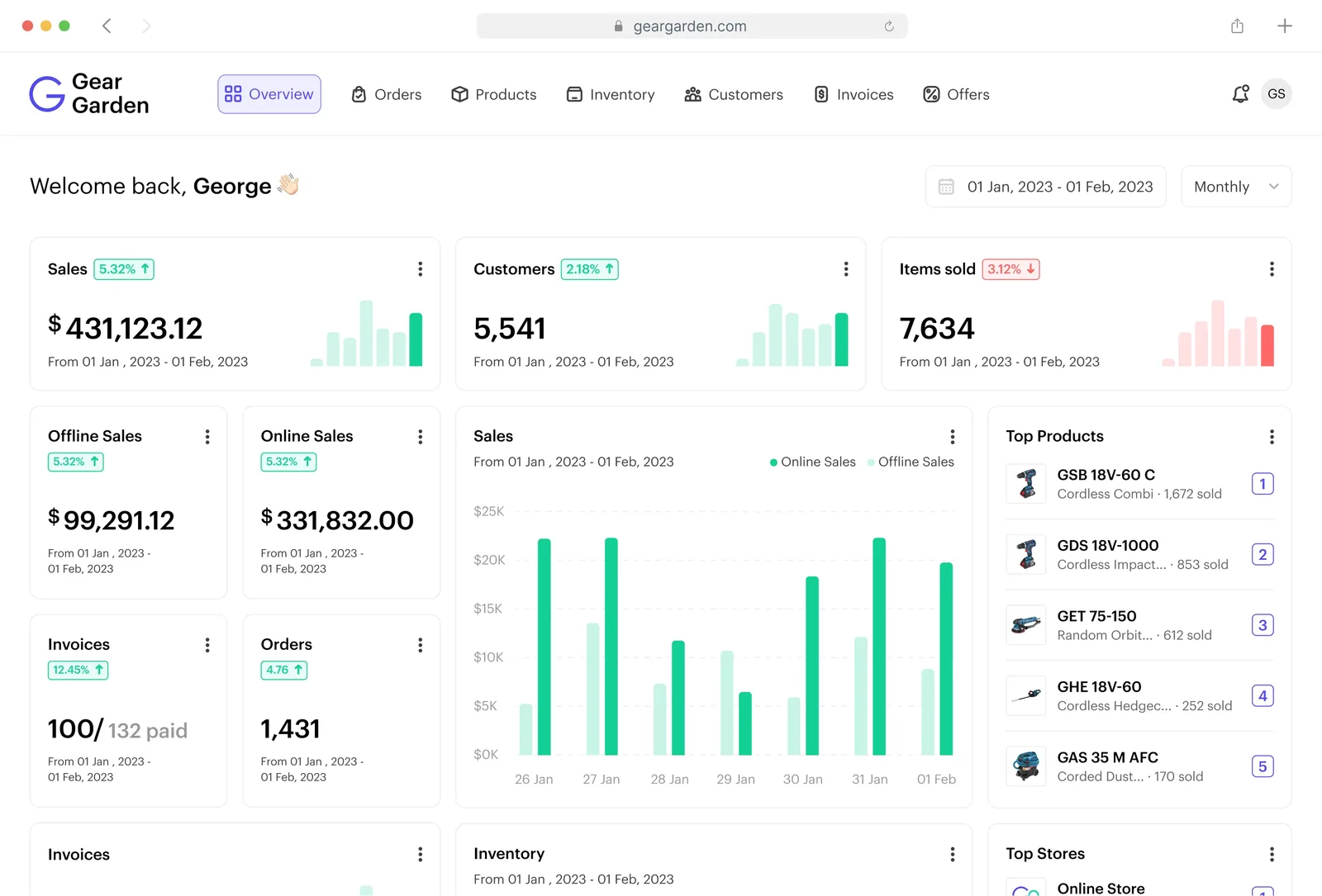
The problem
What the work was actually for.
Franchise businesses running both offline and online stores were held back by outdated inventory systems. Operating multiple stores across locations, manual processes produced inaccuracies, overstocking, stockouts and lost sales, and made restocking decisions guesswork.
GearGarden was built as the answer: a streamlined approach to inventory management that lets franchise gear stores optimise stock levels, cut operational waste and improve the bottom line.
The businesses ran offline and online stores at the same time, across multiple locations. Manual processes produced inaccuracies that compounded: stock counted in one place, sold in another, and reconciled at the end of a period when it was too late to act on.
The outcome
What actually changed.
Sales rose 4% after launch. The more useful result was operational: stock levels became visible across locations, so restocking stopped being guesswork and the overstocking and stockouts that had been eating margin became measurable rather than anecdotal.
The decisions
Three calls that shaped it.
Small features, tested before the next one started
Eight weeks split into four two-week cycles rather than one long build. Each cycle shipped one feature and validated it before anything else began, so a wrong assumption cost two weeks rather than eight.
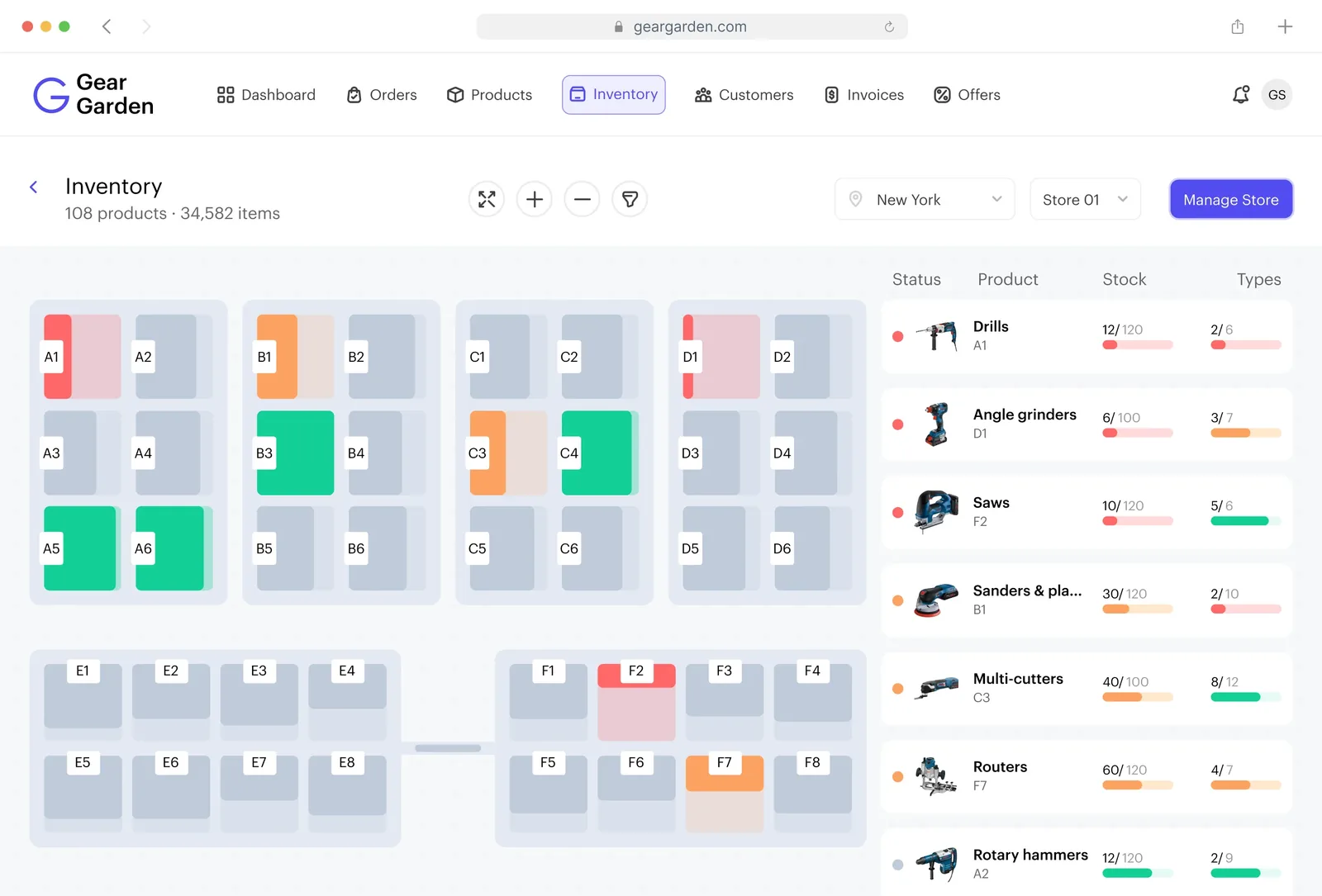
Stock visibility across locations, not per store
The franchise ran multiple stores and each had its own view of its own stock. Restocking decisions were being made without the one piece of information that mattered: what the other locations were holding.
Usability tests before each release, not at the end
Testing after a build tells you what you got wrong. Testing during it lets you change course while changing course is still cheap.
What was hard
The measurable sales lift was modest at 4%. The operational change was larger and harder to put a number on: overstocking and stockouts became visible, so they became arguable.
Worth pointing at
A few decisions that held up.
Restocking stopped being a guess
Stock levels became visible across locations rather than per store, which is the one piece of information a restocking decision actually needs and the one nobody had.
Overstocking and stockouts became measurable
Both were happening before. Neither was countable, so neither could be argued about with a number rather than an anecdote.
Six technical constraints, agreed up front
The build ran against known limits rather than discovering them mid-sprint, which is what allowed four two-week cycles to hold their shape.
The work
What it looked like.
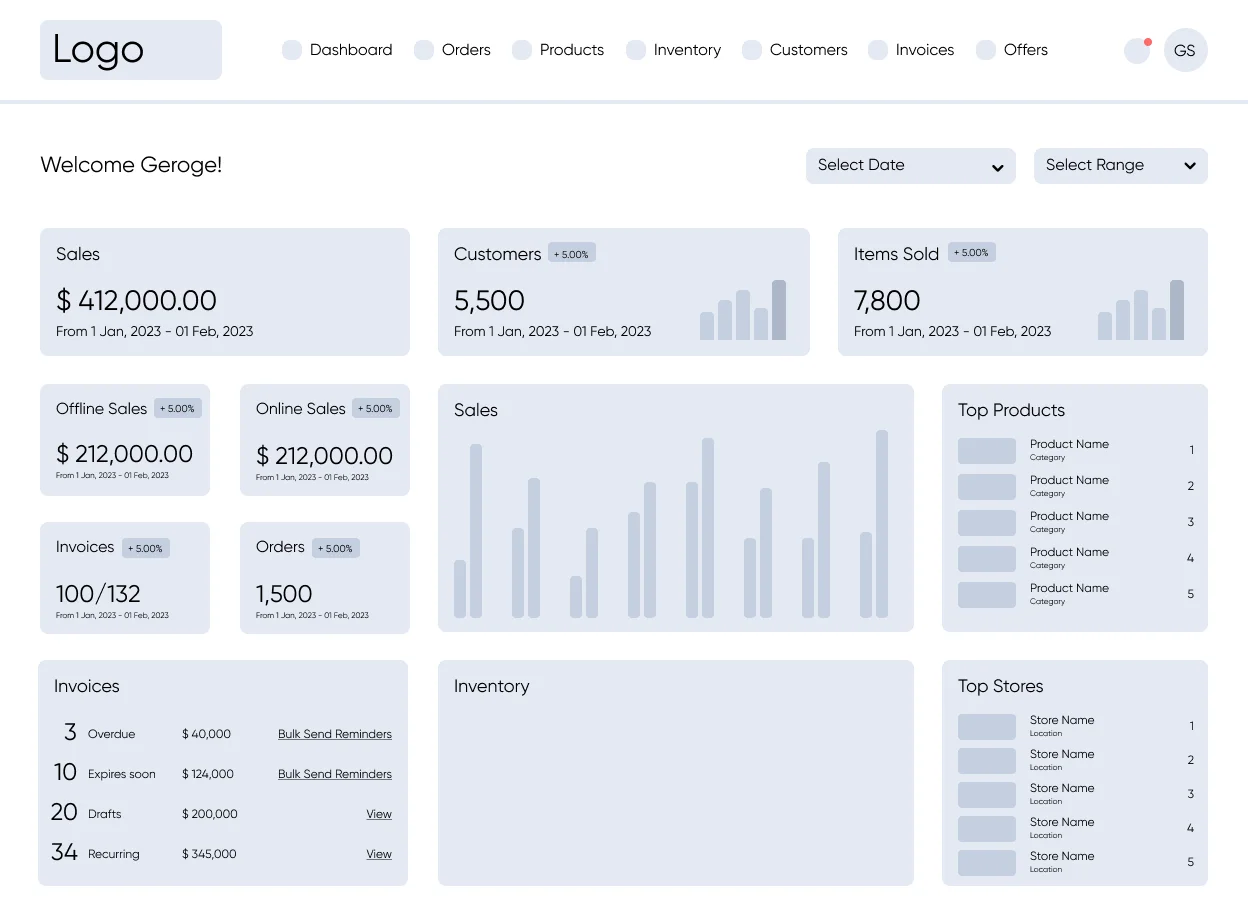
Low and mid fidelity wireframes
Wireframes came before any visual decisions, so the argument was about structure rather than about how it looked.

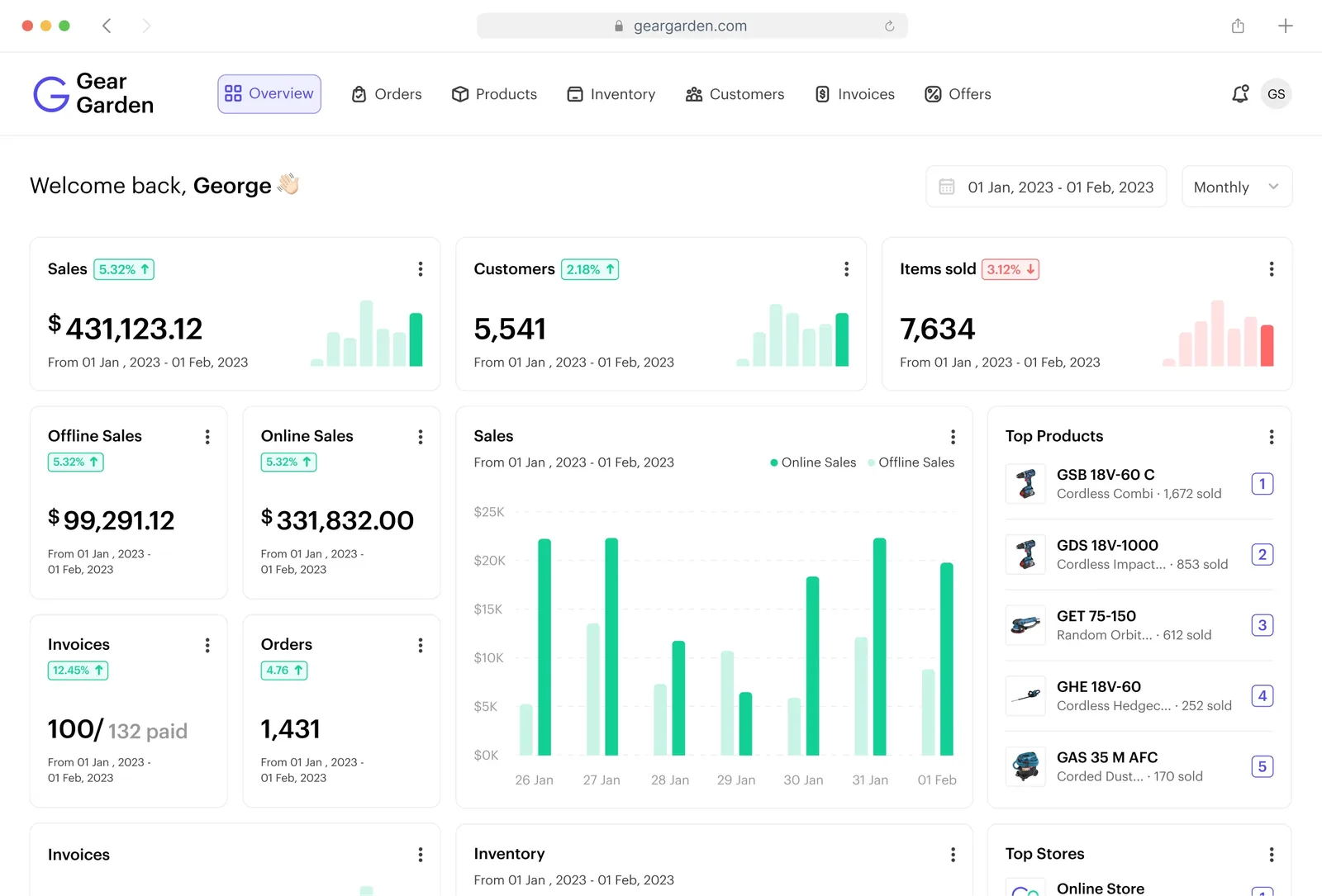
UI design
The dashboard had to answer one question on arrival — what needs restocking — before anyone went looking for detail.
What I do now
Most AI projects are theatre. I help you build the ones that aren’t.
An AI Reality Check scores every idea on your roadmap and hands back three lists — what is real, what is theatre, and what is blocked. One week, fixed price.