Archive · ML
Landing page for a machine learning startup
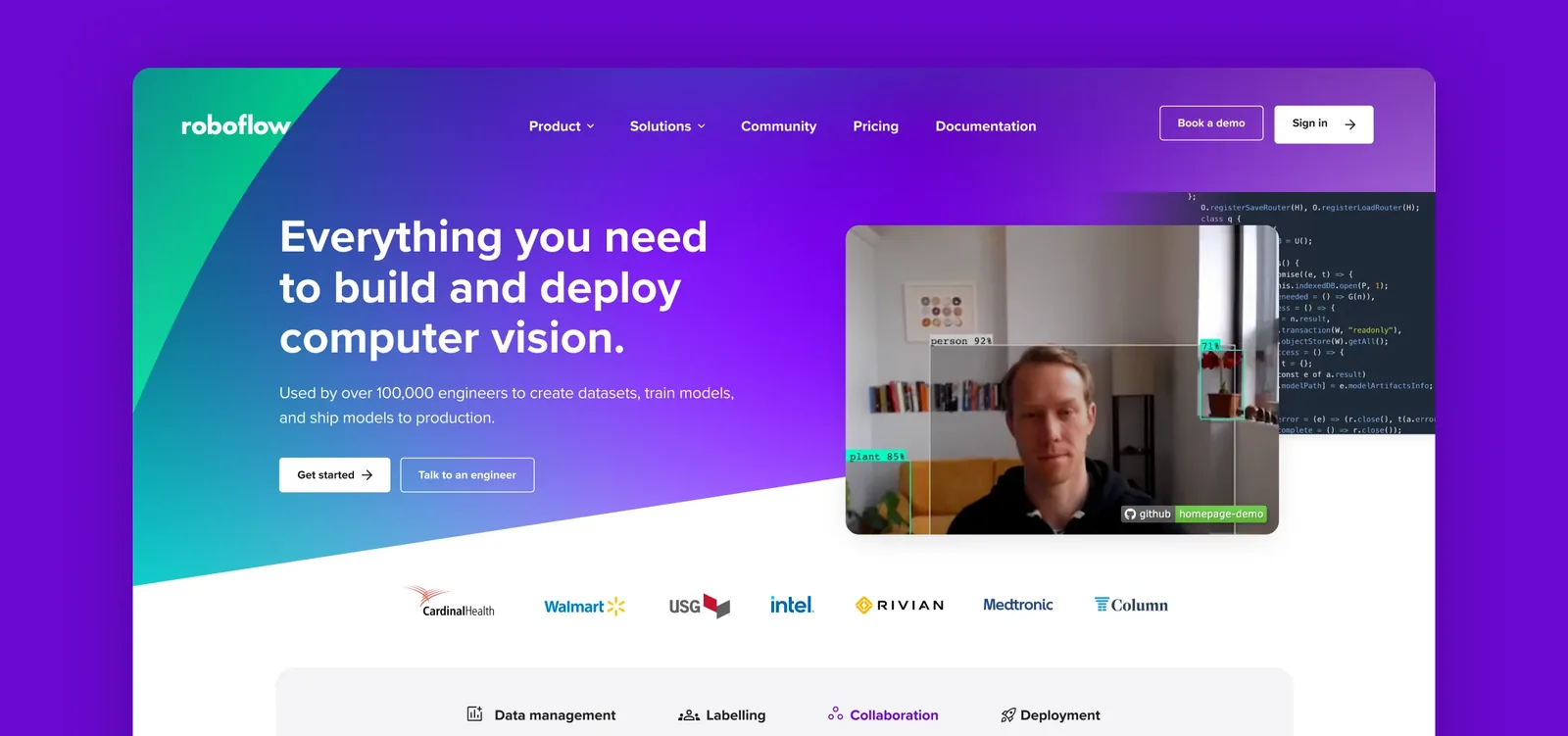
A landing page redesign for Roboflow, the platform for building computer vision applications end to end.
The problem
What the work was actually for.
Roboflow simplifies AI model development — managing data, training models and deploying computer vision systems at scale. The platform is genuinely technical, and its audience ranges from engineers who want the detail to buyers who want the outcome.
Roboflow manages data, trains models and deploys computer vision systems at scale. That is three distinct products to a technical reader and one capability to a commercial one, and the page had to hold both readings without collapsing into either.
The redesign had to serve both without patronising either, and had to make an abstract pipeline feel concrete enough to act on.
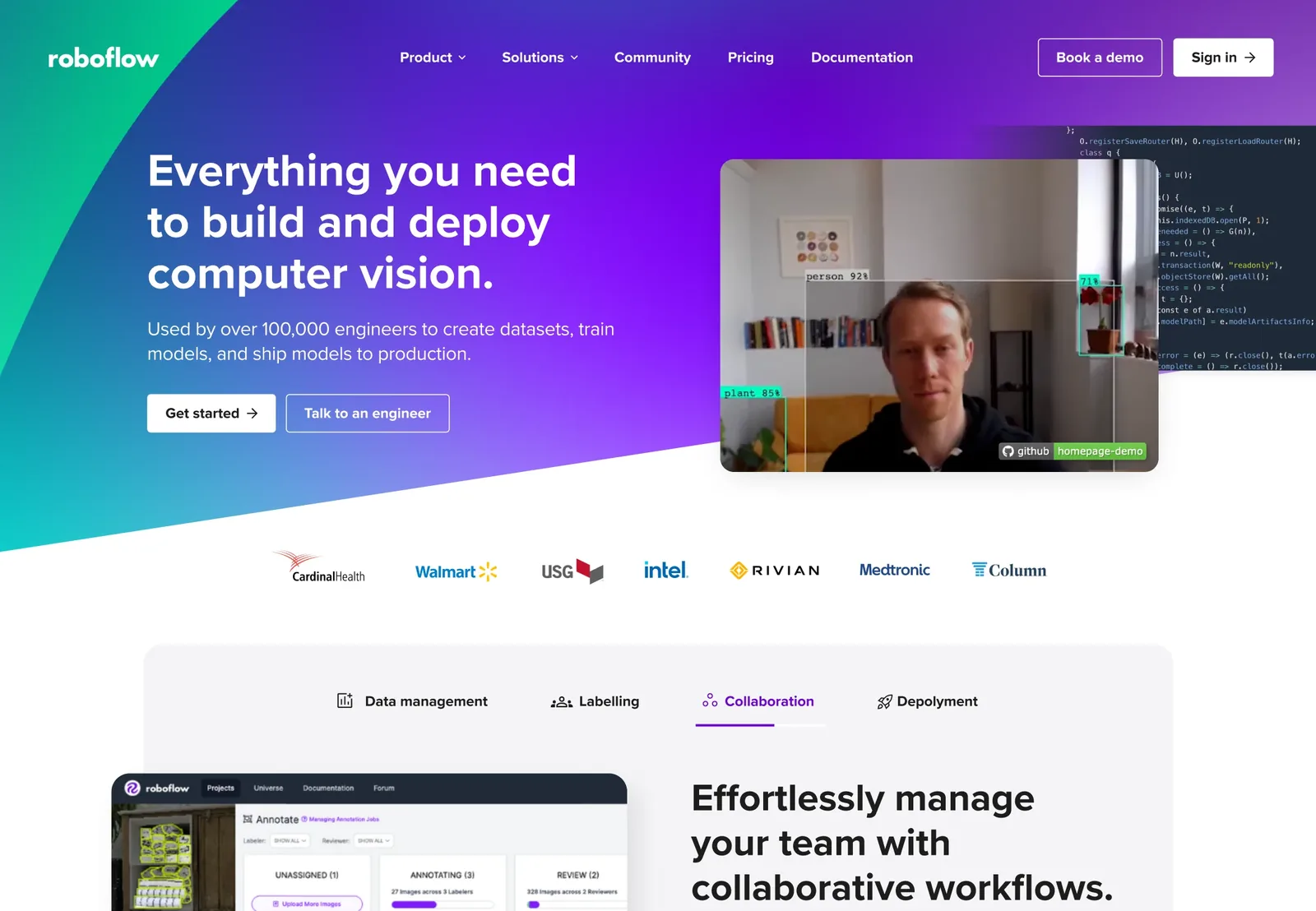
The existing page described what the platform could do. For a computer vision company that is a missed opportunity, because the technology is inherently visual — the product can be shown working in a way most software cannot.
The outcome
What actually changed.
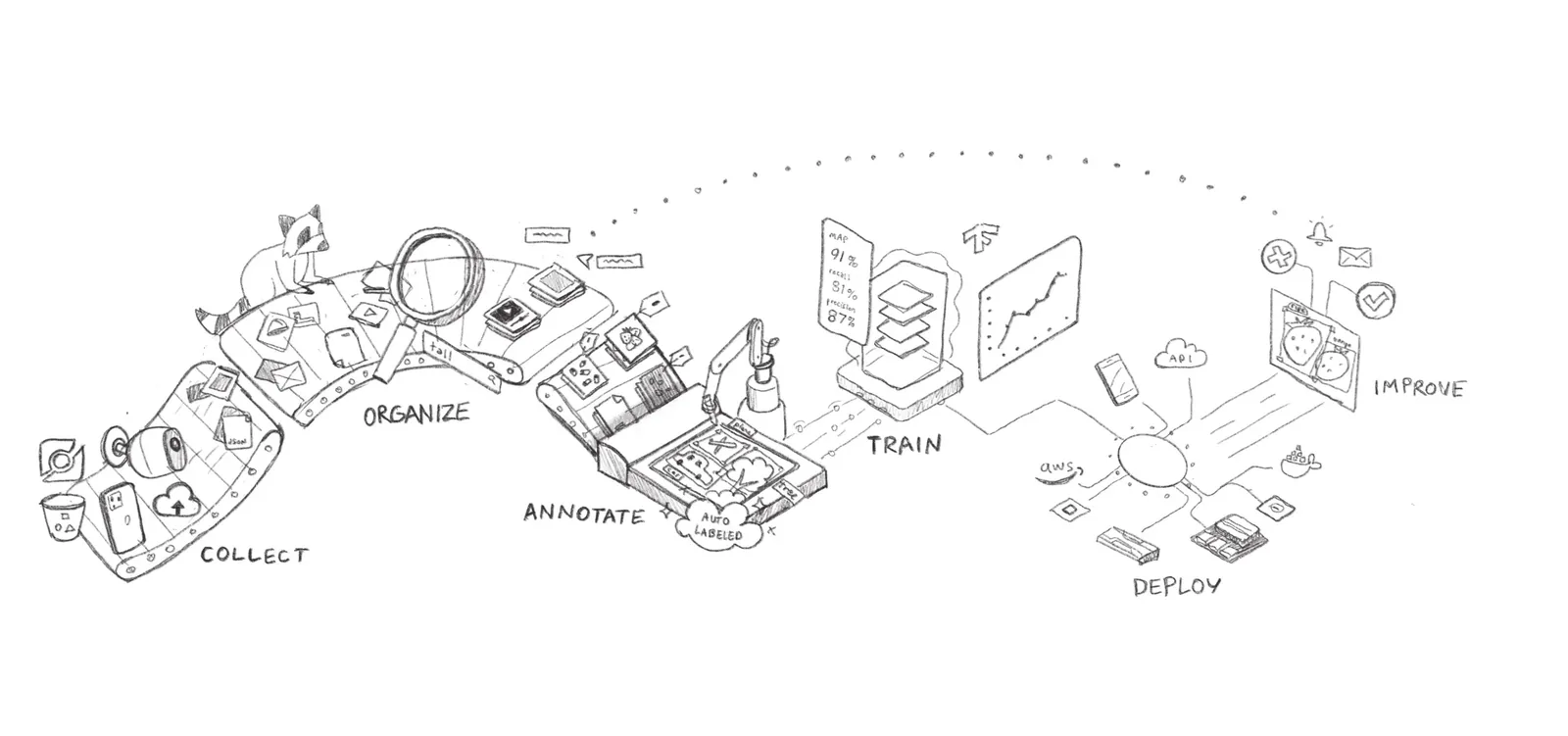
An end-to-end design vision the team could build from, with the model pipeline turned into something a visitor can watch rather than read about. For a computer vision company, showing the product work is the argument.
The decisions
Three calls that shaped it.
Sketch the message before the layout
What the page needed to say, and in what order, agreed before anything was designed. Structure before surface.
Annotate the wireframes with the reasoning
The argument for each section travelled with the layout, so a review was about the logic rather than the boxes.
Show the pipeline running
For a computer vision company, listing what the platform supports is a missed opportunity. The core interaction shows the model pipeline working.
What was hard
The audience splits between engineers who want the detail and buyers who want the outcome. Serving both without patronising either is the constraint that shaped every section.
Worth pointing at
A few decisions that held up.
Annotations that carry the argument
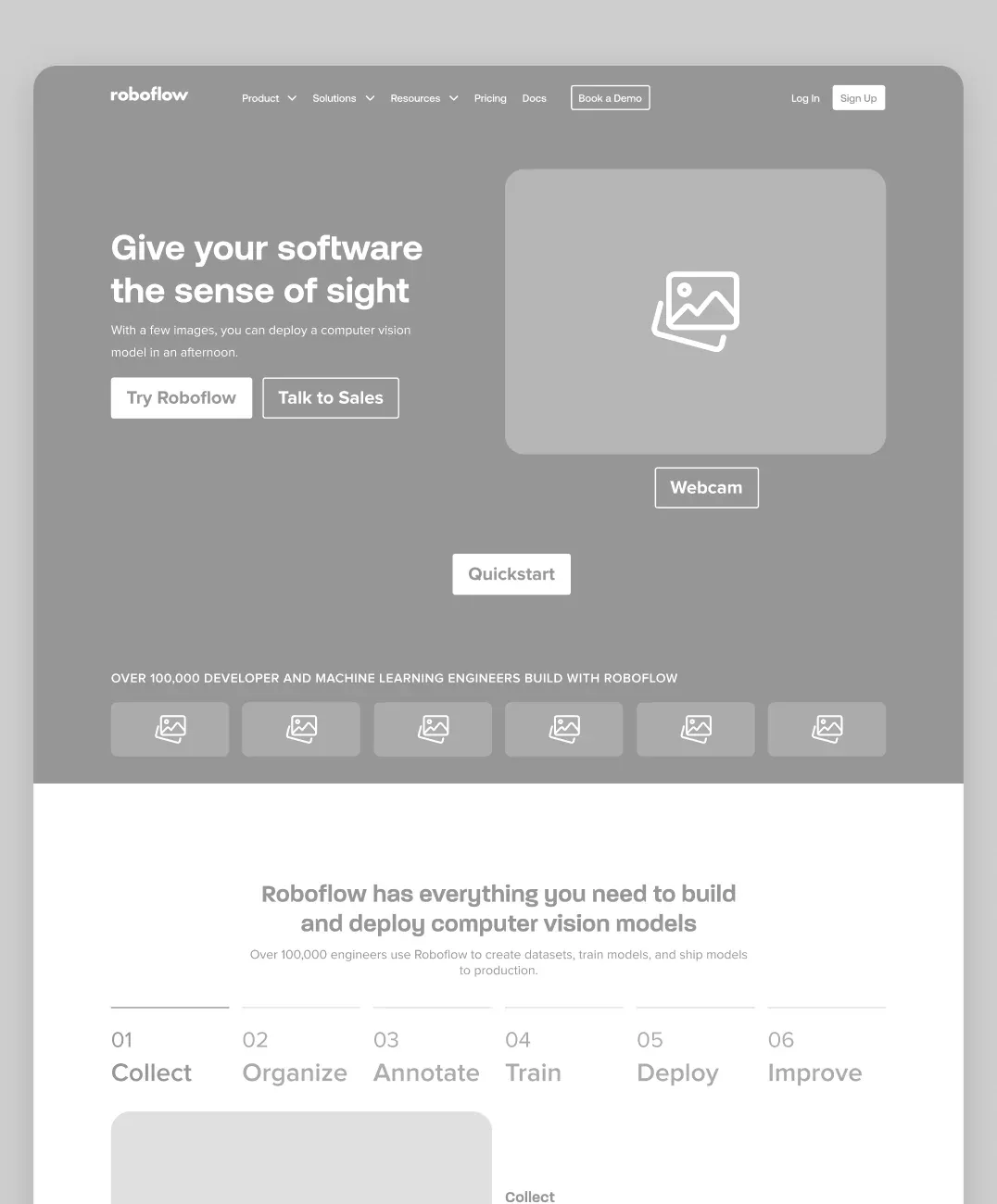
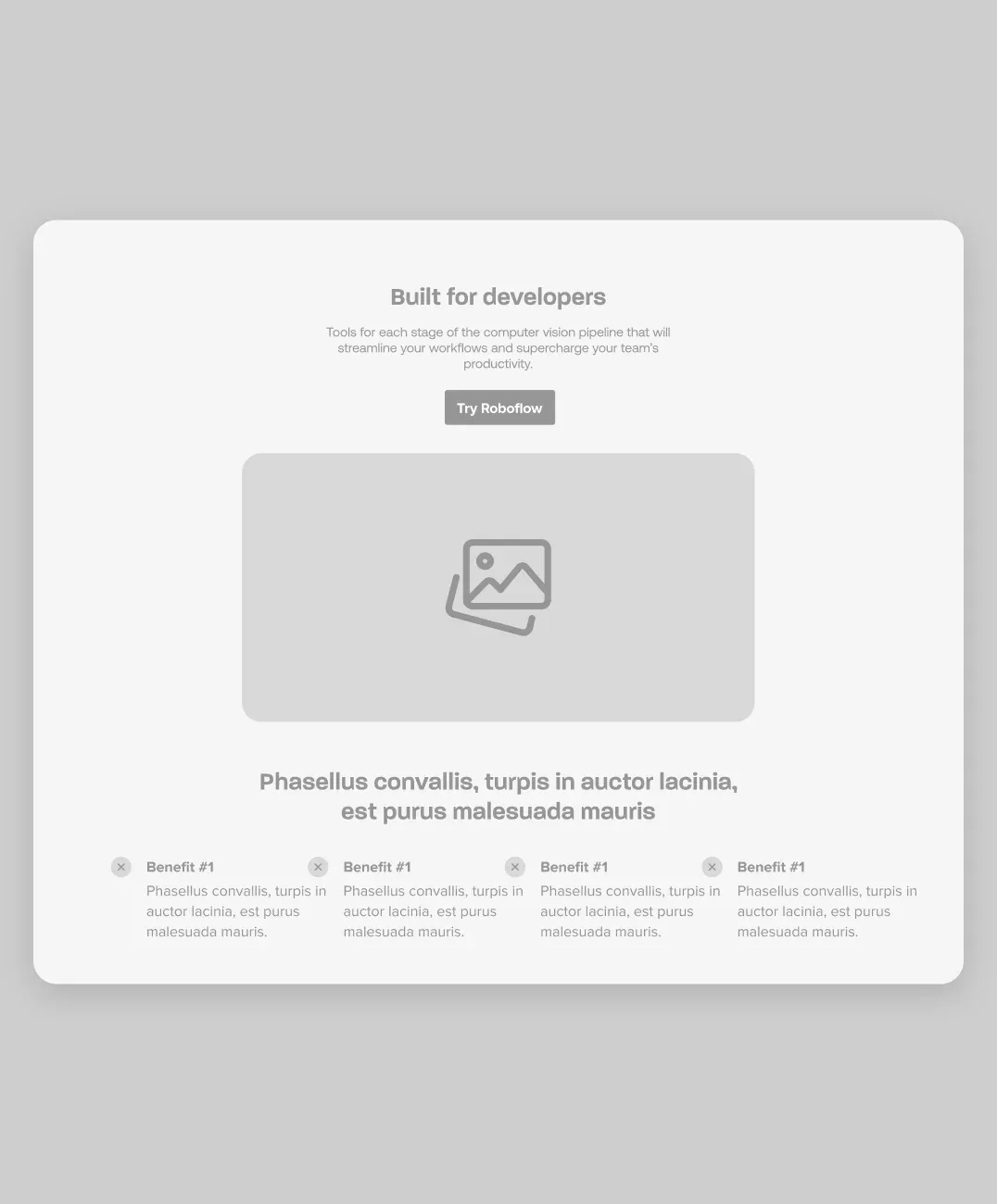
Wireframes were marked up with the reasoning behind each section, so a review discussed the logic rather than the boxes. A wireframe without its reasoning is just a layout waiting to be argued about on taste.
An end-to-end vision, not a set of screens
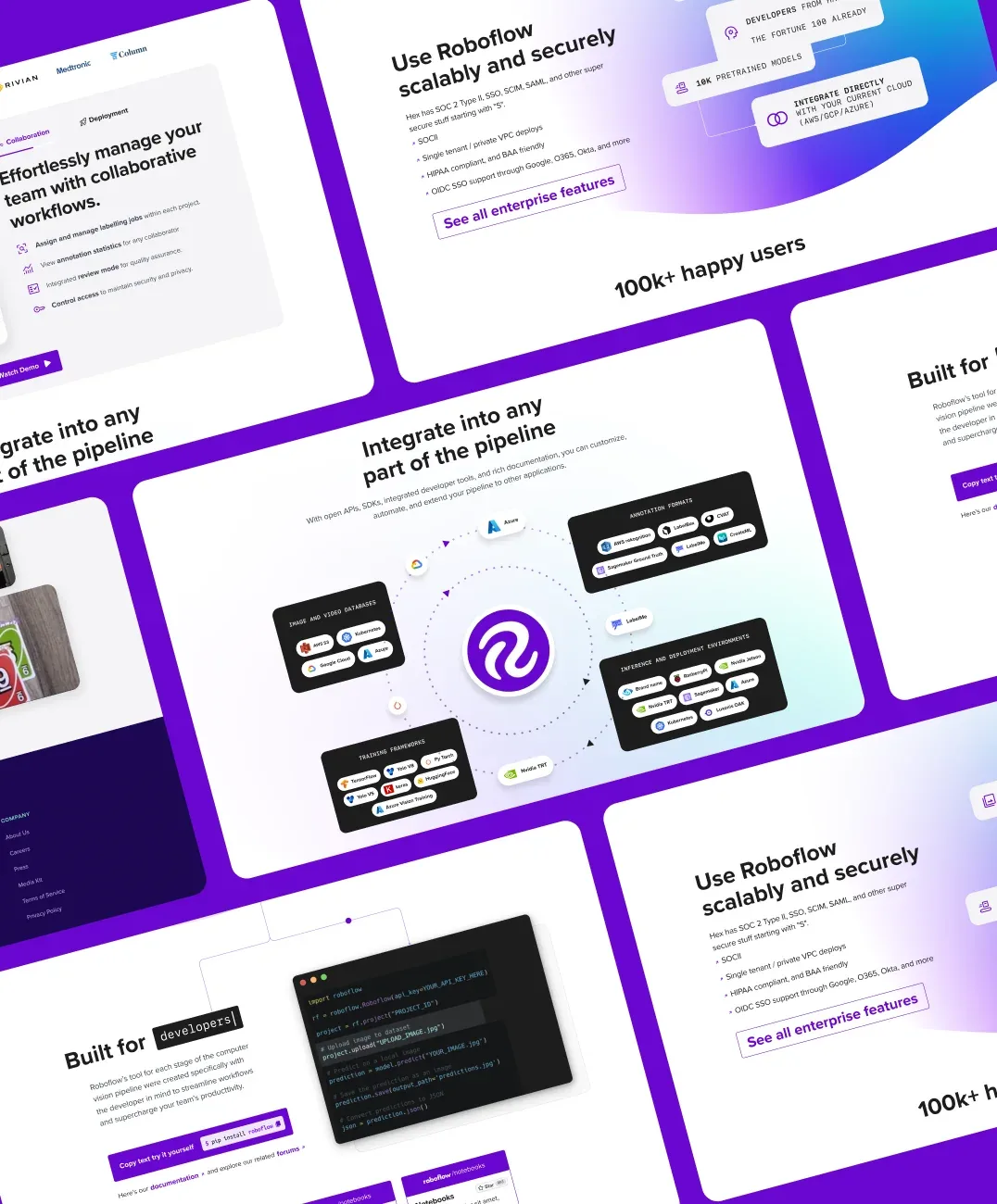
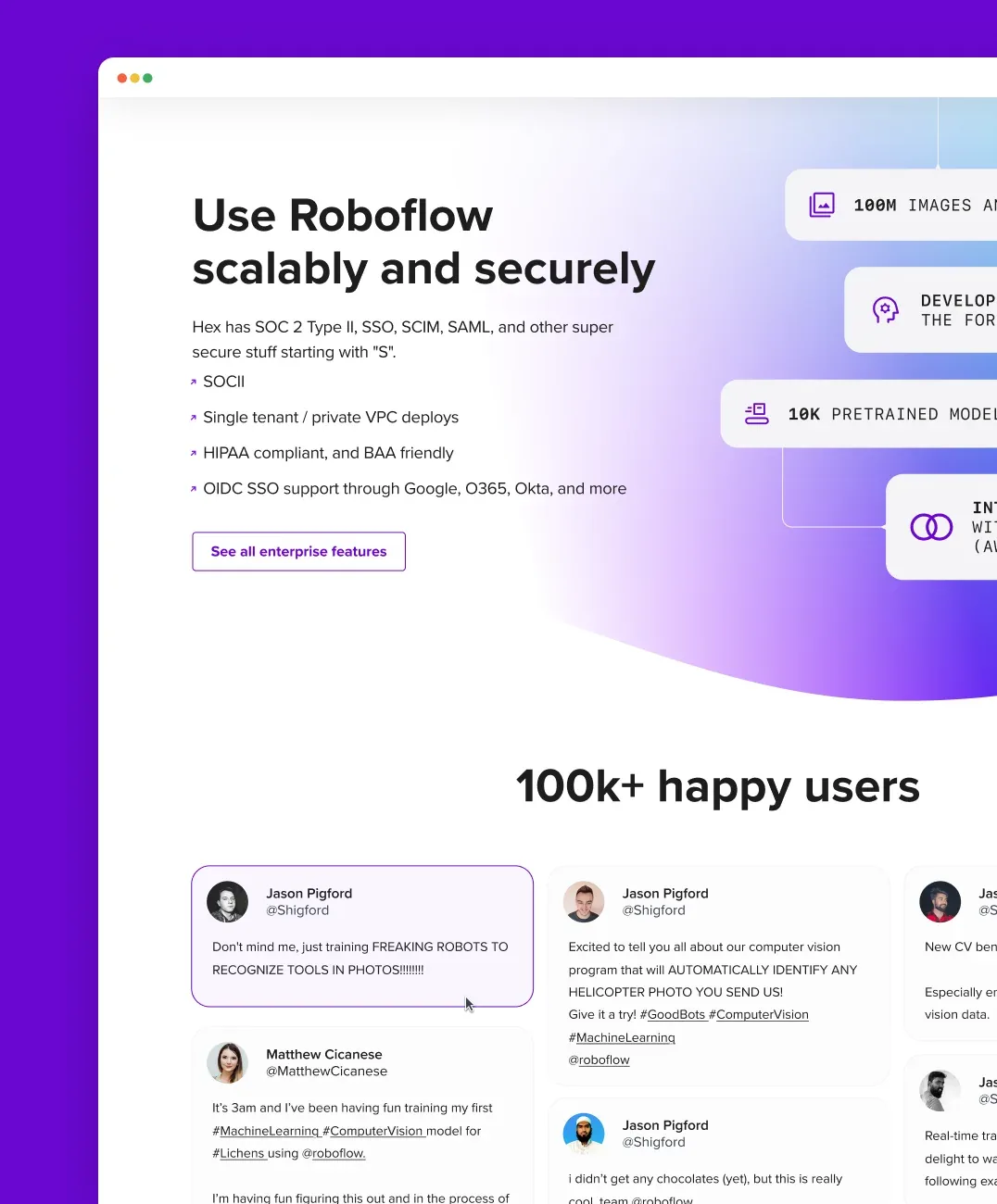
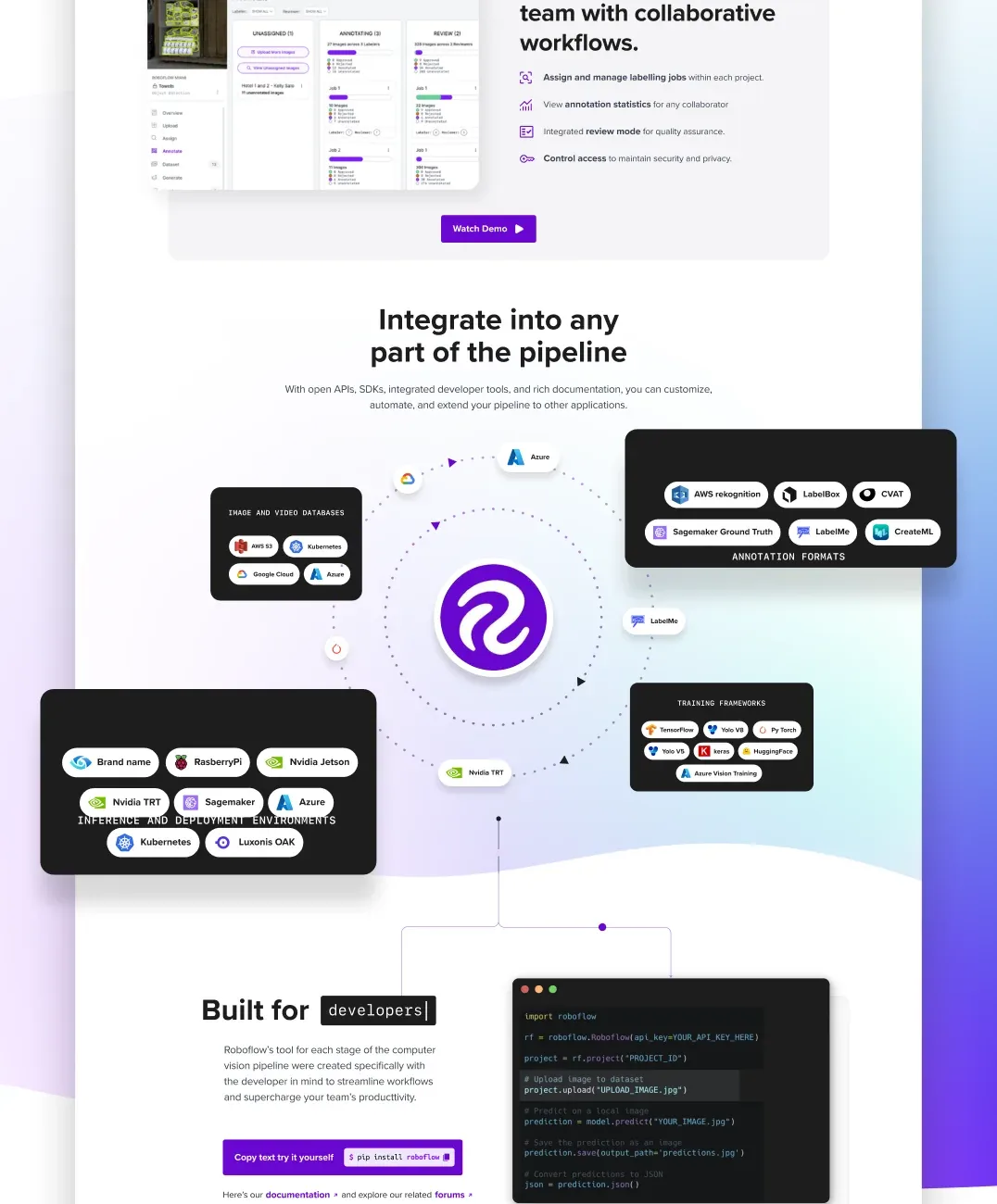
The high-fidelity work covered the whole page as one artefact, so the team could see how the sections held together rather than approving them one at a time.
The pipeline shown running
Managing data, training models and deploying at scale is the product. The core interaction demonstrates that sequence rather than listing it.
Two audiences on one page
Engineers want the detail and buyers want the outcome. The structure serves both by ordering the page so each can stop reading where their interest ends.
The work
What it looked like.
The work
Structure first, then surface. The annotations exist because a wireframe without reasoning is just a box diagram.

What I do now
Most AI projects are theatre. I help you build the ones that aren’t.
An AI Reality Check scores every idea on your roadmap and hands back three lists — what is real, what is theatre, and what is blocked. One week, fixed price.