Archive · Fintech
Fintech landing page optimisation
Two landing pages, two propositions and six test cases for Canua — including one test that disproved the thing we expected to be true.
This is earlier work, kept here because people still find it. The role titles below describe each engagement at the time. Olively today is an AI product consultancy — if that is what you are after, start with the AI Reality Check or the readiness scorecard.
The problem
What the work was actually for.
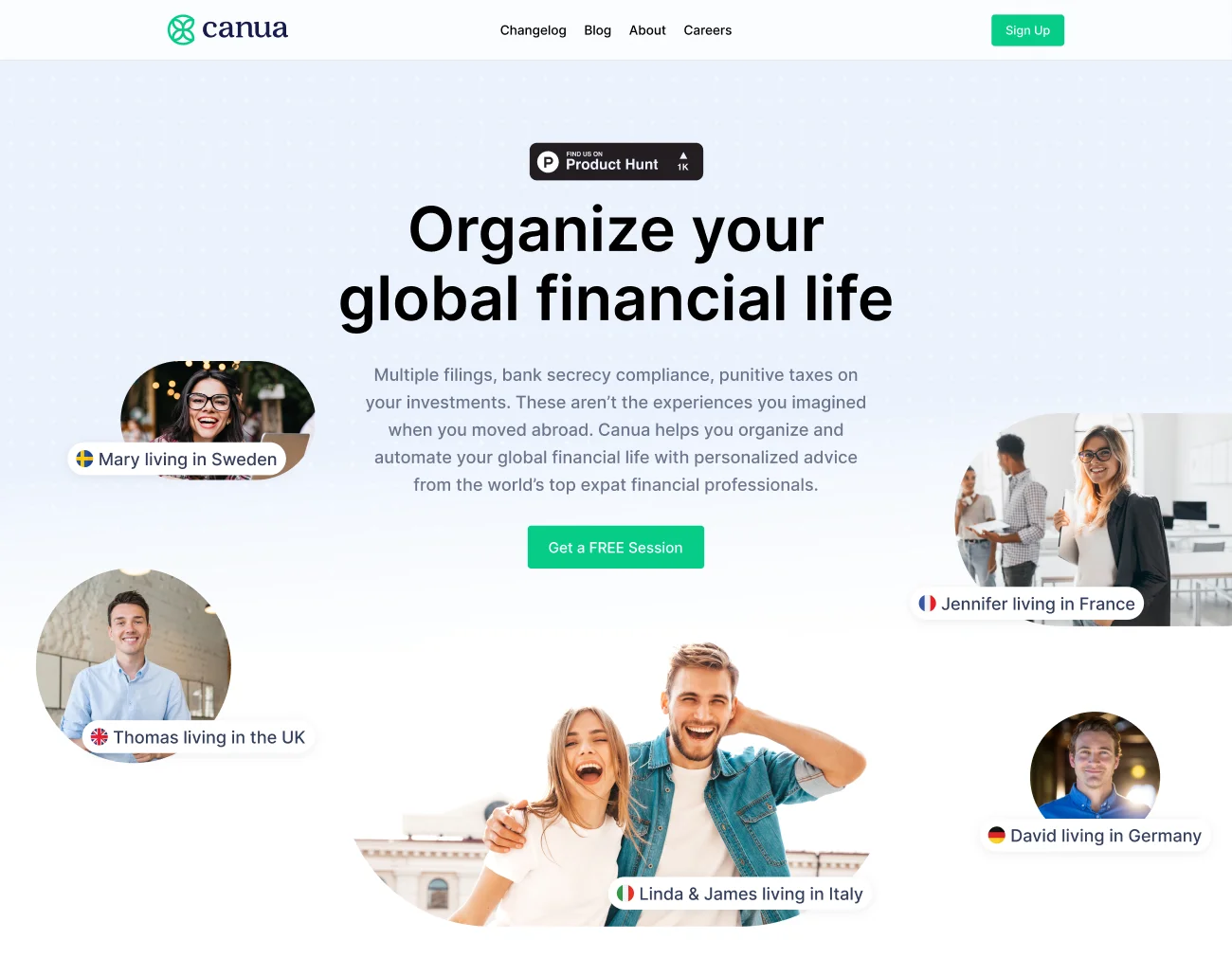
The goal was registrations, and the approach was to stop guessing which message worked. Two landing pages ran against each other: Flow A offered free FBAR filing, Flow B offered free financial advice from experts.
Both fed into onboarding, ads were built and tested for Google and social, and everything was measured in PostHog rather than argued about.
The outcome
What actually changed.
Onboarding conversion rose 36%, measured with an average of 460 participants per test. The more valuable result was the negative one: the benefit questionnaire we expected to help was actively costing registrations, and only a test would have shown that.
The decisions
Three calls that shaped it.
Run two propositions against each other
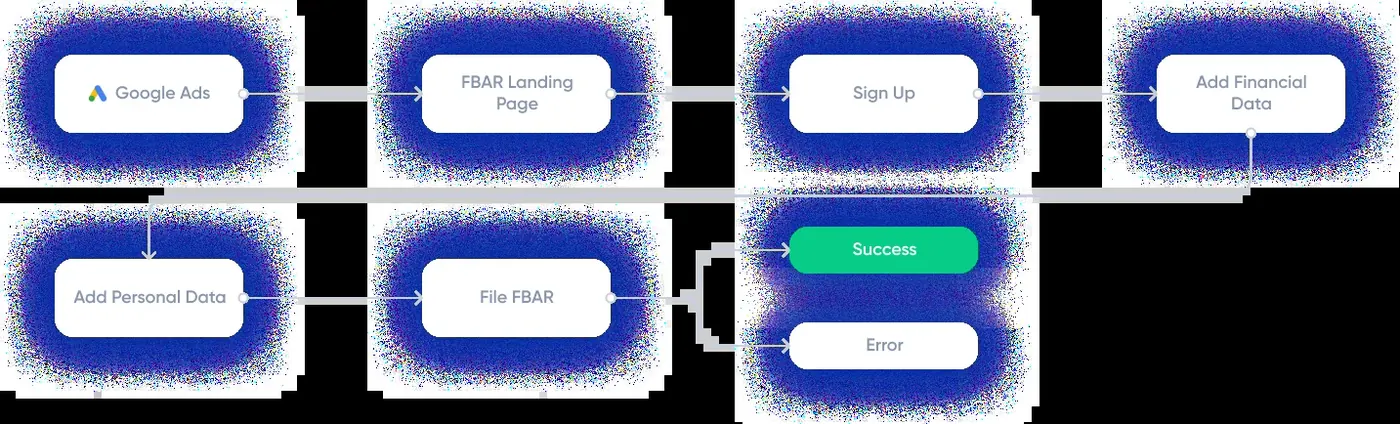
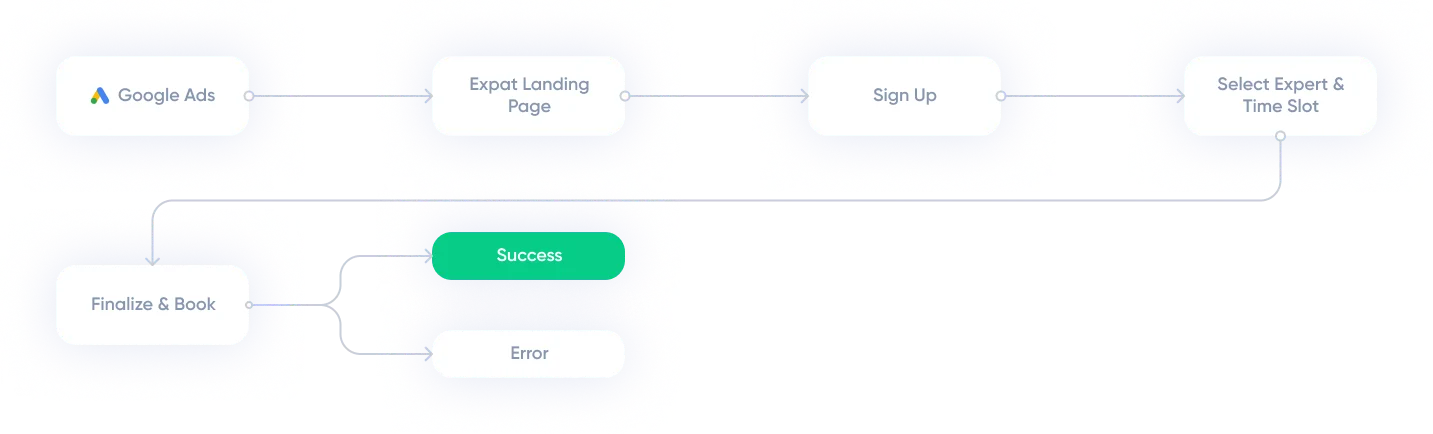
Rather than choose a message in a meeting, Flow A offered free FBAR filing and Flow B offered free financial advice. Both were built, both were measured.
Remove the benefit questionnaire from sign-up
The test that mattered. We expected priming users with benefits to raise registrations. It lowered them, and conversion rose significantly once the questionnaire was taken out.
Keep only the ads that converted
Advertisements were tested across several dimensions and the ones that underperformed were dropped rather than defended.
What was hard
The headline finding was a disproved hypothesis, not a win. Priming by benefit only works when the user can try the feature immediately and the product delivers what was promised — otherwise it sets an expectation you then fail.
Worth pointing at
A few decisions that held up.
The questionnaire was costing registrations
We wanted to know whether priming users with benefits at sign-up made them more willing to register. It did the opposite — conversion rose significantly when the benefit-oriented questionnaire was removed from registration.
Priming only works if the benefit is immediate
Emphasising benefits up front backfires unless the user can try the feature straight away, and unless the product actually delivers what was promised. Otherwise you have set an expectation you then fail.
Onboarding length depends on the category
Longer onboarding is not automatically worse. Where the real-world equivalent involves a preparation stage — learning software, for instance — users tolerate it. For a tax filing tool, they do not.
Only high-converting ads survived
Advertisements were tested across several dimensions and the ones that did not convert were dropped rather than defended.
The work
What it looked like.
The flows
Two propositions, run against each other rather than chosen in a meeting. A promises free FBAR filing; B promises free financial advice.
The visuals
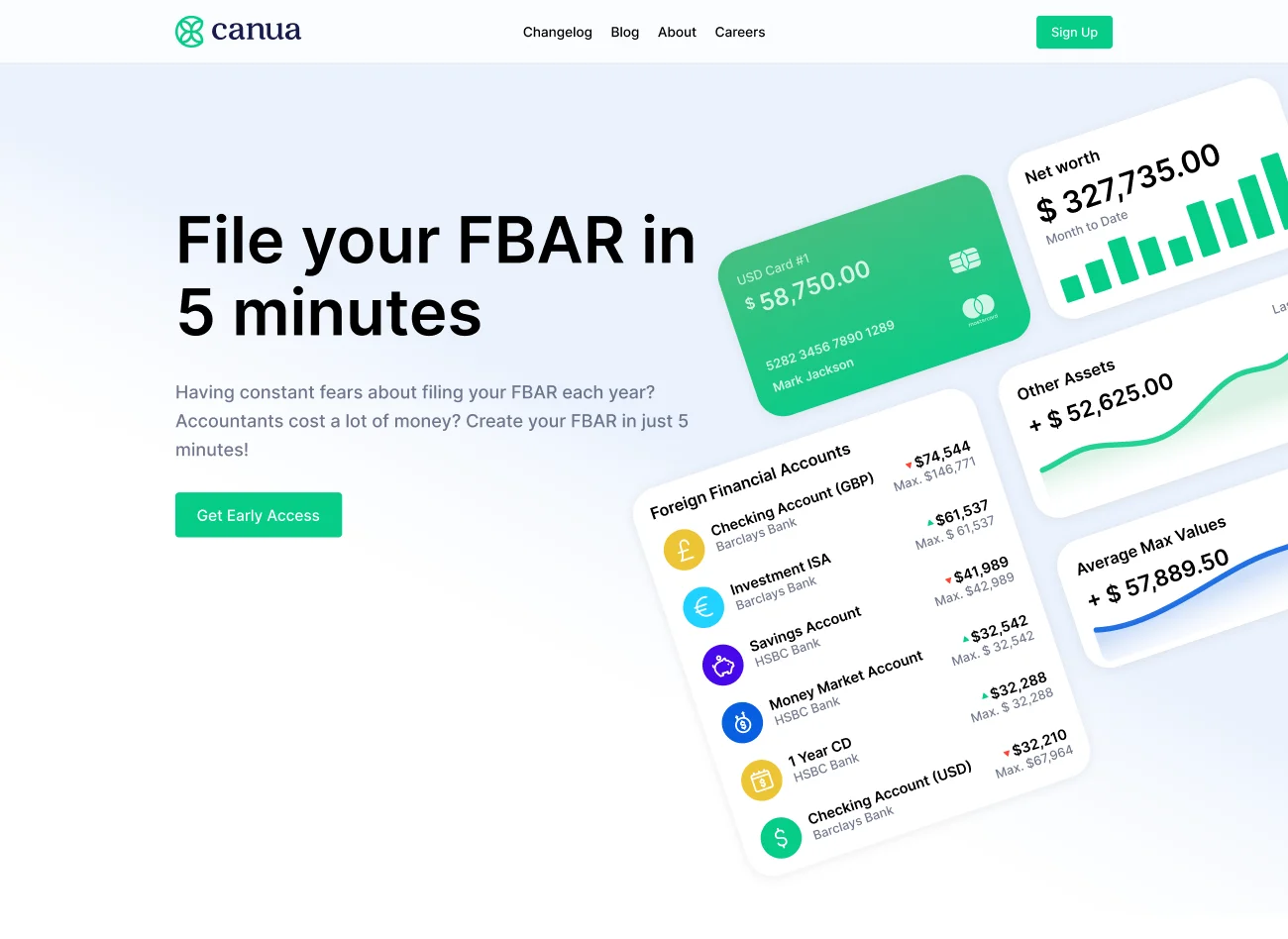
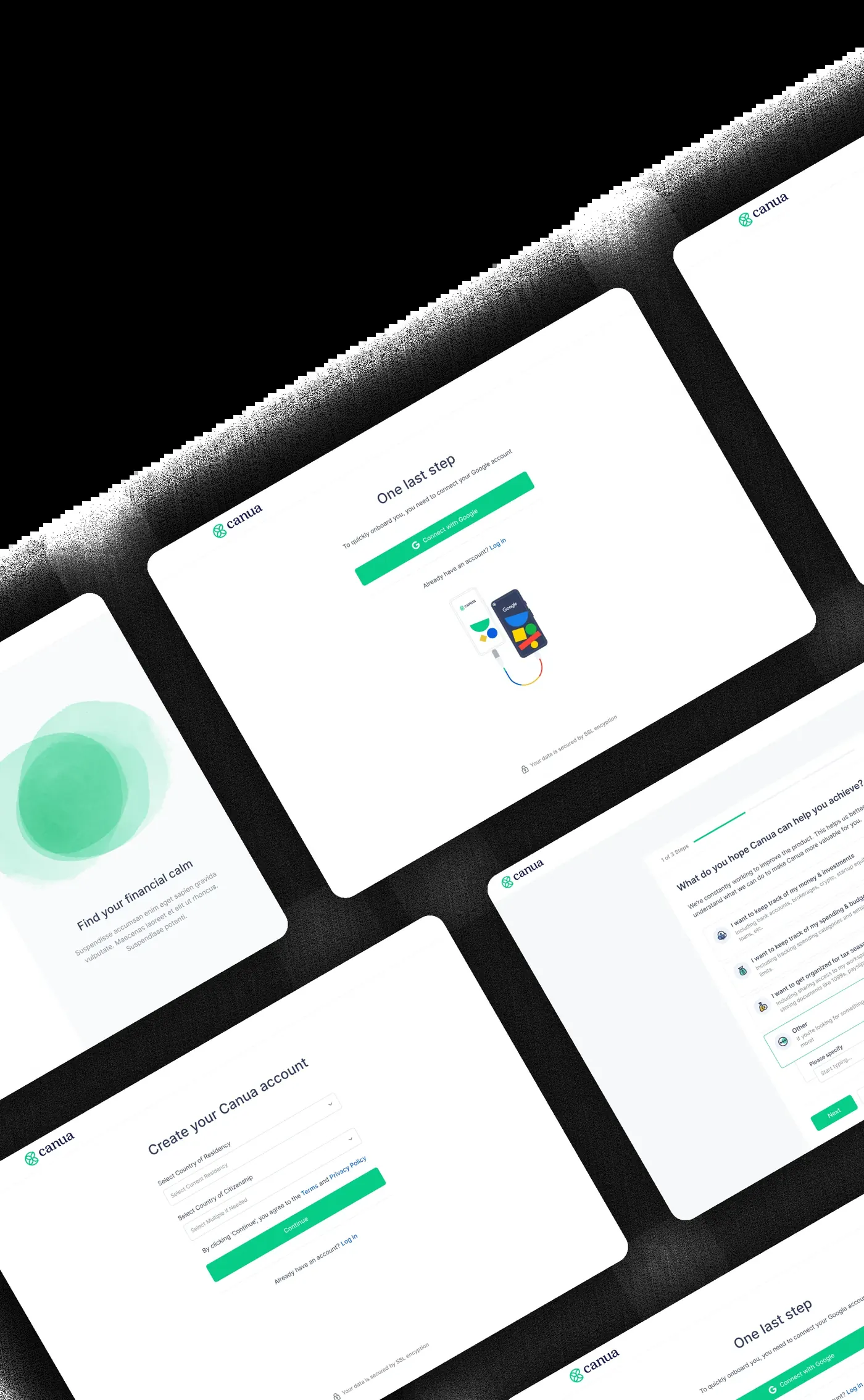
Landing pages, sign-up and onboarding — the whole path from ad click to registered user.
Ads
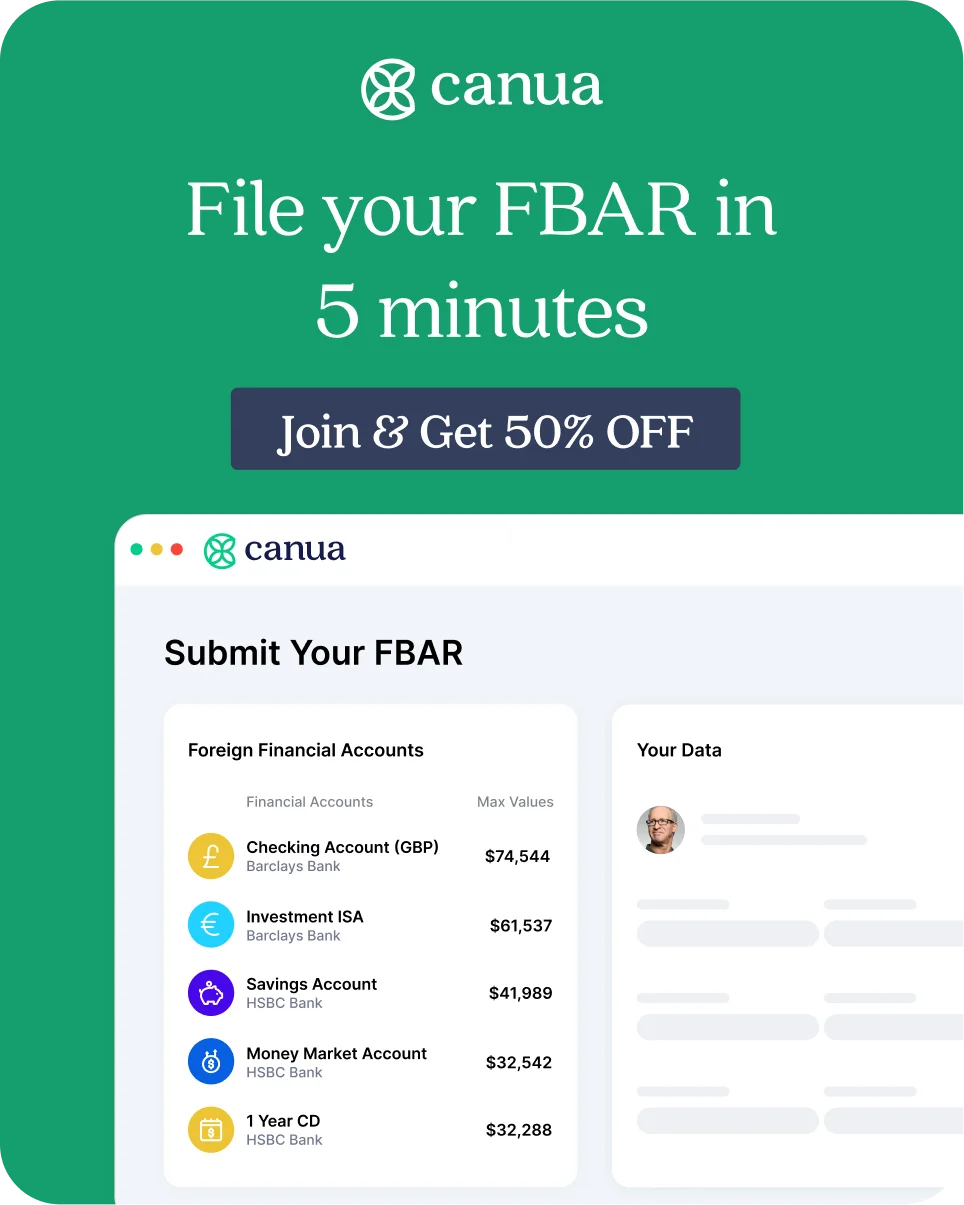
Built for Google and social, tested across several dimensions, and pruned to the ones that converted.


Results
Multivariate, in PostHog, averaging 460 participants per test.

What I do now
Most AI projects are theatre. I help you build the ones that aren’t.
An AI Reality Check scores every idea on your roadmap and hands back three lists — what is real, what is theatre, and what is blocked. One week, fixed price.