Making Remote Work Work for Your Digital Startup During Recession
What changes when budgets tighten and the team is distributed.

As a business owner handling digital products, the key to sustaining and growing your startup lies in effectively harnessing the power of remote work during these turbulent times. This article explores essential strategies to make remote work feasible and advantageous for your digital startup amid a recession.
1. Embracing the Blended Workforce Model
In the wake of economic uncertainty, the traditional employment model is evolving. Integrated "blended" teams comprising full-time and independent workers are becoming the norm. This approach offers flexibility and agility, allowing your startup to tap into specialized skills without the constraints of a traditional office setup.
2. Working in the Hiring Challenges
The Great Resignation has reshaped the hiring landscape, making adapting to the changing dynamics key. Emphasize skills and experience over formal education, as evidenced by 80% of tech leaders willing to hire candidates without a college degree. Investing in traditional career growth and upskilling programs can attract top talent while addressing the challenges of filling critical roles during a recession.
3. Using Freelancers in Times of Uncertainty
Freelancers and independent workers are emerging as critical assets during economic uncertainty. Over 70% of tech founders and executives believe that bringing on freelancers enhances business agility. This workforce flexibility allows startups to quickly onboard specialized talent and protect existing teams from layoffs.

Using Freelancers for Startups. Original image: Toptal.com
4. Blurring Boundaries with Blended Teams
The rise of remote work has facilitated the integration of freelancers and independent workers into blended teams with full-time employees. This approach enhances collaboration and responsiveness, with 73% of tech companies already adopting integrated teams and 11% planning to do so soon.
5. Adapting Downturn Strategies for Growth
Despite caution from venture capitalists, startups are actively pursuing fundraising, focusing on long-term organizational health. Prioritize revenue growth while maintaining a keen awareness of employees' and leaders' mental health concerns. Adaptation is critical, as demonstrated by successful companies that emerged from economic downturns by innovating their strategies and operations.
6. Operational Efficiency
Optimizing operations matters for startups launching during a recession. Learn from successful startups like Slack, which thrived by focusing on user-friendly platforms and streamlining workflows through automation. Implementing cost-effective measures and minimizing manual work can enhance your startup's operational efficiency.
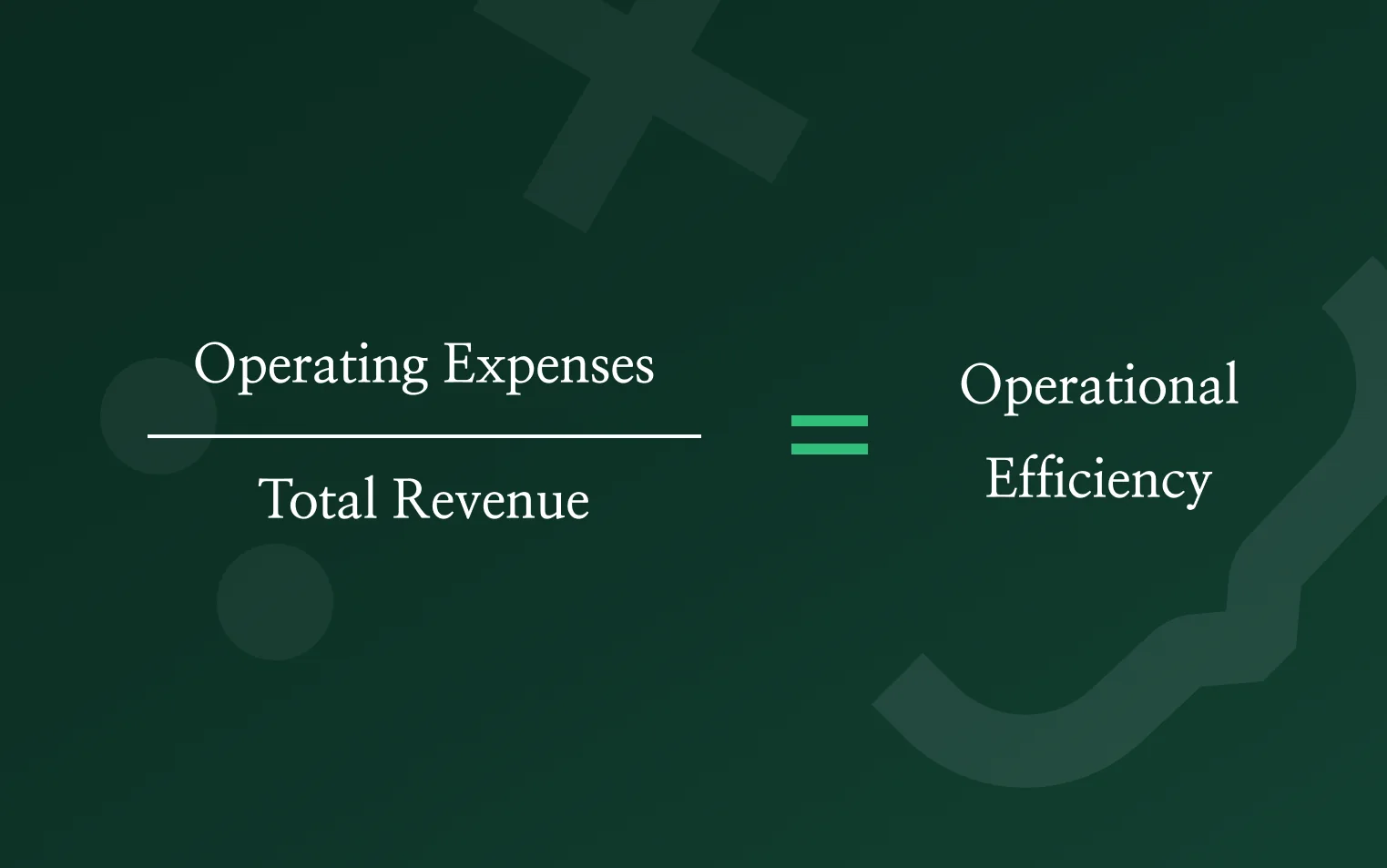
Operational Efficiency for Startups
7. Agility and Adaptability
In the ever-changing landscape of a recession, agility and adaptability are paramount. Zoom's rapid adaptation to the surge in demand during the COVID-19 pandemic is evidence of the importance of pivoting quickly and responding to market needs. Stay flexible, explore new opportunities, and adjust your strategies to stay ahead of the curve.
8. Patience and Perseverance
Gaining traction during a recession may take longer, requiring patience and perseverance. Educate your audience, nurture relationships, and be prepared for a more critical market. Focus on the long-term vision, and, as Steve Jobs wisely noted, understand that perseverance is a key factor that separates successful entrepreneurs from others.
Conclusion
As you embark on steering your digital startup through the challenges of a recession, remember that adaptability and strategic innovation are your greatest allies. Making remote work a cornerstone of your operational strategy can weather the storm and propel your startup to new heights.

Product Design Consultancy at Olively
Please feel free to reach out if you need more guidance on working in the challenges of remote work and recession-proofing your digital startup. I work with teams on decisions like this one.
For additional insights and real-time updates, follow me here and connect on my personal LinkedIn page. Our commitment is to enable your startup with innovative solutions, ensuring sustained growth despite economic uncertainties. Your success is our priority, and we look forward to contributing to the resilience and prosperity of your digital venture.
If you're weighing a decision like this on a live product, here's how I work with teams.
Common questions
Does remote work save money for a startup?
Distributed teams cost less and break differently. The saving is real; the failure modes move from office overhead to coordination, and those cost time rather than rent.
What holds a distributed team together when budgets tighten?
Written decisions, explicit ownership, and fewer things in flight. Practices that were nice when the team was co-located become load-bearing when it is not.