How to Build a Fintech MVP
What belongs in version one when compliance starts on day one.
This guide aims to provide business leaders with valuable insights into building a Fintech MVP, emphasizing the critical role of User Experience (UX) and Product Design in achieving success.
The Fintech Boom in the Middle of Uncertainty
Fintech products have demonstrated resilience and popularity despite economic uncertainty and market fluctuations. The global pandemic catalyzed fintech startups, driving innovation to meet the changing needs of consumers and businesses. For instance, mobile payment and digital banking apps experienced a surge in usage as contactless transactions and remote banking services became the norm.
The Foundations: Planning and Research
Building a successful Fintech MVP starts with careful planning and in-depth market research. Defining the problem your MVP solves is the cornerstone. This involves clarifying the overall goals, identifying the target audience, and understanding the competitive landscape. Conducting thorough market research becomes key, helping you explore potential alternatives and ensuring your product aligns with market demands.
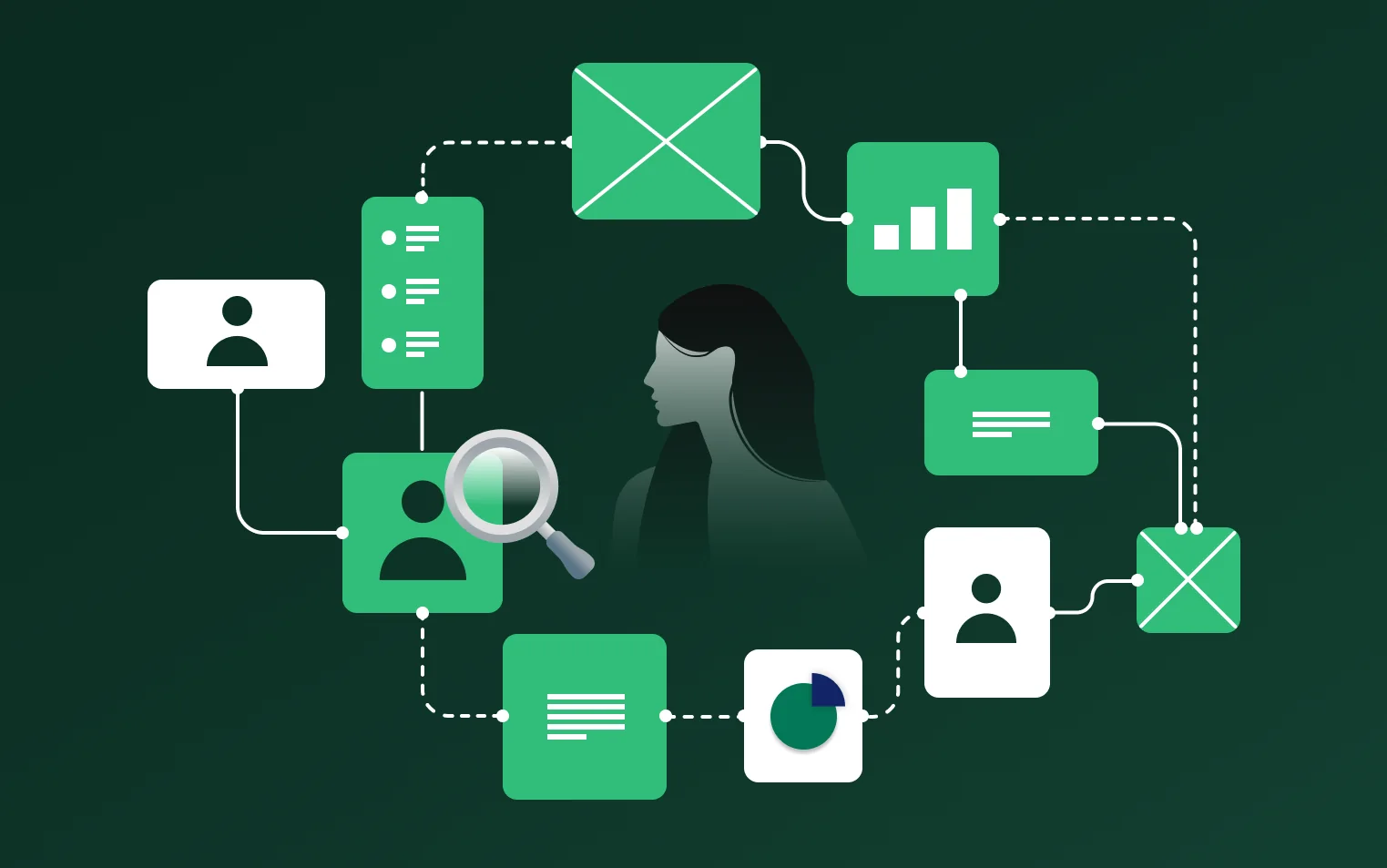
Planning and Research a Fintech MVP. Original image: Toptal.com
Importance of User Experience and Product Design
In the fintech field, where user trust is paramount, the significance of User Experience (UX) and Product Design cannot be overstated. A smooth and intuitive interface not only attracts users but also enhances the credibility of your product. As an aspiring fintech founder, securing the expertise of an experienced product designer is instrumental.
Why User Experience Matters
User experience goes beyond aesthetics; it defines how users interact with and perceive your product. A well-designed MVP satisfies users' immediate needs and establishes a foundation for future growth.
The Key Role of Product Design
Product design involves crafting a user-centric solution that addresses the identified problem and does so with elegance and efficiency. It's about creating an interface that aligns with user expectations, fostering trust and loyalty.

Finding the Right Product Designer — Fintech MVP. Original image: Toptal.com
Selecting the Right Tech Stack and Development Team
Choosing the right technology stack is a pivotal decision impacting your product's performance and scalability. The fintech industry demands robust, secure, and scalable solutions. Collaborating with an experienced development team, preferably with expertise in fintech, ensures the successful execution of your MVP.
Finding the Ideal Development Team
Selecting a development team is more than technical skills and finding a partner who understands the fintech landscape. Consider outsourcing or partnering with a software house experienced in building fintech products. Evaluate their case studies, references, and methodologies.
The Tech Stack Dilemma
Fintech products require careful consideration of technology. Cloud hosting, blockchain integration, and mobile development platforms like React Native should align with the specific needs of your product. Trusting an experienced IT partner can streamline this decision-making process.
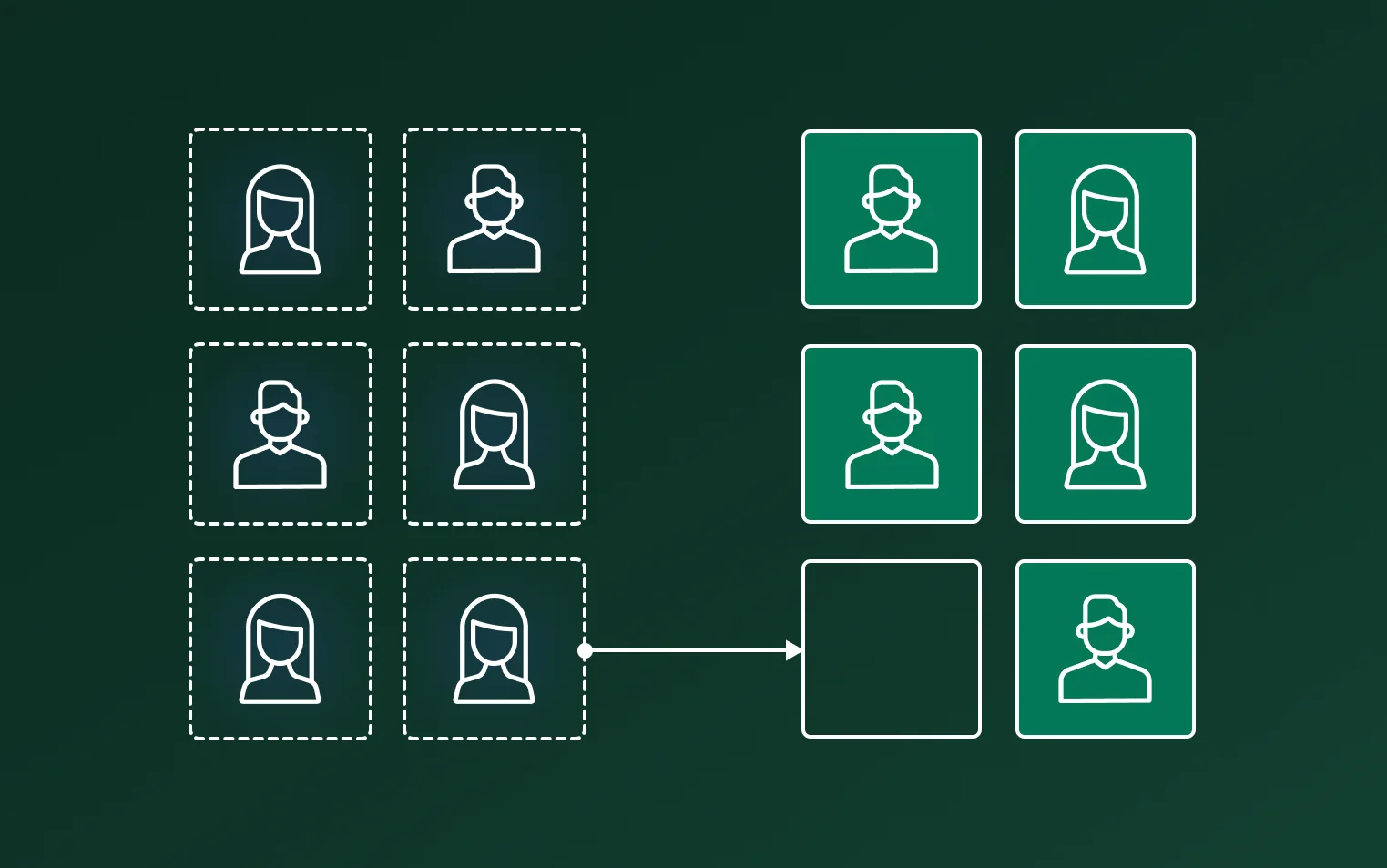
Hiring Developers to Create a Fintech MVP. Original image: Toptal.com
The Launch Strategy: Building Hype, Attracting Early Adopters, and User Communities
Launching your Fintech MVP is a strategic endeavor. Building hype involves creating anticipation through a well-crafted landing page, social media engagement, and targeted marketing efforts. Attracting early adopters, often tech-savvy individuals willing to experiment, is vital for testing and refining your product. Establishing a user community fosters engagement, feedback, and loyalty.
Connecting with an Expert: Your Guide to Fintech Product Design
Amidst the army of decisions involved in building a Fintech MVP, the role of an experienced product designer becomes paramount. Finding a partner with a track record in designing successful fintech products can make a significant difference.
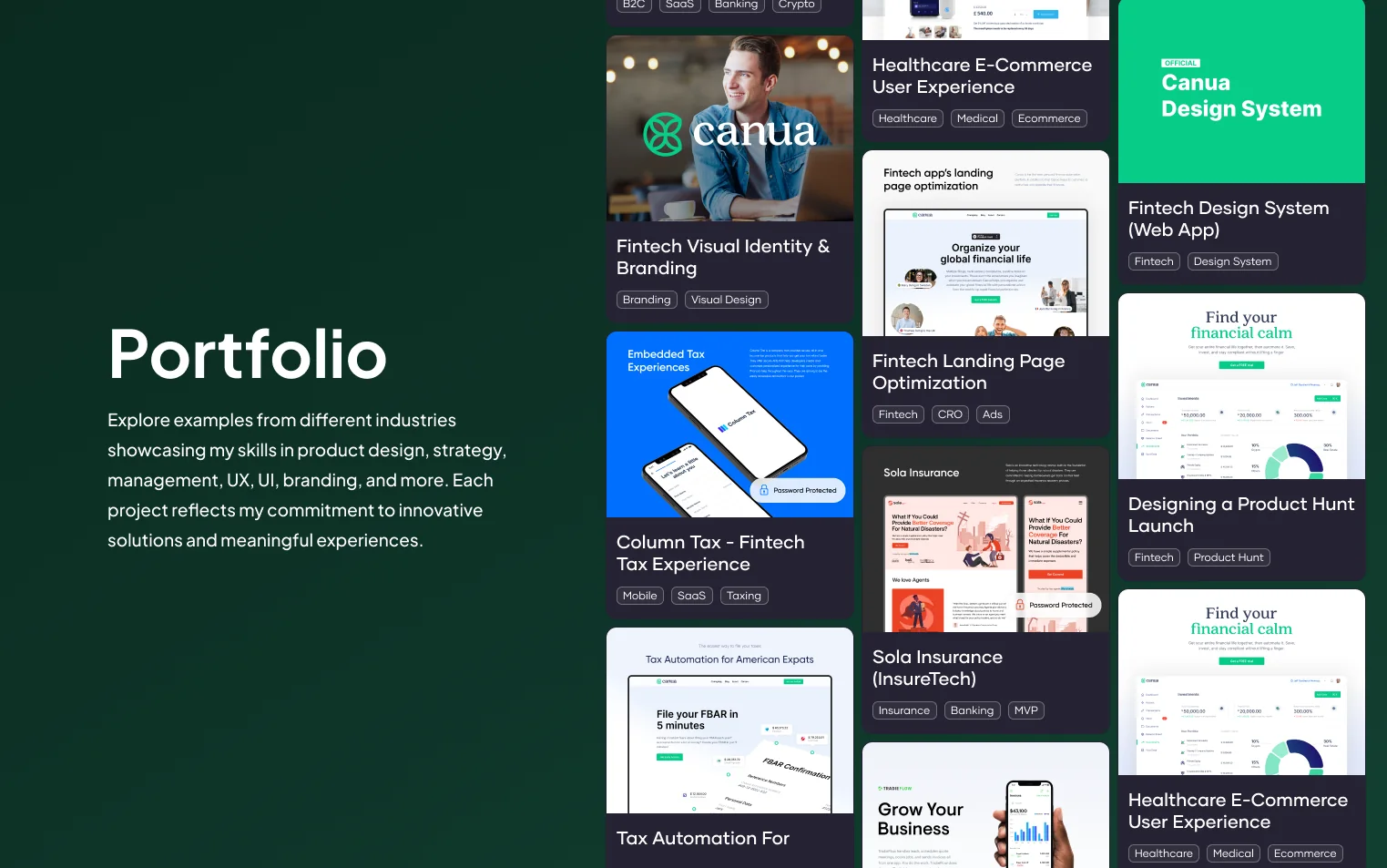
Fintech Examples from My Own Portfolio — Olively.io
Why Choose Olively/Fanni Csincsak for Your Fintech MVP Design
As an accomplished product designer with over 9+ years of experience, I have crafted user-centric solutions for fintech ventures. Explore my Work page to witness the fintech products and 0–1 MVPs I've contributed. Hiring a seasoned product designer ensures that your MVP not only solves the problem but does so with a focus on user satisfaction and industry best practices.
Conclusion: Your Path to Fintech Success
In conclusion, building a Fintech MVP is a multifaceted path that demands careful planning, strategic decision-making, and an unwavering focus on user experience. As a founder, recognizing the importance of UX and product design and connecting with a seasoned product designer can set the stage for the success of your fintech venture. The ever-growing fintech industry presents ample opportunities, and with the proper guidance, your MVP can be the key to opening up them.
Product Design Services at Olively
Your Path Starts Here: Enhance Your Fintech Venture with Olively
Feel free to contact me if you need more guidance on refining your Fintech MVP. I work with teams on decisions like this one.
For more insights and updates, follow me here and on my personal LinkedIn page.
Adding AI to a fintech MVP
AI in financial services carries the same compliance load as everything else, plus a few problems of its own.
Explainability isn't optional. If a model influences a lending, pricing or fraud decision, you will be asked why it produced a given answer — by a customer, an auditor, or a regulator. "The model decided" is not an answer. Design the explanation path at the same time as the feature, not after someone asks.
The EU AI Act classifies by use, not technology. Creditworthiness assessment sits in the high-risk category, which brings documentation, human oversight and record-keeping obligations. Fraud detection often doesn't. Two features built with the same model can land in completely different regulatory brackets, so the classification work belongs in scoping.
Decide what a wrong answer costs before you ship. A false positive on fraud is an annoyed customer; a false negative is a loss. Both are acceptable at some rate and unacceptable above it, and that rate is a business decision, not a technical one.
The common failure here isn't a bad model. It's shipping a good model into a workflow that has no review step, no audit trail and no named owner — and then discovering all three are required.
If you're weighing a decision like this on a live product, here's the AI Reality Check.
Common questions
What belongs in a fintech MVP?
The smallest thing that completes one financial job end to end, with the compliance and security work that job requires. Fintech is one of the few domains where the regulatory surface cannot be deferred to version two.
Can you skip compliance in a fintech MVP?
No. Security and trust obligations attach from the first real transaction, and retrofitting them means rebuilding the parts they touch. It is cheaper to scope a narrower product that is compliant than a wider one that is not.
How long should a fintech MVP take?
Long enough to get one flow right and no longer. The question that shortens it is which of the planned features exist because a user needs them rather than because a competitor has them.
Acquiring 24,000 users for a fintech lifestyle app — a fintech brief redirected before the build, on the same timeline.